

Blog / Driving Safety

Blog

All Driving Safety New Toyota Cars Kingsport Toyota Dealer Around Town Activities and Excursions Kingsport Toyota Service Car Maintenance Car Tips SUVs Toyota Trucks Car Features Tennessee Toyota of Kingsport Service About Toyota Car Buying Tips Toyota of Kingsport Toyota Performance Vehicles Hybrid Vehicles Fun Facts Kingsport Used Cars Toyota Tundra Travel Destinations Used Toyota Cars Car Warranty Information Fuel Efficient Toyota All-Wheel Drive Vehicles Electrified Vehicles Toyota History Toyota RAV4 Toyota Tacoma

Protecting Your Toyota with an Extended Warranty

There's no better way to protect your Toyota than with an extended warranty, and the Toyota extended warranty options are some of the best in the business. With three plans to choose from, the only question is which one is right for you. Protecting Your Toyota with an Extended Warranty Powertrain Protection The first level of protection is this plan. It kicks in once the warranty expires, and it covers the engine, transmission, axle assembly, and a number of other eligible components. There's flexibility in the coverage terms; you can choose for up to six years or 100,000 total miles. When you get covered, you get immediate access to our nationwide service network so that all covered repairs or maintenance are done by factory-trained technicians who know your Toyota inside and out. Plus, the plan comes with 24/7 roadside assistance and even reimbursement for covered vehicle rentals, lodging, and meals if you get stuck. more Gold Protection If you want a bit more, the Gold extended warranty covers everything that the Powertrain warranty covers, plus a number of other parts that aren't covered. For example, the Gold protection plan starts covering a whole lot of the air-conditioning, such as the blower motor, the compressor, and the condenser fan and motor. You also now get coverage for a lot of the brake parts, including the master cylinder and the seals and gaskets. You can choose between a range of coverage lengths from three years and 50,000 miles up to 8 years and 125,000 miles. You get all the same other perks that come with the powertrain plan, including the roadside assistance and reimbursements. Platinum Protection If you want the highest level of protection, this is the plan for you. It covers everything that the previous two plans offer, but it offers coverage for even more parts of the vehicle. You get complete coverage of the electrical parts, for example, many of which are not covered even in the Gold plan. This includes even little things, like the turn signal flasher and the windshield wiper control relay. This plan, too, is available with flexible terms from three years and 50,000 miles up to 10 years and 125,000 miles. It also comes with all the perks for roadside assistance coverage and compensation for rental vehicles, etc. Other Perks There's some other perks to these plans, and one of the most important is that you can transfer your extended warranty, at no cost, one time to a second buyer. You can also choose from several deductible options to get what's right for you, and if you change your mind, you can cancel within 30 days for a full refund. To learn more about the warranties offered by Toyota, contact us at Toyota of Kingsport, TN today.

new driver

Your First Toyota: 6 Tips for New Drivers

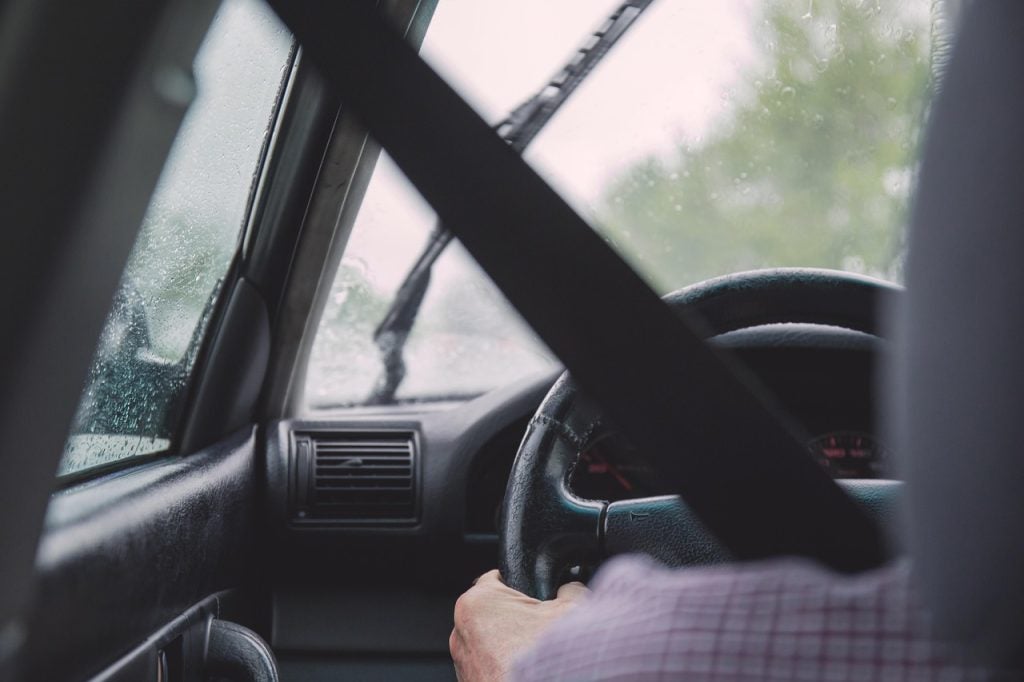
There are few things more exciting than driving for the first time. As your Toyota dealer, we want to make sure you love every aspect of the experience, from the quality car you drive to the way you gain skills and confidence. Here's a few tips for new drivers that can help everything to go smoothly. Understand Your Vehicle Before hitting the road, familiarize yourself with your car's features and controls. Read the owner's manual to understand how the various systems work, such as the brakes, accelerator, lights, wipers, and emergency signals. Take some time while you're sitting with the car in park to find where everything is and how it operates. Don't assume that all cars are the same! more Master Basic Maintenance Basic car maintenance knowledge is essential for every new driver. Learn how to check the oil level, tire pressure, coolant level, and brake fluid. Make sure you can fill a tire with air, too. Develop Situational Awareness Always be aware of your surroundings, including other vehicles, pedestrians, and potential hazards. Keep a safe distance from the car in front of you and regularly check your mirrors. Be particularly cautious at intersections, in bad weather, and during night driving. If you proactively do this when you first start out, the habits will become second nature. Practice Defensive Driving Defensive driving means anticipating potential dangers and reacting calmly and safely. Always assume that other drivers will make a mistake, and be prepared to react. For example, if you're first at the traffic light, don't zoom off the instant it turns green. Assume that someone going the other way will be late trying to beat the yellow light on their side, and make sure the way is completely clear before you move. Manage Speed and Following Distance Obey speed limits and adjust your speed according to road conditions: when it's dark, rainy, or snowing, the speed limit is often not actually a safe speed. Don't worry about what the drivers behind you are doing, either. Just because a person has been driving longer than you doesn't mean they are driving smarter. Maintain a safe following distance from the vehicle ahead – a good rule of thumb is the three-second rule, which gives you ample time to react in case of sudden stops. Learn to Handle Emergencies Prepare yourself for emergencies by learning and practicing basic maneuvers. As an example, if it's snowing, and you have access to a large, empty parking lot, consider driving there carefully and practicing quick stops, starts, and turns in the empty space. This will give you an idea of how the car will react. The longer you drive, the more intuitive it will become. If you need a quality car to match your growing skills, come to Toyota of Kingsville today!

2021 Toyota RAV4 in Kingsport, TN - Toyota of Kingsport

Drive More Confidently With Toyota Safety Sense 2.5 Plus

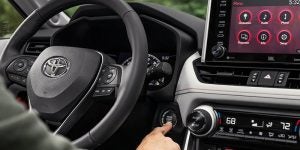
For generations, drivers have depended on Toyota to deliver safe and reliable vehicles. Toyota continues to do so with its Toyota Safety Sense 2.5 Plus (TSS 2.5+) suite of intelligent safety features. The suite includes all-new safety technologies along with some familiar favorites. Let's explore how the Safety Sense 2.5 Plus suite allows you to drive more confidently. more Pre-Collision System With Pedestrian Detection Like previous versions of the Toyota Safety Sense suite, TSS 2.5+ features a pre-collision system with pedestrian detection. In the TSS 2.5+ suite, this feature is enhanced to not only prevent collisions with the vehicle in front of you, but to also help prevent and mitigate collisions when you're making a left-hand turn. The system detects vehicles, pedestrians, and bicyclists, even in poorly lit environments. The system automatically applies the brakes and also helps you make emergency steering maneuvers. Full-Speed Dynamic Radar Cruise Control The dynamic radar cruise control is another feature carried over from previous Safety Sense suites. In the TSS 2.5+ suite, the feature can activate at speeds over 30 miles per hour and control the distance between your Toyota and the vehicle in front of you down to 0 mph. If your Toyota has to come to a complete stop, the cruise control is capable of resuming once traffic picks back up. New to the feature is a technology that assists you with passing slower vehicles. If the vehicle in front of you is traveling slower than your preferred cruising speed, all you have to do is engage your turn signal, and the cruise control will accelerate enough to let you safely pass. Lane Departure Alert and Lane Tracing Assist Another favorite feature is the lane departure alert with lane tracing assist. If your Toyota starts to leave its lane and your turn signal isn't engaged, the feature will apply corrective steering. The system can also detect road edges and warn you when it's time to pull over if you've drifted too many times. Blind-Spot Monitoring With Rear Cross-Traffic Alert Toyota fans will be happy to know that blind-spot monitoring is still included in the newest version of Safety Sense. This feature can detect vehicles when they enter your blind spots, issuing both a visual and an audible warning. The system also monitors traffic when you're driving in reverse, so you know when a vehicle or pedestrian is about to cross your path. Road Sign Assist Using a forward-facing intelligent camera, the road sign assist system can read speed limit signs, stop signs, and other traffic signs. The system displays them on a multi-information display. With this innovative feature, the road ahead holds fewer unpleasant surprises. Automatic High Beams The TSS 2.5+ suite's automatic high beams can detect the headlights and taillights of other vehicles and adjust your Toyota's headlights accordingly. When no other vehicles are nearby, the headlights will give you more light when you need it. You'll enjoy not having to constantly fuss with your high beam settings. As you can see, the Toyota Safety Sense 2.5 Plus suite offers plenty of features to keep you safe and secure. Test drive a Toyota today and experience the system for yourself. Image via DealerOn

Traffic Apps in Kingsport, TN

Three Apps To Help with Traffic in Kingsport, Tennessee

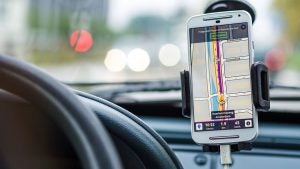
Traffic can not only be a nuisance, but it can make you miss out on certain events or make you late to appointments that you need to be on time for. Even simple accidents can cause a significant delay, and during construction season, those delays can even be worse. To avoid the complications that traffic can cause and help keep yourself on time, check out the three traffic apps below. Google Maps Probably one of the best-known maps and navigation systems for drivers is Google Maps. Google Maps helps you map your route and lets you choose the best course to take based on travel time and mileage. The app also takes into account the time of day and average traffic to provide you with an accurate estimate of how long it will take to get to your destination. Additionally, when the route is mapped, the app will also indicate areas where there are traffic delays, what is causing them, and how much time it will take to get through them. The great thing about Google Maps is it is most likely already on your smart device. more Waze Another popular traffic app is Waze, which takes traffic monitoring into a new direction. It works by monitoring the time and travel speed of drivers taking the particular route and sharing that information with other Waze users who may be planning to travel that route and want an up-to-date traffic report. Waze utilizes user interaction to help create the most up-to-date reporting on things like road kill, construction, traffic accidents, and even the presence of police officers. The app gathers its data from users by assigning points that can be earned for each of the users which can be redeemed at a later time. The app also integrates with your calendars to help you plan routes for appointments you can anticipate in advance. Beat the Traffic The Beat the Traffic app is free for both iOS and Android users and provides drivers with detailed traffic reports letting them know what they will encounter along certain routes as well as how long traffic delays will be. The interface is extremely user-friendly and will allow you to log and save your favorite traveled routes. It also provides you a detailed account of events and incidents that will affect travel such as where construction areas are located, how much traffic is expected, and how long of a delay you can expect. On the app, you can also view traffic cameras, avoid tolls along the way, and receive notifications about traffic problems along with your route. One of the unique aspects of the Beat the Traffic app is that it will factor weather into the time delays and route times to give you the most accurate arrival times. Help get the best of traffic by using one or more of the three apps above to avoid traffic delays along your trip and help get you where you are going and get there on time. Image by Dariusz Sankowski from Pixabay

blog 20

4 All-Wheel-Drive Toyotas That Can Stand Up to Winter

Toyota Sienna The Toyota Sienna offers drivers peace of mind. The Sienna is the only minivan in its class with an AWD system. In addition to the smooth and safe drive, you will also enjoy the Safety Connect system. You won't have to worry about getting stuck in the cold snow because this safety feature connects drivers to a 24/7 response system. The response system offers emergency and roadside assistance, automatic collision notification, and even a stolen vehicle locator. You can gain assurance, knowing the 2017 Toyota Sienna received the NHTSA 5-Star Overall Safety Rating. more Toyota Highlander The Toyota Safety Sense (TSS-P) of the Highlander will make you feel even safer in winter driving conditions. The Highlander comes standard with a Pre-Collision System, Pedestrian Detection, Lane Departure Alert, and Steering Assist Setting. In addition to the AWD, drivers can also be confident about their drive with the advanced Star Safety System. The Highlander features enhanced stability control, traction control, an anti-lock brake system, electronic brake distribution, a brake assist, and a smart stop technology feature. With more safety than ever, the advanced airbag system comes with front seat-mounted airbags, driver knee airbags, and roll sensing airbags for all rows. RAV4 The Toyota RAV4 is the newest model in the RAV line. With a completely innovated all-wheel drive system and torque control, you will find winter weather driving easier, thanks to optimal traction. The sport-tuned suspension system will improve your drive, even on the toughest of road conditions. With automated paddle shifters, you can feel comfortable with the safety features while also adding a little excitement to the drive. The blind spot monitor feature and rear cross-traffic alerts will help you with parking and reversing when your windows are frozen with ice. If you experience problems, this vehicle is covered under the Toyota Care program, which offers 24-hour roadside assistance. RAV4 HYBRID Whoever said you had to choose between economically efficient and winter safe? The unique RAV4 HYBRID design gives you the same advantages of the safe drive of a RAV4, but with advanced hybrid features. This vehicle boasts an exciting 194 net horsepower but is also equipped with AWD-I. This on-demand all-wheel-drive system with intelligence is specifically designed for added torque that gives you better traction and an electric motor that will make you feel safer on your drive. Drivers will also enjoy the dynamic radar cruise control. The vehicle keeps pace with your preset cruise speed but adjusts to the distance of nearby vehicles. A pre-collision warning system will also help when navigating those icy roads. Make sure you're ready for winter driving with any of these AWD vehicles. Schedule your test drive to see which one best fits your driving needs. Image Via Pixabay

blog 22

Four Child Safety Tips While Driving in Kingsport, TN

1. Put Down Your Phone Each year, accidents caused by distracted driving injure nearly 400,000 people. Texting and taking calls while driving are some of the top distractions. One of the easiest ways to ensure your child's safety is to simply ignore your phone when you're behind the wheel. If you can't resist the urge to immediately respond to the sound of a text or a call coming in, put your phone in airplane mode or tuck it out of reach. Pull over in a safe place or install a hands-free system in your vehicle if you simply have to take calls while you're on the road. more 2. Keep Your Eyes on the Road While cell phones are some of the most common distractions, there are others to consider as well. Avoid eating or drinking while you drive. Whether you're taking a sip from a cup of coffee or opening a bag of trail mix, it takes your eyes and your attention off the road. Unhappy children are another common distraction. No matter how fussy your children are being, what they've dropped on the floor, or how loud they're screaming, taking your eyes off the road for even a second can cause an accident. Pull over if you need to tend to your children, and attach their toys to their car seats using plastic links to make sure they always stay within reach. 3. Install a Car Seat Properly A car seat is an absolute must for little ones. However, an astounding 73 percent of car seats are improperly installed. Be sure to carefully follow the instructions that come with your car seat or find a technician who can help you properly install your child's car seat for you. Remember, your children must stay in a car seat until they reach a certain height and weight, and they should ride only in the backseat until they are at least 12 years old. 4. Secure Yourself You've heard it a million times before — seat belts save lives. In fact, they save as many as 15,000 lives each year according to the National Highway Traffic Safety Administration (NHTSA). Seat belts help keep you from being thrown out of a vehicle, they spread out the force of a crash, and they prevent you from hitting your head on the steering wheel or dashboard. In addition to making sure you and your child are properly buckled in place, be sure to strap down any items that are lying around inside the vehicle. They could become projectiles if you suddenly slam on the brakes, causing injury to you and your loved ones. Use car anchors to hold down loose objects. Always keep these four child safety tips for the car in mind when you're out for a ride with your family. They could help save a life. Image Via Pixabay

5 Important Safety Tips for Your Offroad Adventures

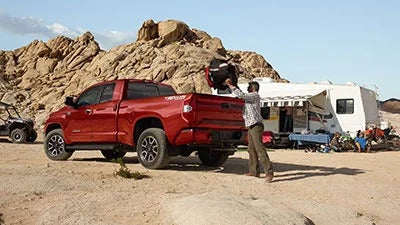
Off-road exploration is a favorite activity for adventurers all over the world, but it is not for the faint of heart. Bringing your 4x4 vehicle along seems like a no brainer when the alternatives involve carrying heavy, cumbersome equipment for miles versus bringing a donkey or horse to do the job. However, you can't just head off-road because your truck or SUV has off-road capabilities. This is a serious sport, and like all sports it takes skill and the correct equipment to get the job done right. Read on to learn essential safety tips for your excursion. Prepare With Proper Equipment Never take a vehicle off-road that is not built to handle the terrain. A properly equipped, all wheel drive, off-road ready vehicle is a must. You will also need a "rescue and recovery" kit. Below are eight items every off-road expert brings along for the ride: High-Quality Nylon Tow Strap A Bow Saw Gloves A First-Aid Kit A Hatchet Come-Along Paper Map A Chain Leave your kit in your car. Part of the fun of owning a 4x4 vehicle is being able to save the day when a fellow motorist needs a hand. more Bring a 4x4 Friend Using the buddy system is a necessity when traveling outside the reach of regular emergency response vehicles. If one of you becomes stuck the other can help out. Likewise, if an accident leaves your vehicle inoperable, having another 4x4 vehicle there can decide the outcome of a life or death situation. Plan to Stay Bring along enough supplies to stay overnight. Nightfall can creep up on you, and at times there is no option but to stay. Always prepare by packing extra food and, more importantly, water. Plus, whenever you get where you are going, you might decide you are not ready to leave, so it is a good idea to come prepared. Walk Before You Crawl If you question your ability to take on an obstacle, get out and walk the path. If you can't make it by foot, even a well-equipped vehicle probably will not make it. When you find you are able to go ahead, crawl. If you "need speed" you likely will not make it. Keep Body Parts in Always It is imperative that you and your passengers keep body parts in the vehicle. Losing a limb is the last thing you need when you have to navigate difficult terrain to seek medical attention. When an off-road vehicle threatens to tip or tumble, people have been known to instinctively put their arm out to prevent a rollover. With the proper equipment and a buddy there, you can recover your vehicle; body parts are another story. If you are an off-road expert, you know how important safety is when you are taking a less traveled route into the wilderness. Everyone planning to pioneer a new path needs to become very familiar with these important off-road safety tips. It is equally important to educate passengers. So, be sure to share these tips with your off-road adventure companions.

blog 30

Tips for Safely Sharing the Road With Oversized Vehicles

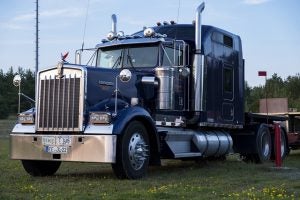
Almost every driver fears sharing the road with oversized vehicles like semi-trucks. These imposing vehicles seem to take over the road and make people worry that a major wreck is imminent. Although these feelings are understandable, sharing the road with oversized vehicles isn't as difficult as you might think, particularly if you have the right tips at your disposal. Discover a few tips for sharing the road with oversized vehicles so that you can stay calm and safe the next time you're behind the wheel. Watch the Blind Spots Every vehicle has a blind spot, but many people are unaware that large trucks, particularly semi-trucks, have multiple blind spots, some of which are many feet in length. Staying out of these blind spots will help the truck driver to see you and allow you to stay safe. Large semi-trucks have four blind spots that you need to avoid. The first is directly in front of the truck. The second is the entire length of the passenger side of the truck. The third is right behind the truck. The final, blind spot is beside the driver's door. Being aware of these multiple blind spots will help you more easily share the road with trucks while protecting your safety. more Passing One of the most common causes of wrecks on the highway is passing another vehicle incorrectly. This is especially true when it comes to oversized vehicles. Following proper passing procedure is one of the best ways to share the road with very large vehicles. By law, most trucks are prohibited from passing cars in the left-hand lane, also called the fast lane. If you're in the right-hand lane—the slow lane—and notice a truck behind you, do them the courtesy of shifting to the fast lane so that they can pass. If you need to pass a large vehicle, it's important that you do so in the right way. If possible, only use overtaking lanes. You should also use proper signals and pass them as quickly as possible while still obeying the speed limit. If there are strong wind conditions or a sharp curve is ahead, you should refrain from passing the oversized vehicle. Tailgating Tailgating can be a major problem with even small vehicles, and the risks only increase with an oversized vehicle. If you are tailgating a large vehicle and they slam on their brakes, you will likely experience a major, life threatening accident. If you're behind an oversized vehicle on the road, make sure that you're following at a safe distance. Give yourself enough room to safely stop if the large vehicle applies its brakes suddenly and you'll be able to stay safe. Turning Oversized vehicles require a large turning radius, particularly if they are hauling a trailer. Often, the trailer will cover two lanes of traffic while turning, and if you're not paying attention, it's possible to cause a collision. When sharing the road with an oversized vehicle, make sure that you're watching for their turns so that you can give the large vehicle the space they need. Stick to these simple rules and you'll easily be able to safely share the road with oversized vehicles. Image Via Pixabay

Carpool Apps in Kingsport, TN

4 Great Carpooling Apps

Whether you're running the local carpool or you need to find a more efficient way to work, there are so many great apps out there to help. These apps can help you get organized, find a good carpool, or ensure that everyone is doing their part for the carpool. Carpool Kids If you're helping run a carpool that has several drivers, Carpool Kids can help you get organized. While this app was originally created for families who need to get their kids to school or activities, it can also be used for adults who need to get to and from work. The app allows you to schedule carpools, sync with your calendar, and even contact others in your carpool straight from the app. While this is an iOS app, it's also available through a web browser, making it a great option for anyone in need of a great carpool app. more KarPooler One of the best things about KarPooler is that you can keep in contact with others in the carpool. For example, if you're stuck in traffic you can easily keep in contact with the other adults in the carpool. This app helps not only with your everyday carpool scheduling; it also helps with emergencies that inevitably arise. If you're running a carpool for children, there is also the option to use the DropCheck feature, which lets parents know that their children have been dropped off. Another benefit of the app is that you can created unlimited carpool lists, making it easy to keep track of what you're doing. KarPooler is a free iOS app. ZimRide Have you ever been in need of a carpool but didn't even know where to start? ZimRide allows you to enable connections through social media networks to help people find carpool options. You can list your own drive or find others who are looking for riders. When you create your profile, you can even include information such as your musical tastes, allowing you to find a carpool you'll connect with well. You can even pay for your ride through the app, making it a simple option. Carma Carpooling When you need to find a carpool, check out Carma Carpooling. This app helps you connect with either riders or drivers to get where you need to go. Unlike many apps out there, it is not considered a ridesharing app. Instead, it is specifically a carpooling app. Riders pay a standard $0.20 per mile, which helps drivers off-set their cost. While the app is available anywhere in the world, it's most likely to find you matches in large cities. This app is free to use on either Android or iOS, making it a great option for drivers and riders anywhere. Make your commute a little easier with any of the great carpooling apps out there. These apps allow you to get where you need to go, set up your carpools, and stay organized. Whether you're trying to reduce your carbon footprint or get the kids to school, carpooling apps are becoming a popular way to connect. Image via Pixabay

Why Cracked Windshields are Dangerous in Kingsport, TN

Is Driving With a Cracked Windshield Dangerous?

Driving with a cracked windshield frequently seems more inconvenient and frustrating than dangerous. However, in some situations, a cracked windshield is dangerous and should be taken care of immediately. Whether you're dealing with a small crack or a large one, consider your options carefully. Size One of the most important things you need to consider when deciding whether or not to get the crack fixed or the windshield replaced is the size of the crack. A small crack or chip isn't generally going to impair your driving. However, if the crack is large or starting to grow, you'll want to get it fixed or have the windshield completely replaced by a professional. Many states even have laws against driving with windshield cracks that are too large. more In some cases, you may be able to fix the crack yourself with repair options from an auto parts store. Usually, you can do this if the crack is smaller than a quarter. It's a good idea to get the crack or chip professionally looked at to ensure that it's fixed properly. If you're dealing with less than 12 inches of damage, it generally is repairable. A crack larger than this usually means that you need to replace the windshield. Position It's also important to keep in mind the position of the crack or chip. If it's directly within your line of sight, it's crucial to get the windshield repaired. Having a crack in your line of vision may just seem like an annoyance, but in certain situations it can actually impede your view. On top of this, if the crack is in the driver's line of sight, it's illegal to drive with the windshield like this. If you can see clearly out of the window without the damage interfering, remember that it's still a good idea to fix the crack as soon as possible. Otherwise, it may grow and quickly become a larger issue. Structural Integrity Even a small chip can cause damage to the structural integrity of the windshield. This means that the windshield is not going to do its job properly if you're in an accident. In fact, in some cases, a crack or chip can cause the entire windshield to shatter if there is even a small amount of damage to the car. To ensure the structural integrity of the windshield, it's important to get the damage checked and fixed as soon as possible. In some cases, depending on the location of the crack and the size of the damage, you may need to completely replace the glass. While this can be an expensive fix, it's an important one. A windshield with good structural integrity keeps you safe. If you notice that there's a crack in your windshield, make sure to take care of the problem quickly. Small cracks can turn into large ones quickly. Even small actions such as shutting the doors too hard can cause the crack to grow. This leads to a more expensive fix and the possibility of driving with illegal damage to the vehicle. Image via Pixabay

Recently repaired driver's side tail light

How to Replace a Broken Tail Light Yourself

A broken tail light may seem like something you should let a professional handle — especially on newer models, whose designs make the screws a bit harder to find. However, replacing a broken tail light is something you can easily do yourself. Here's how: Before You Start First, of course, you will need to purchase the replacement lens. In terms of actual tools, what you need is minimal. Just have a socket wrench, screwdriver, and crowbar on hand. All of these are good things to keep in your car anyway since they will come in handy in a variety of emergency situations. The ideal location for this repair would be your home garage, but that may not always be possible. If you are changing the tail light during a trip, try to find a covered spot away from moving cars. Otherwise, rain may force you to stop in the middle of the repair — and you don't want that. Make sure to employ the emergency brake if you park on an incline, and use road flares and reflective cones at night. Finally, remember to be firm but gentle during the removal and installation process. Force will be required, but too much can lead to broken pieces and ripped wires. more Step-By-Step Turn off the vehicle. This will eliminate the possibility of electric shock. Remove the fasteners. In older vehicles, you may find the screws on the outside of the vehicle. To achieve a seamless look, newer models typically place the screws somewhere less visible, such as in the trunk area. Depending on the type of fastener, you will either need a wrench or a screwdriver for this step. Twist out the bulb socket. This only requires a quarter turn counterclockwise and should release the tail light assembly. Separate the tail light assembly from the vehicle. This may require a good bit of force; you may need to use both hands or even a crowbar on some models. Remove the old lens. There will probably be a few screws or thumb nuts holding it in place. Insert the new lens. Remember to secure it in place with whatever fasteners held the old lens. Reinstall the tail light assembly. Twist the bulb socket clockwise until it locks into place and secure the tail light assembly with any screws or fasteners you removed earlier. Once you're finished, be sure to test the tail light to make sure it is working properly before you get back on the road. Video Tutorials If you're a visual learner, you may prefer to watch a video tutorial before attempting this yourself. In that case, it's best to key your search to the specific model you own. For instance, you can find a video tutorial for replacing the tail light lens on a 2013 Toyota Camry on YouTube. Other users have posted similar videos for their own vehicles. Next time you need to replace a broken tail light, skip the expensive visit to a mechanic. Instead, follow the steps above to complete this repair yourself. Image via Pixabay

6 Things That Should Always Be in the Trunk of Your Toyota

While Toyotas are known for their reliable performance and safety features, it is still important to have a few key items handy in your car at all times in case of an emergency. In the event of a flat tire, accident, or inclement weather, be prepared by keeping these six things in the trunk of your Toyota. Jumper Cables A pair of jumper cables is one of the most important items to have in the trunk of your Toyota. A weak or dead battery can leave you stranded along the side of the road or in a parking lot because your vehicle won't start. With some assistance from a good Samaritan, connecting the jumper cables adds power to your battery and helps you restart your car. Then, you can get back on the road and likely head to an auto repair shop to replace the battery. more First Aid Kit Having a first aid kit is also a must-have in your Toyota. Make sure to include the basics such as gauze pads, bandages, and aspirin, along with antiseptic ointment or wipes. These items may help in treating minor injuries in the event of an accident until help arrives. Also, a charged cell phone will enable you to dial 911, and one to three reflective triangles placed on the roadside can warn oncoming traffic of danger ahead. Flashlight You never know when you might get stranded in the dark, so you should have a flashlight with an extra set of batteries. If you need to change a tire or jump start a dead battery, the extra light helps. It is also a good idea to have a waterproof flashlight if you get stranded in the rain. Blankets or Extra Clothes It may be in the middle of winter, and your Toyota may experience a flat tire or run out of gas. Having a warm blanket or some extra clothes such as sweaters can help you keep warm until you get help. Gas Can It may also be a good idea to keep a gas can in the trunk of your Toyota. Then, you can try to get to the nearest gas station to fill up the can and transfer it to your car's gas tank. However, because gas is flammable, always keep the gas can empty in your trunk until you need it. Spare Tire If you know how to change a tire, then make sure the spare is stored in your trunk, along with a car jack and lug wrench. That way, if you get a flat, you can change it yourself rather than wait a long time for a tow truck. Additionally, consider carrying another component such as a mini air compressor to fill your tires before they go flat. Along with the essentials noted above, other items worth storing in your trunk include cloths for handling grease, specifically if you need to check or change the oil. Wrenches and screwdrivers can also be kept in your Toyota's trunk for minor repairs. Image by Stefan Schweihofer from Pixabay

Contact Us

Fill out this form below and we'll contact you shortly
*Required Fields