

Blog / Car Tips

Blog

All Car Tips New Toyota Cars Kingsport Toyota Dealer Around Town Activities and Excursions Kingsport Toyota Service Car Maintenance SUVs Driving Safety Toyota Trucks Car Features Tennessee Toyota of Kingsport Service About Toyota Car Buying Tips Toyota of Kingsport Toyota Performance Vehicles Hybrid Vehicles Fun Facts Kingsport Used Cars Toyota Tundra Travel Destinations Used Toyota Cars Car Warranty Information Fuel Efficient Toyota All-Wheel Drive Vehicles Electrified Vehicles Toyota History Toyota RAV4 Toyota Tacoma

Getting Preventative Maintenance Checks at Your Toyota Dealership

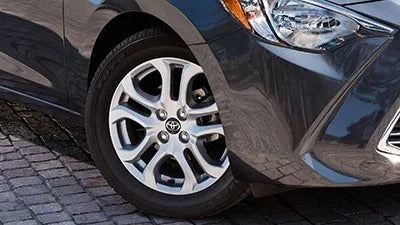
​​​​​​​​​​​​Your Toyota is designed to give you a comfortable, safe, and fuel-efficient driving experience. It's composed of numerous systems that work together to deliver the performance you deserve. These systems require servicing and maintenance to keep them working at their best. As your Toyota dealership, we want to give you some preventative maintenance tips. Protect the Paint It can be very easy to forget that your car's paint will get damaged over time if it's not protected. The paint is exposed to grit, dirt, mud, and water. While snow and ice are not usually a problem here in Kingsport, TN, the sun's UV rays can cause your paint job to turn dull over time. Fortunately, these problems can be prevented with very little effort. One of the best ways to protect your paint is to wash your car regularly. Washing removes grit and dust that can scratch the paint, and it makes your car look brighter already. Waxing is also an essential tool for your paint, as it adds a protective coating between your paint and the environment.  We advise waxing your car at least twice a year, at the end of spring and the end of fall. more Check Your Tires Tire condition affects your safety. If your tires are in good condition and have a healthy tread, they'll work efficiently. Good tread allows them to grip the surface, and this translates into faster braking. Good tires also reduce strain on the braking system, axles, and even your engine, and this can prevent many avoidable repairs. Regularly checking the condition of your tires will allow you to identify problems that can be quickly and easily fixed. If your tires show excessive wear, we can rotate them for you to reduce damage and extend their life. Another important part of tire maintenance is to make sure your tires are correctly inflated. Over or underinflated tires generate extra wear and tear, which reduces tire life. Replace Windshield Wipers Most drivers don't notice their windshield wipers until it's raining. The wipers have rubber blades that allow water or mud to be quickly and efficiently removed without damaging the windshield glass. The wipers can become damaged over time, and this could cause them to fail or damage your windshield. The rubber blades will become less flexible over time as the rubber loses its flexibility, and pieces of the rubber can break off. The lack of flexibility makes it more difficult to remove water as quickly as you need it to. Missing chunks of rubber from damaged blades can cause the wipers to scratch your glass. We can easily replace your wipers to prevent these potential problems. There are many other types of maintenance. If you'd like to know more, visit us today at Toyota of Kingsport.
new driver

Your First Toyota: 6 Tips for New Drivers

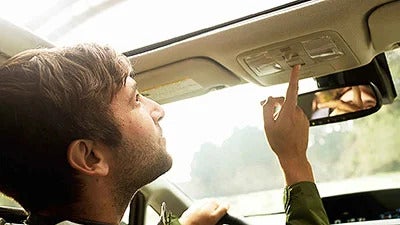
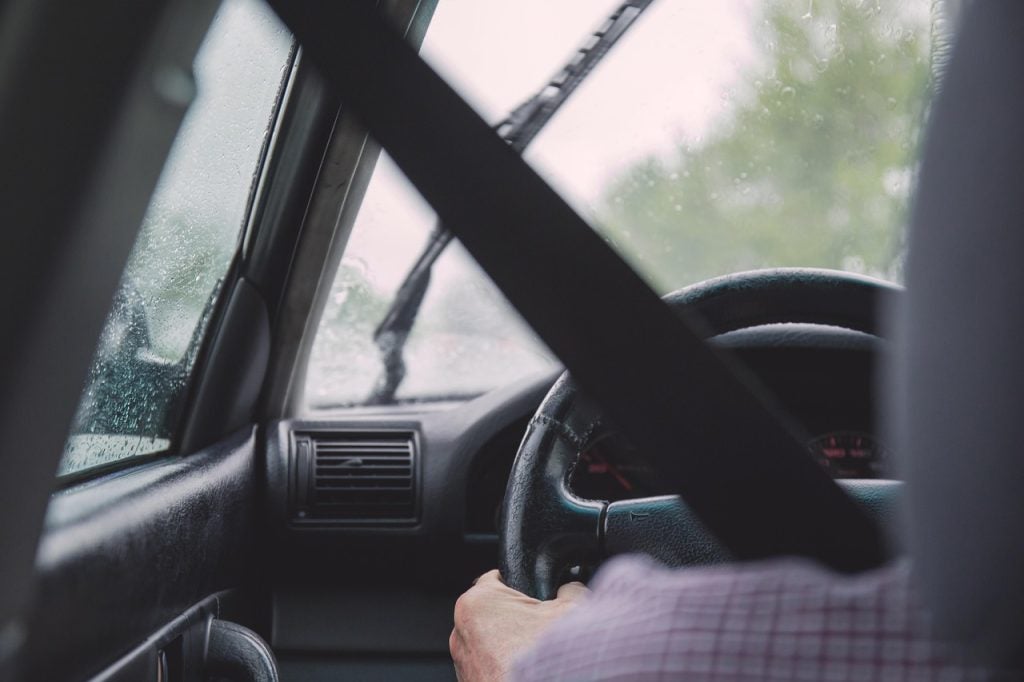
There are few things more exciting than driving for the first time. As your Toyota dealer, we want to make sure you love every aspect of the experience, from the quality car you drive to the way you gain skills and confidence. Here's a few tips for new drivers that can help everything to go smoothly. Understand Your Vehicle Before hitting the road, familiarize yourself with your car's features and controls. Read the owner's manual to understand how the various systems work, such as the brakes, accelerator, lights, wipers, and emergency signals. Take some time while you're sitting with the car in park to find where everything is and how it operates. Don't assume that all cars are the same! more Master Basic Maintenance Basic car maintenance knowledge is essential for every new driver. Learn how to check the oil level, tire pressure, coolant level, and brake fluid. Make sure you can fill a tire with air, too. Develop Situational Awareness Always be aware of your surroundings, including other vehicles, pedestrians, and potential hazards. Keep a safe distance from the car in front of you and regularly check your mirrors. Be particularly cautious at intersections, in bad weather, and during night driving. If you proactively do this when you first start out, the habits will become second nature. Practice Defensive Driving Defensive driving means anticipating potential dangers and reacting calmly and safely. Always assume that other drivers will make a mistake, and be prepared to react. For example, if you're first at the traffic light, don't zoom off the instant it turns green. Assume that someone going the other way will be late trying to beat the yellow light on their side, and make sure the way is completely clear before you move. Manage Speed and Following Distance Obey speed limits and adjust your speed according to road conditions: when it's dark, rainy, or snowing, the speed limit is often not actually a safe speed. Don't worry about what the drivers behind you are doing, either. Just because a person has been driving longer than you doesn't mean they are driving smarter. Maintain a safe following distance from the vehicle ahead – a good rule of thumb is the three-second rule, which gives you ample time to react in case of sudden stops. Learn to Handle Emergencies Prepare yourself for emergencies by learning and practicing basic maneuvers. As an example, if it's snowing, and you have access to a large, empty parking lot, consider driving there carefully and practicing quick stops, starts, and turns in the empty space. This will give you an idea of how the car will react. The longer you drive, the more intuitive it will become. If you need a quality car to match your growing skills, come to Toyota of Kingsville today!

3 Reasons to Get Your Toyota a Tire Rotation

Driving your Toyota feels like a dream with its smooth handling, purring engine, and unmistakable reliability. But like every good relationship, your bond with your Toyota needs regular check-ins. One piece of maintenance you should be doing at your Toyota dealer is tire rotation. If you've been skipping this step, think again. It can make a big difference to your ride. 1. Ensure Even Tire Wear Every time you set off on a journey, be it a quick dash to the grocery store or a lengthy road trip, your Toyota's tires wear down a little. However, they don't all wear down at the same rate. The front tires, for instance, wear out more quickly, and at uneven rates. The rear ones, on the other hand, tend to wear slower and more evenly. more So, without a rotation, you might end up with two tires looking older than their age and two looking comparatively fresh. By rotating your tires regularly, you can make sure all four tires wear out evenly, offering you consistent traction and handling. It's kind of like giving your tires a mini-vacation from their usual position. 2. Save Some Green By regularly rotating your tires, you can stretch out the lifespan of your entire tire set. Even wear means they'll hit their retirement point together, allowing you to replace the entire set at once. Often you'll find deals when buying a set of four, which can be kinder to your bank account than replacing them one at a time. Unevenly worn tires can also make your car work harder, reducing its fuel efficiency. More trips to the gas station really add up over time. Additionally, tires with uneven wear can have a reduced lifespan, leading to earlier-than-expected replacement costs. 3. Smoother, Safer Rides Have you ever felt your car vibrating oddly at higher speeds, or found it pulling to one side? Uneven tire wear might be the culprit. Tires that have worn unevenly can lead to an unbalanced car, affecting its handling and performance. It can also impact brake efficiency, especially in tricky situations like wet roads. Visit Your Toyota Dealer to Rotate Your Tires Regularly rotating your tires helps pamper them and ensure that they last a long time. Generally, the sweet spot for tire rotations is every 6,000 to 8,000 miles, but your Toyota's manual or the experts at the dealership can provide specifics tailored to your model. Next time you're thinking of a little TLC for your Toyota, pop over to the dealership. If it's time to get those tires rotated, schedule a service appointment with Toyota of Kingsport today.

Quality Collision repair

How to Find a Quality Collision Repair for Your Toyota

An accident is certainly not an event anyone wants to take part in. However, they can occur unexpectedly, and in those moments, ensuring the safety of all individuals involved is paramount. Once that's taken care of, however, you'll want to restore your Toyota to like-new condition. The expert team at your Toyota dealer is equipped with the necessary skills, state-of-the-art technology, and genuine parts needed to restore your car to its original condition with collision repair. Arriving and Checking-in On reaching our repair facility, you'll find our team here to offer comfort and assist you with checking in your car. We will need to gather your insurance information if they are handling the repair arrangements. With all the necessary information, we can offer you a ride home or help arrange for a loaner vehicle, depending on the situation. During your time in our facility, our specialized repair team will initiate a visual inspection of your vehicle. Our technicians will meticulously assess the damage to determine the necessary repairs. This preliminary evaluation will be supplemented with a written summary detailing the damage and the proposed course of action needed to restore your vehicle. more Disassembly After the initial assessment, your car will be thoroughly cleaned to eliminate any dirt or debris, enabling a clearer inspection of the damages. Our technicians will then dismantle the affected parts. They will also closely inspect your car's structure for any hidden damages. Our proficient paint team will gather paint specifics to ensure a perfect color match for your Toyota. We will provide an extensive breakdown of the required repairs and associated costs, which will be shared with you and/or your insurance company. We will also coordinate with your insurance company to expedite the process. Repairs Once we receive the green light from you or your insurance company, we'll gather the necessary replacement parts. We will keep you updated on the estimated completion time of repairs and inform you as the work progresses. Our technicians will rectify any structural damage to your car and apply corrosion protection. Painting At this phase, we'll prepare the replacement parts and your car for painting, as necessary. Our expert paint matching capability ensures a flawless blend with your Toyota's existing color. The parts, along with any additional areas of your car, will receive a base coat and clear coat application. Reassembly The newly painted parts will be reattached to your car (if they had to be removed in the first place). Upon completion of reassembly and thorough testing, our quality control team will review the work to verify that all repairs meet Toyota's rigorous standards. Collection Upon your car passing our quality control checks, we'll notify you that your car is ready to be picked up. Once you've reviewed the work and are satisfied, your car will be ready to hit the road again. Should your car require repairs, contact our service department at Toyota of Kingsport.

Toyota Headlights in Kingsport, TN - Toyota of Kingsport

How To Remove Condensation From Your Headlights

Condensation inside your vehicle's headlights can lead to short circuits, premature bulb failure, mold, and other problems. It can also keep your lights from working properly, making driving at night difficult and dangerous. If you notice condensation often, it could be a sign that the seals or gaskets protecting the inside of your headlights from moisture are compromised. Here are some tips on how to remove or prevent condensation in your headlights. more Avoid Parking in Cool, Damp Areas You can prevent condensation inside your headlights by parking in areas with low moisture levels. Avoid shady spots near lakes or rivers, underground parking garages, and other areas with high humidity. If you have a garage, you can use a portable dehumidifier to keep moisture levels down inside the garage. Because condensation forms on cool surfaces from water vapor in the air, keeping water levels low can help you make sure your headlights stay in good condition. Turn Your Headlights On for a While Turning on your headlights for several minutes should warm up the lenses over the bulbs enough to get rid of condensation. If you don't feel like waiting, you can heat your headlights with a hair dryer. Check Your Headlight Vents Most headlights have small vents to keep condensation from building up inside them, and a blocked vent could lead to excess moisture. Check your lights for dead leaves, spider webs, dirt, dust, and other types of debris. If anything is blocking the vents, wipe them carefully with a damp cloth, or use compressed air to blow away blockages. If anything has fallen into the headlight housing, you'll need to take it apart to remove the debris. Insert a Silica Gel Pack If condensation keeps reappearing in your headlights, you'll need to open them and dry the insides with a lint-free cloth. Then, place silica gel packs at the bottoms of the lights to keep condensation from collecting in the future. You can find gel packs in hardware stores and arts and crafts stores. Check your vehicle's owner's manual to find out how to open your headlights, and make sure the gel packs aren't touching the bulbs. With most vehicles, you'll need to open the hood and remove the backs of the headlight assemblies or unscrew the bulbs. Replace Gaskets and Seals Adding a silica gel pack to your headlight is only a temporary solution, and it will eventually stop absorbing water. To keep condensation from coming back for good, you'll need to have the seals or gaskets around your headlight replaced to prevent excess moisture from getting inside. If your lights have cracks or other damage, you might need to get new ones.   To get rid of condensation and make sure it doesn't come back, visit Toyota of Kingsport. You can enjoy free ice cream, coffee, and popcorn while you get your headlights checked. We're open from 7:30 a.m. to 6 p.m. Monday through Thursday, from 7:30 a.m. to 5:30 p.m. Friday, and from 8 a.m. to 5 p.m. Saturday.   Image via DealerOn

Car Cleaning Tips in Kingsport, TN - Toyota of Kingsport

Cleaning Your Car

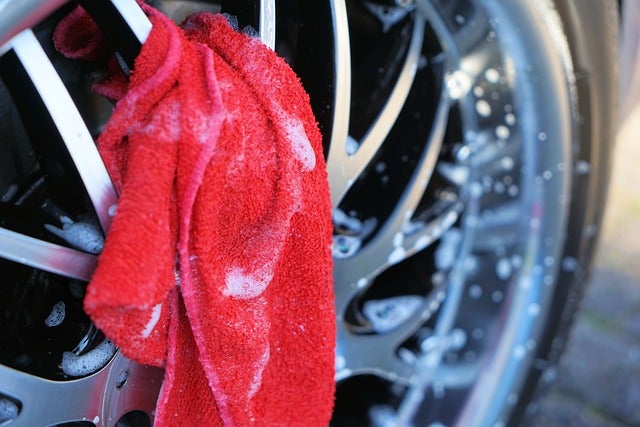
Keeping your house clean is probably something you do on a regular basis, but when it comes to keeping your car clean, you might not do it as frequently. Cleaning your car is something that should be part of your cleaning routine, although we know it can be challenging. Here are some tips that will help make this chore an easier one. more Washing the Exterior Regularly washing your car will not only make it look nice but also extend the life of your paint job. Start by making sure it isn't hot from driving or sitting in the sun; you can park it in the shade if necessary. You'll want to gather your supplies, such as buckets, soap, a soft cloth, and a brush. Fill one bucket with soapy water and the other with clean water, and then proceed to rinse your entire car with water. Once you have rinsed it, you can begin to wash it with the brush. Work in small areas, starting at the top of the car, first washing, then rinsing, and repeating these steps until you have scrubbed the entire surface. Wash the tires last, as they get the dirtiest and will likely make your water and cloth unusable after using them on this part of your car. When you're done, dry the car with a soft towel to prevent water spots. Deep Clean the Interior There are several things you'll need to do to really get the inside of your car looking like new: Remove trash and other unused items Wipe down surfaces Vacuum Shampoo the upholstery Grab a trash bag and start removing any built-up trash or items that have made their way into your car that don't belong there. After removing everything you can, you'll be able to really start cleaning. You'll need cloths for wiping surfaces, as well as a toothbrush, cotton swabs, and car cleaner. Just as with the outside, you want to start with the upper surfaces and work your way down. Wipe the dashboard, the steering wheel, the door panels, and every other surface you can see. Use the toothbrush and cotton swabs to get in the vents and other nooks and crannies you can't wipe with a cloth. The toothbrush is also a good tool for scrubbing the upholstery. When you finish wiping everything down, you can vacuum the carpets and floor mats. Make sure you use a vacuum with good suction so that it cleans all that deep down dirt. The final step is to shampoo the upholstery and get your seats looking brand-new again. Do the Windows Use window cleaner to really get your windshield clean. You'll want to clean it both inside and out to ensure you have the best visibility when you're on the road. Take some time to wipe down your windshield wipers too. This will prevent things that get stuck in the wipers from scratching your windshield. It's not just the windshield that needs to be cleaned, though, so make sure you get the side windows and rear window as well. Cleaning your car will make your drive more comfortable and relaxing. Use these tips to help you take on this task and get the job done. Image via Pixabay

Winter Road Trip Tips in Kingsport, TN - Toyota of Kingsport

Arriving Safe and Happy: Winter Road Trip Tips for Families

When you're planning a road trip during the winter months, there are a few key things to consider before you and the family hop in the car. Winter road trips bring on some additional risk, and it's important you prepare for the harsh conditions of the road during this period. Here are our best tips for traveling safe during this period. more Check Your Tires For safe travel, ensure you have a good tire tread and that the tire pressure is where it should be. During cold weather, your tire pressure will drop with the cold temperatures, so it is crucial to check it before you leave. You may also want to consider getting winter tires if you are going to be doing a lot of driving in that season. Having the right tires and knowing they are in good shape and full of air is an integral part of safe driving, even more critical when roads are unpleasant. Pack a Winter Safety Kit When taking a road trip, it's good to have a safety kit; emergencies happen, and it never hurts to be prepared. If you are taking a road trip during winter, add a few things to that kit. Blankets and tools for digging out a stuck car are a must-have. We recommend you have a shovel and keep some de-icer close by in case you get stuck. Sometimes your trunk, doors, or hood can get frozen shut, and having deicer will make your life a lot easier. In addition, you should have a safety kit year-round. It's also a good idea to have first aid, portable power banks, flairs, non-perishable food and water, and jumper cables to ensure you are ready when things get tough, especially with winter's dangerous driving conditions. Research your Route Many roads in hilly terrain are vulnerable to heavy snowfall. As a result, they usually end up getting closed down when it snows heavily. When mountains get icy and covered in snow, conditions can become unfit for driving rather quickly. So, before embarking on a trip, confirm if you are heading into a mountainous region. You should know the type of terrain and find the best route ahead of time to make sure you don't end up getting stuck or delayed for an important event. Get Your Vehicle Serviced Before heading out on your trip, take your vehicle in for service. This is an essential part of any road trip. Winter driving takes an even bigger toll on your car, so it's a good idea to let a mechanic take a look at everything before getting on the road. This can help in catching potential issues before your journey. Top off Your Fluids Ensure all your fluids are topped off, including your windshield washer fluid. Lots of salt and debris can load up on your windshield during winter driving, and you will run out of these vital fluids quickly unless you topped them off before hitting the road. Knowing your route and making sure your vehicle is in tip-top shape are all critical for a safe road trip this coming winter. These tips will help arrive safely and happily at your destination this winter. Image via DealerOn

2020 Toyota Tundra in Kingsport, TN - Toyota of Kingsport

Best Ways to Take Care of a Toyota Tundra

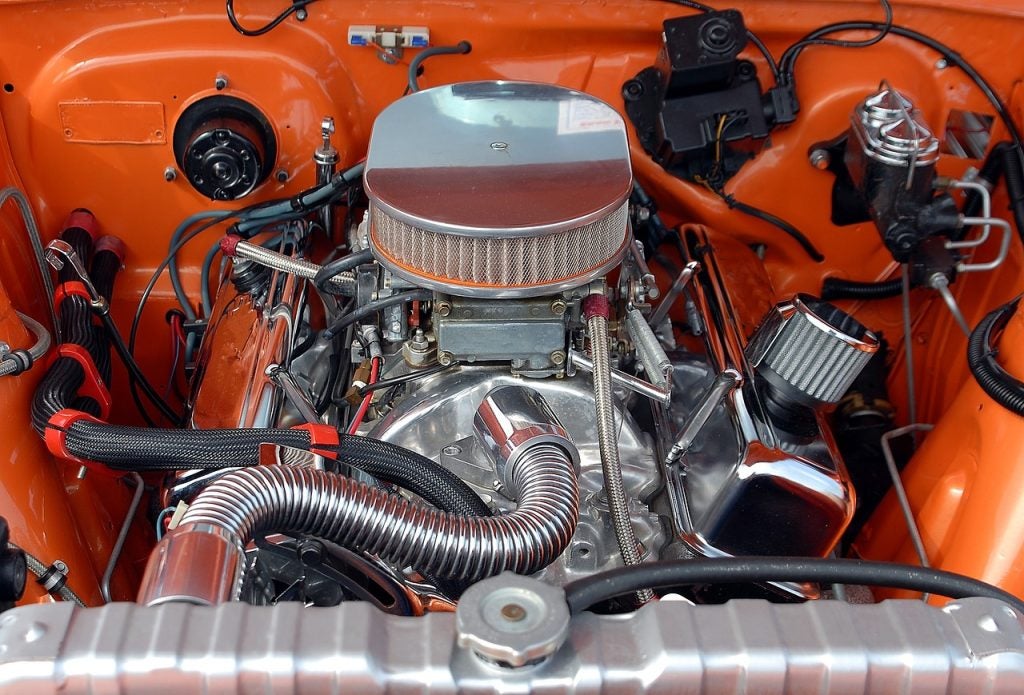
Keeping up with recommended maintenance is one of the best ways to get your Tundra running at its best. Following guidelines will not only keep your truck running great, but will keep you safe while driving as well. We have gathered some of the best ways to take care of a Toyota Tundra. more Get Your Oil Changed Regularly Keeping up with oil changes as set out in your service manual is one of the easiest things you can do to take care of your Tundra. It is recommended that you change your oil every 5,000 miles or six months, whichever comes sooner. You can wait until 7,500 miles though if you opted for the synthetic oil at your last oil change. This simple upkeep measure keeps your truck running smoothly, and if done properly it can help your truck last for years. Regular Car Washes Cleaning the exterior of your truck is an important part of taking care of your Tundra. You should also pay close attention to the undercarriage and tires to make sure there are no abnormalities there as well. Wax treatments help to protect your paint and keep it shining and looking new for longer. Don't forget the interior when you head to the car wash. Vacuuming, cleaning the surfaces and wiping down leather if you have it will help to extend the interior life. Not only will you stretch out the life of your vehicle, but your ride will be more comfortable if it is nice and clean. Check Fluid Levels There are several different fluid levels you should be keeping up with and checking regularly. These include windshield wiper fluid, transmission fluid, and coolant. These all impact how your truck drives. If you find them low or in need of a change then don't hesitate to contact your local Toyota dealership. Tire Pressure and Tread Checking your tire pressure, especially in the colder months, will help your tires last longer. Properly inflated tires are also safer to drive on. Having over or under inflation can affect how your truck drives. You should also look at your tire tread and make sure there is no uneven wear. You should have your tires rotated regularly to help with this. Your tires are one of the most crucial parts of your vehicle and definitely should not be neglected. Other Routine Maintenance There is a list of routine maintenance suggestions included in the manual of every Tundra. They recommend changing out air filters every 30,000 miles as well as checking and replacing the above-mentioned fluids. After 45,000 miles, it is recommended to check out things such as the exhaust pipe and mounting, brake lines and hoses, and the radiator. When your vehicle reaches the 120,000-mile point you should check the spark plugs and the drive belts. For more information or if you would like to set up a service request please contact us at T oyota of Kingsport. A member of our service department would be glad to help you out. Image via DealerOn

Car Cleaning Tips in Kingsport, TN - Toyota of Kingsport

Four Tips for Keeping Your Car Clean

We all love the way our cars look and smell right after a visit to the car wash. The trouble is, however, that the wonderful feeling of driving a clean, trash-free, and shiny vehicle doesn't last very long, and pretty soon your travel companion is again in need of a trip to the cleaners. If you don't want to waste time and money by professionally washing your car every few days, make sure to follow these simple tips. Clean Up Your Trash It may sound like a no-brainer, but the first thing you must do is gather all the unwanted stuff you've been throwing in the back and on the floor of your car since your last visit to the car wash. Odds are there's more trash in your car than you would expect, so grab a couple of trash bags and get to it. Make sure to check all the storage spaces around the car for any unnecessary items, but take your time to be certain you won't throw away anything you might actually need later. more Organize Your Stuff Now that you got rid of all the things you don't need, it's time to take care of the things you actually do need. You will want your car papers to be in a safe place but also somewhere they can easily be found. Usually, the best place is in the glove compartment. Next on the list of items you definitely need in your car are your electronic devices, such as GPS or phone charger. Make sure they all have their own spot and put them back when you don't use them. Otherwise, their wires will tangle. Take Care of Your Air Vent Now that your car's interior is clean, you need to make sure the air inside is clean as well. Your car's air vents gather plenty of dust over time, so you will need to clean them occasionally by using a small brush soaked in cleaner. To clean up the entire installation, try using a disinfectant spray on both air vents inside and the air flow inlets on the outside of the car. Pretty soon, your car's air will be fresh and free of any unwanted odors. Keep the Exterior Shiny and Clean If your car is seriously dirty, a car wash may be the only solution. In most situations, however, you can easily clean it yourself. Start by using a microfiber mitt to clean the car's body. Its gentle touch is ideal for maintaining the paint job. The easiest and most convenient way of cleaning the windows is by using baby wipes, as they clean and disinfect at the same time. Make sure to remember cleaning the windows both from the outside and the inside. With so many people having long commutes to work every day, the car can often be considered as a second home. Keeping your vehicle clean makes it pleasing to look at and does wonders for your health and wellbeing. Image by Andreas Lischka from Pixabay

blog 28

Tips for Keeping Your Toyota Smelling Fresh All Summer

We all love that new car smell. There are plenty of ways to make sure your new Toyota keeps smelling fresh and clean for years to come. Hang an Air freshener Hanging an air freshener is an affordable and easy way to make your car smell fresh. You can get scents such as pine, vanilla, sea breeze, and any fruit you can imagine. To get the most circulation with the scent throughout your car, clip the air freshener to your vents or near your dashboard. If it is a hanging air freshener, you can hang it under the dashboard near the passenger-side footwell where the air vents are located. more Spray an Odor-Eliminating Spray Many companies make air fresheners you can spray throughout your car. Keep a bottle in your glove compartment or your trunk, and whenever you want to add a fresh smell to your Toyota, you can give it a spritz. There is even a "new car smell" scent option if you prefer that scent. Use Dryer Sheets Dryer sheets are a great way to add a nice smell to your car quickly with what you may already have in your house. Tuck a few dryer sheets under the driver and passenger seats. Just be sure to remove them after a few days and replace them with new ones. Another option is to use a box of dryer sheets instead of an air freshener. Open a new box of dryer sheets and place the box under the passenger's seat. It will keep your car smelling like fresh laundry for weeks. Vacuum Regularly Odors usually build up because of dirt and crumbs that find their way under your car's carpets and seats. If you keep on top of vacuuming your car, you'll avoid those smells altogether. Be sure to pick up the floor mats and get between the cracks of the seats where crumbs can easily fall. For a bit of extra cleanliness, sprinkle baking soda around the seats and mats and leave to sit for a few minutes before you vacuum. For times when you don't have time to vacuum, at least take a few minutes to shake out the car mats. Use Vinegar and Water If a smell does develop in your car and these other ideas don't work, you may have to give the interior of the car a more thorough clean. Fill a clean spray bottle half with white vinegar and half with water. Spray and wipe down every surface in the car, including your dashboard, seats, floor mats, steering wheel, and cup holders. Wipe everything clean with a microfiber or lint-free cloth. You'll need to leave the doors open to allow everything to dry and for the vinegar smell to go away. It can take a few days for the vinegar smell to dissipate, but it's one of the best ways to remove other odors and stains from your vehicle. Keeping your Toyota smelling fresh is easy as long as you maintain its cleanliness and add a few scented touches every now and again. Image Via Pixabay

4 Questions You Need to Ask Before Buying a New Car

Are you in the market for a new car? You've come to the right place. We know that buying a car is not only a big financial decision but also a daunting, timely and emotional experience, which is why we're here to help. When searching for a new car, there are certain key questions that you should be asking your sales representative. What are they exactly? Read on to discover them! Question #1: What is the term of your loan and financing options? After you've taken a few cars for a test drive, we'll sit down with you and have an honest and open conversation about financing. Dealer financing can be a bit tricky, so it's a good idea to explore all financing options in detail, including specific terms of the deal and interest rates. Whether this conversation takes 30 minutes or three hours, our team will make sure that you feel confident about your choice before you sign anything. more Question #2: Where's the closest service center? Not all dealers have attached service centers. In some situations, your dream car could even be six hours away. That's why it's important to ask your sales rep where the nearest service center is. If you have to drive all the way across town — or even a few towns over — twice a year for that regular car maintenance, it can quickly become a hassle. You'll want to factor that in before you fall in love with your dream car. Question #3: What is the total price of the car? Buying from dealerships often means that there will be associated fees and packaged, pre-fitted options already added on to cars. What is this advertising charge? What is this leather seal? What are you really paying for? You won't know until you ask about the mandatory fees. You should also ask about the total cost of your potential new vehicle. Combining the interest, commission, and sometimes hidden costs can raise the final cost of that car. Asking for an invoice and going through each line item one by one will help you to fully understand everything that's incorporated in that final price. Question #4: Do you love the car? While this question is one that you'll have to ask yourself, it's important to take the time to see if a potential new vehicle will fit your needs and lifestyle. Being an emotional decision, you'll want to make sure that your vehicle has all the space, power, and luxury features that you want and need to drive comfortably and safely. Before signing anything, make sure that the car truly makes you happy and that you're not making any unnecessary compromises. And there you have it, some of the most important questions that you need to ask when buying a new car. In need of more advice? Stop by our dealership today. Our friendly and expert sales staff will be happy to answer all of your questions.

Dogs Love to Ride in the Car but Yes, Dogs Get Carsick Too!

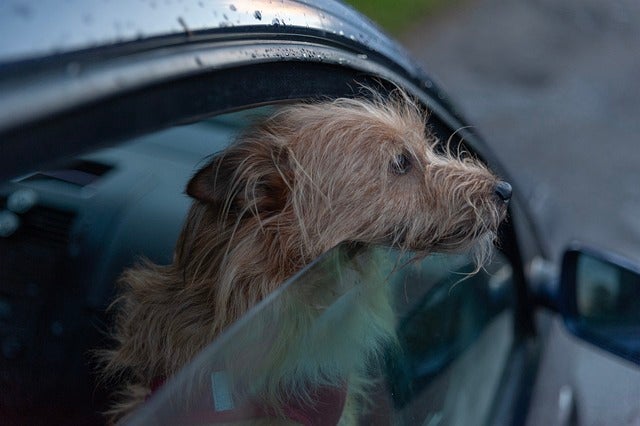
The idea that "dogs love to ride in the car" hearkens back to the days of the horseless carriage. The slobbery truth, however, is that dogs can suffer from motion sickness, just as some people can. Before taking Fido along on that next road trip, be sure to do some research. Why Do Dogs Get Carsick? The science behind dog carsickness is a bit hazy, but it seems that dogs get carsick for the same reasons that people do. Your dog's inner ear fluids slosh around when riding in a car, and if their neurological input doesn't match what Rover is seeing, nausea can be the result. When humans drive cars, for example, carsickness is almost never a factor because they can see the road ahead and predict movements such as turns and stops. It's generally ill-advised to let your dog drive, however. more What Are the Symptoms? The most obvious manifestation of dog carsickness requires a wet/dry vac and some deodorizer, making you wish they still made vinyl car seats. More subtle symptoms include excessive drooling, panting, lip smacking, or yawning. Your mutt may also seem nervous or listless. If more than nine people are required to drag your terrified, whining pooch into the backseat, this may also be a sign. What Can Be Done? Anxiety may be the cause of your dog's plight. If Spot's only car rides are to the vet for neutering and shots, you can hardly blame him. Dogs make associations, just as humans do. To prevent this, take your dog for short rides to places you know they enjoy, like the park or the river. Give a treat when they get in the car, and keep a special toy in the backseat just for car rides. Try the same remedies that work on humans. Instead of a crate or kennel, use a dog harness that allows them to face forward and see out the window. Of course, crates are easier to hose out if Lucky gets unlucky, but you'd save her a lot of potential misery. Lining the seats and floor with old towels is smart insurance against accidents. If you put your pooch in the front seat so he gets the clearest view of the road, keep in mind that the passenger airbag can potentially kill your pal if there's a collision, so be sure to turn off the passenger airbag during your drive. If this isn't possible, slide the seat as far back from the dashboard as you can. Other helpful ideas include limiting the amount of food given to your dog before a scheduled trip, lowering the windows a bit to balance out the air pressure inside the cabin, and giving them a small, sugary treat before you leave. Tiny amounts of sugar seem to help with carsickness, but be sure to never give dogs chocolate or any candy containing xylitol, as both of these are toxins for them. Medications are available from your vet if none of these remedies work. Nothing brings canines and their human servants together like car trips. Do everything you can to make these rides as pleasant, safe, and relatively clean as possible. Both Bowser and your upholstery will thank you for it! Image by Radosław Zmudziński from Pixabay

Contact Us

Fill out this form below and we'll contact you shortly
*Required Fields