

Blog / Car Tips

Blog

All Car Tips New Toyota Cars Kingsport Toyota Dealer Around Town Activities and Excursions Kingsport Toyota Service Car Maintenance SUVs Driving Safety Toyota Trucks Car Features Tennessee Toyota of Kingsport Service About Toyota Car Buying Tips Toyota of Kingsport Toyota Performance Vehicles Hybrid Vehicles Fun Facts Kingsport Used Cars Toyota Tundra Travel Destinations Used Toyota Cars Car Warranty Information Fuel Efficient Toyota All-Wheel Drive Vehicles Electrified Vehicles Toyota History Toyota RAV4 Toyota Tacoma

Home EV Chargers: Four Questions and Answers

The biggest advantage of buying an electric vehicle is never having to roll into the gas station again, as well as doing your part to help the environment. Although you'll be saving a fortune in fuel, you will need to buy a charger and pay for the installation. You may wonder if it's worth the hassle. Here are the answers to the most common questions asked by drivers thinking about buying an electric vehicle. What Type of Charger Do I Need? Charging your car requires Electric Vehicle Supply Equipment (EVSE). That's the technically correct term for the charger. There are Level 1 and Level 2 chargers. Level 1 charging simply means plugging your vehicle into your home's standard electric outlet. However, your home only provides a 120-volt outlet, which means it takes a lot longer to charge the car. Depending on the type of car, it can take up to 20 hours. Another potential problem is the amount of power it draws could overload your home's electric circuit, causing breakers to trip. Professionals agree it's best to buy a Level 2 EVSE. These are 240-volt charging stations that require a dedicated electrical circuit, and you will need to get a professional electrician to install it. It's worth it because the charge time is significantly less. more What Are the Costs? An EVSE costs between $500 and $700, depending on which brand you buy. This excludes the cost of installation. Most people have their chargers wall-mounted, but you can also consider a portable charging station, which costs roughly the same. If you move, it will save you the trouble of removing the wall-mounted one and reinstalling in your new home. Getting a professional electrician to install the charger will also cost you, but those costs can vary wildly. A straightforward job can cost only $200, but prices will soar if you need to upgrade your home's electrical circuits and wiring. How Will This Impact My Electricity Bill? According to Plug-In America, the average cost of electricity in the U.S. is 12 cents per kWh, and the average person driving the average EV 15,000 miles per year pays about $540 anually to charge it. This is, of course, also depends on your utility company. One thing to bear in mind is that some electric companies offer special time of use rates to EV drivers, which can sometimes drive down your overall electric bill. Will My Home Need to Be Rewired? Aside from installing the dedicated electrical circuit for a Level 2 charger, there should be no further work needed. You will not need to rewire your home. However, if your home has electrical issues, you're going to have headaches. If you electrical circuit can't cope with the demands of an EV charger, or you have faulty or old wiring, then you're looking at a much bigger job. Weighing the pros and cons of buying an electric vehicle is important in making your decision. In the long run, the money you'll save per year on fuel will be worth it. Image by Gerd Altmann from Pixabay

Is Your Seat Positioned Correctly?

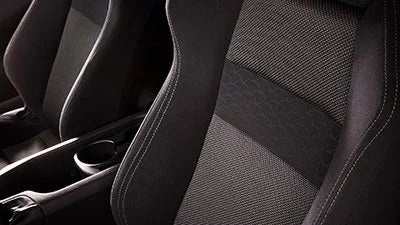
There's a good reason so many car seats offer so many ways to adjust their position. While a seat in the perfect position can make driving a comfortable, relaxed experience, whether you're traveling for two minutes or two hours, a seat in a bad position will soon have you feeling tired, sore, and cranky, and it may even be unsafe. Legs On the one hand, you need your body to be far enough forward that your foot can easily push both (or all three) pedals all the way down. If you're so far back that you have to make an effort to mash on the brake as hard as possible, that's actively unsafe. And on the other hand, you need the seat to be far back enough that your knees aren't wedging themselves up against the underside of the dashboard. more Arms Much like your legs, your arms need to be able to grip the steering wheel without any trouble and without being so close that your belly is pressing up against the base of the wheel. One good way to measure the proper distance is to hold your arms out straight past the steering wheel. If you can touch the edges of the wheel with your wrists, that's a good distance. Lumbar The lumbar region of your body is your lower back, specifically the part of your spine which bends inward instead of outward. If your car seat has lumbar support, you should adjust that part of the seat until you feel like the seat is pressing evenly against your back from the base of your shoulders down to your hips. If there's too much or too little support on your lumbar area, your whole back will grow sore the longer you sit. Height and Steering Wheel Angle Like lumbar support, you can't adjust the seat's height and the steering wheel's angle in every car, but the ability to do so is very helpful if you're particularly tall or short compared to whomever the car company used to test the vehicle. Ideally, the steering wheel should point straight at your shoulders, since this will let you move your hands around the entire circumference without having to strain or force your elbows too far back. Mirrors While your side and rearview mirrors aren't going to make you more comfortable, they're definitely a part of adjusting the car to fit your body. The best angle for your side mirrors is one that lets you see just a tiny bit of the side of your car at most. Meanwhile, setting the center mirror is as simple as making sure you can see through every bit of the back window. Positioning your seat correctly will make driving a more comfortable, relaxing, and safe experience. And here's one last bit of advice: if you carry a thick wallet in your back pocket, you should remove it before sitting down for extended periods. If you do so, you'll be able to relax your hips and sit straighter.

4 Things to Know About Warranties

When buying a new car, many people pay especially close attention to the terms of the vehicle's warranty. They often provide the kind of peace of mind that reduces buyer's remorse and makes people more excited about their car purchases. Keep reading to learn some basic principles about vehicle warranties that could help you understand whether one that's associated with a car you're considering is worthwhile. Most Last for a Specific Number of Years or Miles When looking at details for a warranty, you'll often see descriptions such as "three years/36,000 miles." That means that generally, the warranty lasts for either a three-year period or until whenever your odometer says you've driven 36,000 miles, whichever comes first. The length of the warranty is a good guideline, but it's not a hard and fast rule to depend on, due to the next point on this list. more Some Actions Void Your Warranty Taking good care of your car helps the vehicle last longer. However, there are also some things you might do to a car to improve it that void the warranty. Some of them include installing aftermarket parts that change how the car's factory-installed components function. People are also commonly concerned they might void their warranties by having cosmetic work done on their cars. In most cases, this is not true unless it changes the car's mechanical function as well as its appearance. Although you've just learned some general guidelines about what voids a vehicle warranty, always research further by looking at the owner's manual. It'll have a specific section that details what you can and cannot do to stay within the warranty's terms. Also, there are federal and state statutes for vehicle warranties; you should always refer to whatever the owner's manual says because the information there overrides anything else. A Warranty Isn't a License for Negligence Some uneducated buyers believe a vehicle warranty gives them permission to avoid regular maintenance on a car or otherwise treat the vehicle in ways that could compromise its function or appearance. Although most warranties provide coverage for defective parts, they don't come into effect if a part gets stolen off your car after you kept it parked out in the open within an area of town that's prone to car thefts. Anyone Can Perform Maintenance to Keep a Warranty in Effect Performing regular maintenance on a car that's under warranty is arguably one of the simplest ways to ensure you're doing what you can to keep the warranty's terms in effect. However, that doesn't mean you can only get a car serviced by the dealership. Many people prefer to take that route because they know that the dealership mechanics are already very familiar with certain makes and models of cars, and may wish to establish an ongoing relationship with a local dealer. However, if you already have a mechanic you rely on, that person can perform maintenance too. Although this article provides a crash course about vehicle warranties, bring up more detailed questions with your dealership. Representatives there are well equipped to give the answers you need. Image by Cicero7 from Pixabay

Tips on Buying a Used Car in Kingsport, TN

4 Reasons to Consider Buying a Used Vehicle

When it's time to go car shopping, the big sticker prices, major commitments, and performance unknowns of a new vehicle can make the whole prospect less appealing. Perhaps it's time to consider a used car instead. There are a lot of benefits to buying used, from lower cost to more information about the car through reviews in publications and on Internet forums. If you're in the market for a vehicle and aren't sure if buying used is right for you, consider the following. 1. Lower Cost The most obvious reason to opt for a used car is the considerably lower price compared to new vehicles. All cars lose market value over time, but did you know that a car doesn't have to be old or well-worn in order to depreciate? Technically, the moment a new car drives off the lot, it depreciates by a considerable percentage. If you shop smart, you can find a car that's quite close to new, but at a fraction of the price. Just make sure to investigate the car's condition thoroughly before you buy, as unexpected maintenance can wipe out that price difference overnight. more 2. More Information We're living in an information-rich time. Not only are there professional publications like Edmunds and Kelley Blue Book that review cars, there are also countless Web forums and other services that allow everyday people to publish the nitty gritty about their real driving experiences. A car that came out a few years ago will have plenty of information out there about things like long-term fuel efficiency, common maintenance issues, and even the average depreciation of a given vehicle. You will be able to learn a lot prior to purchase. 3. Great for New Drivers If you're living with a teen or someone else who is just starting to drive, you know that it's probably not the smartest investment to give that new driver the latest model car. It's a big investment and not only will those more likely than normal dents and scuffs be more expensive to fix on a new car, the insurance premiums tied to the car might be more than you expect. Before you sign the lease on a new sedan for your eager 16-year-old, maybe consider a Honda Accord with a few years on it. A used car allows new drivers the freedom they want without as big an investment and more manageable associated costs. 4. New Isn't Always Better A given model of car undergoes design changes from year to year, which means that some nice features get cut in later models. Opting for a used car might actually get you the version of a vehicle with more features, more comfortable interiors, or even better safety ratings. With a little research, you can purchase a great used car for only a fraction of the cost of a new car. It's a smart investment and you may even find a hidden gem on the used car lot. Image via Pixabay

5 Tips for Trading in Your Car

A lot of people feel anxious about trading in their cars because they worry they won't receive a good value at the dealership. Follow these five tips to make sure you receive a fair price and positive experience. Keep Detailed Maintenance and Repair Records A dealership will want to know you have taken good care of your car. Giving them detailed maintenance and repair records proves that the vehicle is in top condition for its age, which could result with the dealership offering more money for it. Ideally, you should keep your oil change receipts as well as invoices for major repairs to provide proof of consistent maintenance to the dealership. more Fix Any Small Problems Small problems can make your car look unappealing, which will lower its value from a salesperson's perspective. Having small problems fixed now could mean you receive more money at the dealership. Small problems include things like dents, scratches, and peeling window tint. They don't cost much to fix, but they could lower your vehicle's trade-in value. Clean the Car Thoroughly Before Trading It In No one, including your dealership, wants to buy a dirty car. Spend some time cleaning the interior and exterior to make your car look its best. You may want to hire a professional to do the job for you. The better your vehicle looks, the more likely it is that you will receive a good trade-in value. Plus, dealerships can justify giving it a higher value because they don't have to spend time and money having the car detailed before putting it on the lot. Know What Your Car is Worth Most dealerships will give you a fair value for your car, but that doesn't mean you should trust them to have accurate information. Use a trustworthy source like Kelley Blue Book to find out how much your vehicle is worth. That way, you will know which offers to accept. Knowing the value of your car will also help you if you need to negotiate with the salesperson. Tell the Dealership You Plan to Trade in Your Car A popular myth says you shouldn't mention your trade-in until after you have negotiated the sales price of your new vehicle. This technique, known as parachuting, sounds like good advice, but it won't benefit you. Parachuting assumes that a salesperson can somehow manipulate you into accepting a lower trade-in value or a higher price for your new car. If you have done your research though, you already know the approximate values of both vehicles, so you don't need to withhold information. Besides, if you don't mention your trade-in upfront, then you will have to wait for the dealership to evaluate the vehicle. Depending on the time of day and type of car you have, this could take anywhere from a few minutes to over an hour. You don't have to feel nervous when trading in your car. Just be sure to follow these simple tips for guidance. Image by 3D Animation Production Company from Pixabay

Contact Us

Fill out this form below and we'll contact you shortly
*Required Fields