

Blog / Car Tips

Dogs Love to Ride in the Car but Yes, Dogs Get Carsick Too!

The idea that "dogs love to ride in the car" hearkens back to the days of the horseless carriage. The slobbery truth, however, is that dogs can suffer from motion sickness, just as some people can. Before taking Fido along on that next road trip, be sure to do some research.

Why Do Dogs Get Carsick?

The science behind dog carsickness is a bit hazy, but it seems that dogs get carsick for the same reasons that people do. Your dog's inner ear fluids slosh around when riding in a car, and if their neurological input doesn't match what Rover is seeing, nausea can be the result. When humans drive cars, for example, carsickness is almost never a factor because they can see the road ahead and predict movements such as turns and stops. It's generally ill-advised to let your dog drive, however.

What Are the Symptoms?

The most obvious manifestation of dog carsickness requires a wet/dry vac and some deodorizer, making you wish they still made vinyl car seats. More subtle symptoms include excessive drooling, panting, lip smacking, or yawning. Your mutt may also seem nervous or listless. If more than nine people are required to drag your terrified, whining pooch into the backseat, this may also be a sign.

What Can Be Done?

Anxiety may be the cause of your dog's plight. If Spot's only car rides are to the vet for neutering and shots, you can hardly blame him. Dogs make associations, just as humans do. To prevent this, take your dog for short rides to places you know they enjoy, like the park or the river. Give a treat when they get in the car, and keep a special toy in the backseat just for car rides.

Try the same remedies that work on humans. Instead of a crate or kennel, use a dog harness that allows them to face forward and see out the window. Of course, crates are easier to hose out if Lucky gets unlucky, but you'd save her a lot of potential misery. Lining the seats and floor with old towels is smart insurance against accidents.

If you put your pooch in the front seat so he gets the clearest view of the road, keep in mind that the passenger airbag can potentially kill your pal if there's a collision, so be sure to turn off the passenger airbag during your drive. If this isn't possible, slide the seat as far back from the dashboard as you can.

Other helpful ideas include limiting the amount of food given to your dog before a scheduled trip, lowering the windows a bit to balance out the air pressure inside the cabin, and giving them a small, sugary treat before you leave. Tiny amounts of sugar seem to help with carsickness, but be sure to never give dogs chocolate or any candy containing xylitol, as both of these are toxins for them. Medications are available from your vet if none of these remedies work.

Nothing brings canines and their human servants together like car trips. Do everything you can to make these rides as pleasant, safe, and relatively clean as possible. Both Bowser and your upholstery will thank you for it!

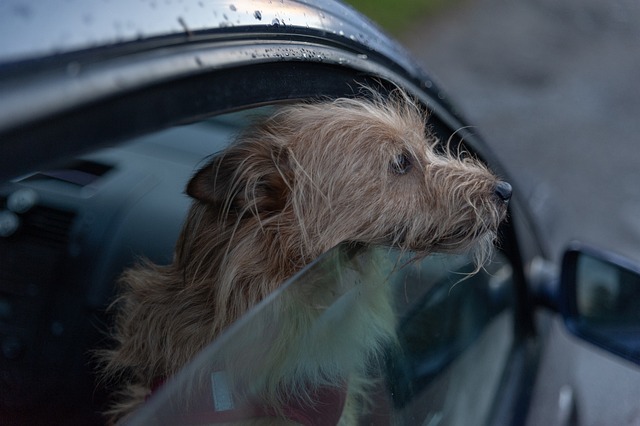
Image by Radosław Zmudziński from Pixabay 
Posted in:

Related Posts

new driver

Your First Toyota: 6 Tips for New Drivers

There are few things more exciting than driving for the first time. As your Toyota dealer, we want to make sure you love every aspect of the experience, from the quality car you drive to the way you gain skills and confidence. Here's a few tips for new drivers that can help everything to go smoothly. Understand Your Vehicle Before hitting the road, familiarize yourself with your car's features and controls. Read the owner's manual to understand how the various systems work, such as the brakes, accelerator, lights, wipers, and emergency signals. Take some time while you're sitting with the car in park to find where everything is and how it operates. Don't assume that all cars are the same! more Master Basic Maintenance Basic car maintenance knowledge is essential for every new driver. Learn how to check the oil level, tire pressure, coolant level, and brake fluid. Make sure you can fill a tire with air, too. Develop Situational Awareness Always be aware of your surroundings, including other vehicles, pedestrians, and potential hazards. Keep a safe distance from the car in front of you and regularly check your mirrors. Be particularly cautious at intersections, in bad weather, and during night driving. If you proactively do this when you first start out, the habits will become second nature. Practice Defensive Driving Defensive driving means anticipating potential dangers and reacting calmly and safely. Always assume that other drivers will make a mistake, and be prepared to react. For example, if you're first at the traffic light, don't zoom off the instant it turns green. Assume that someone going the other way will be late trying to beat the yellow light on their side, and make sure the way is completely clear before you move. Manage Speed and Following Distance Obey speed limits and adjust your speed according to road conditions: when it's dark, rainy, or snowing, the speed limit is often not actually a safe speed. Don't worry about what the drivers behind you are doing, either. Just because a person has been driving longer than you doesn't mean they are driving smarter. Maintain a safe following distance from the vehicle ahead – a good rule of thumb is the three-second rule, which gives you ample time to react in case of sudden stops. Learn to Handle Emergencies Prepare yourself for emergencies by learning and practicing basic maneuvers. As an example, if it's snowing, and you have access to a large, empty parking lot, consider driving there carefully and practicing quick stops, starts, and turns in the empty space. This will give you an idea of how the car will react. The longer you drive, the more intuitive it will become. If you need a quality car to match your growing skills, come to Toyota of Kingsville today!

Toyota Headlights in Kingsport, TN - Toyota of Kingsport

How To Remove Condensation From Your Headlights

Condensation inside your vehicle's headlights can lead to short circuits, premature bulb failure, mold, and other problems. It can also keep your lights from working properly, making driving at night difficult and dangerous. If you notice condensation often, it could be a sign that the seals or gaskets protecting the inside of your headlights from moisture are compromised. Here are some tips on how to remove or prevent condensation in your headlights. more Avoid Parking in Cool, Damp Areas You can prevent condensation inside your headlights by parking in areas with low moisture levels. Avoid shady spots near lakes or rivers, underground parking garages, and other areas with high humidity. If you have a garage, you can use a portable dehumidifier to keep moisture levels down inside the garage. Because condensation forms on cool surfaces from water vapor in the air, keeping water levels low can help you make sure your headlights stay in good condition. Turn Your Headlights On for a While Turning on your headlights for several minutes should warm up the lenses over the bulbs enough to get rid of condensation. If you don't feel like waiting, you can heat your headlights with a hair dryer. Check Your Headlight Vents Most headlights have small vents to keep condensation from building up inside them, and a blocked vent could lead to excess moisture. Check your lights for dead leaves, spider webs, dirt, dust, and other types of debris. If anything is blocking the vents, wipe them carefully with a damp cloth, or use compressed air to blow away blockages. If anything has fallen into the headlight housing, you'll need to take it apart to remove the debris. Insert a Silica Gel Pack If condensation keeps reappearing in your headlights, you'll need to open them and dry the insides with a lint-free cloth. Then, place silica gel packs at the bottoms of the lights to keep condensation from collecting in the future. You can find gel packs in hardware stores and arts and crafts stores. Check your vehicle's owner's manual to find out how to open your headlights, and make sure the gel packs aren't touching the bulbs. With most vehicles, you'll need to open the hood and remove the backs of the headlight assemblies or unscrew the bulbs. Replace Gaskets and Seals Adding a silica gel pack to your headlight is only a temporary solution, and it will eventually stop absorbing water. To keep condensation from coming back for good, you'll need to have the seals or gaskets around your headlight replaced to prevent excess moisture from getting inside. If your lights have cracks or other damage, you might need to get new ones.   To get rid of condensation and make sure it doesn't come back, visit Toyota of Kingsport. You can enjoy free ice cream, coffee, and popcorn while you get your headlights checked. We're open from 7:30 a.m. to 6 p.m. Monday through Thursday, from 7:30 a.m. to 5:30 p.m. Friday, and from 8 a.m. to 5 p.m. Saturday.   Image via DealerOn

Car Cleaning Tips in Kingsport, TN - Toyota of Kingsport

Cleaning Your Car

Keeping your house clean is probably something you do on a regular basis, but when it comes to keeping your car clean, you might not do it as frequently. Cleaning your car is something that should be part of your cleaning routine, although we know it can be challenging. Here are some tips that will help make this chore an easier one. more Washing the Exterior Regularly washing your car will not only make it look nice but also extend the life of your paint job. Start by making sure it isn't hot from driving or sitting in the sun; you can park it in the shade if necessary. You'll want to gather your supplies, such as buckets, soap, a soft cloth, and a brush. Fill one bucket with soapy water and the other with clean water, and then proceed to rinse your entire car with water. Once you have rinsed it, you can begin to wash it with the brush. Work in small areas, starting at the top of the car, first washing, then rinsing, and repeating these steps until you have scrubbed the entire surface. Wash the tires last, as they get the dirtiest and will likely make your water and cloth unusable after using them on this part of your car. When you're done, dry the car with a soft towel to prevent water spots. Deep Clean the Interior There are several things you'll need to do to really get the inside of your car looking like new: Remove trash and other unused items Wipe down surfaces Vacuum Shampoo the upholstery Grab a trash bag and start removing any built-up trash or items that have made their way into your car that don't belong there. After removing everything you can, you'll be able to really start cleaning. You'll need cloths for wiping surfaces, as well as a toothbrush, cotton swabs, and car cleaner. Just as with the outside, you want to start with the upper surfaces and work your way down. Wipe the dashboard, the steering wheel, the door panels, and every other surface you can see. Use the toothbrush and cotton swabs to get in the vents and other nooks and crannies you can't wipe with a cloth. The toothbrush is also a good tool for scrubbing the upholstery. When you finish wiping everything down, you can vacuum the carpets and floor mats. Make sure you use a vacuum with good suction so that it cleans all that deep down dirt. The final step is to shampoo the upholstery and get your seats looking brand-new again. Do the Windows Use window cleaner to really get your windshield clean. You'll want to clean it both inside and out to ensure you have the best visibility when you're on the road. Take some time to wipe down your windshield wipers too. This will prevent things that get stuck in the wipers from scratching your windshield. It's not just the windshield that needs to be cleaned, though, so make sure you get the side windows and rear window as well. Cleaning your car will make your drive more comfortable and relaxing. Use these tips to help you take on this task and get the job done. Image via Pixabay