

Blog / Car Maintenance

Blog

All Car Maintenance New Toyota Cars Kingsport Toyota Dealer Around Town Activities and Excursions Kingsport Toyota Service Car Tips SUVs Driving Safety Toyota Trucks Car Features Tennessee Toyota of Kingsport Service About Toyota Car Buying Tips Toyota of Kingsport Toyota Performance Vehicles Hybrid Vehicles Fun Facts Kingsport Used Cars Toyota Tundra Travel Destinations Used Toyota Cars Car Warranty Information Fuel Efficient Toyota All-Wheel Drive Vehicles Electrified Vehicles Toyota History Toyota RAV4 Toyota Tacoma

Four Tips to Make Your Tires Last Longer for Daily Use

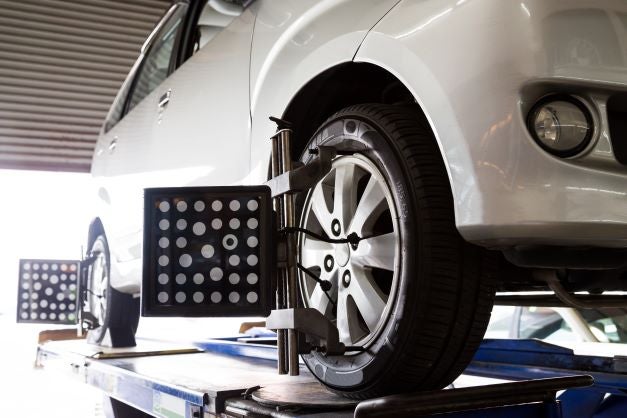
Whether you lease or own a vehicle, we all know the costly expense associated with replacing a vehicle's tires. While no tire (even top brands) will last forever, there are different ways to extend the life of your vehicle's tires. By following a regular tire maintenance routine, you can not only save money but also keep your passengers and other drivers safe on the road. We've compiled a list of the four top tips for prolonging the life of your tires. Tip #1: Check Tire Pressure Frequently We recommend that you take the time to check your tire pressure weekly. Simply unscrew the cap on your tire's air intake and hold a tire pressure gauge, allowing the air to flow out of the tire and into the gauge. When doing this routine check, it's important to make sure that all tires are evenly inflated. Make sure to consult your vehicle's owner's manual for the recommended pressure. Depending on where you look for the recommended pressure (car manufacturer or tire manufacturer) it's important to know that lower pressure improves drive performance while higher pressure will extend the tire's life. At the end of the day, always avoid over-inflating your tires, as this can cause extensive tread wear and reduces its life. more Tip #2: Physically Examine Tires While this tip doesn't need to occur weekly, it is recommended to visually inspect your tires for any cuts, holes or extensive damage. Roads are full of debris, some of which can be extremely sharp like glass. While a piece of glass in your tire might not cause a flat tire right away, it can cause a slow leak. You can avoid this by repairing any cuts and holes that you find. For bigger damage, it's a good idea to replace the entire tire. Tip #3: Rotate Tires Every 6,000 Miles Whether you rotate your tires every 6,000 miles or every time you visit a mechanic for an oil change, this tip is key for prolonging the life of your tires. Why? Keeping tires rotated will promote even tread wear. Keep in mind that each tire will wear unevenly, and tires in the front will wear differently than those in the back. Regular and proper tire rotation allows the tires to serve in all front and rear positions, which helps with even wear so that you don't need to replace them as often. Tip #4: Tires Should Be Properly Aligned Best kept to the professionals, mechanics will use specialty equipment to balance and align tires to make sure that they remain perpendicular to the ground and parallel to each other. If you notice poor vehicle handling or consistent pulling to the right or left, it's time to get your tires aligned. It's also a good idea to check tire alignment if you hit a pothole or curb at a high-speed. There you have it, some of the top ways you can help prolong the life of your vehicle's tires.

4 Reasons You Need a Garage

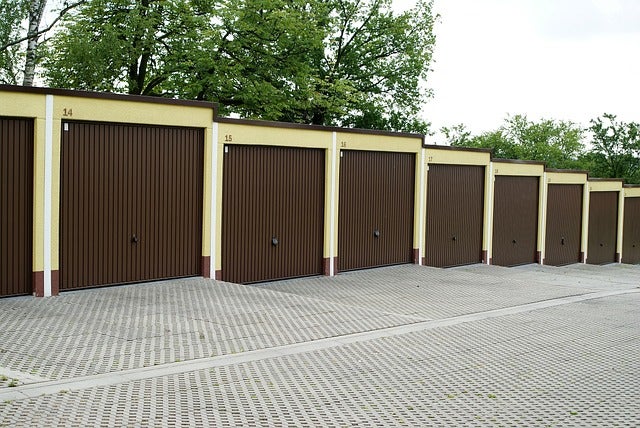
Locking up your car deters crime and keeps it in better condition, which increases aesthetics and resale value. In addition, some insurance companies offer discounted premiums to patrons who enclose their vehicles on their property. Ponder these reasons to cruise into the garage next time you arrive home. It Reduces Damage to the Exterior For most drivers, stowing automobiles prevents scrapes and dings. If you or one of your family members constantly tap the wall or the items that line it when parking, consider this life hack of dangling a tennis ball from the ceiling so it will touch the windshield while you still have a cushion of space in front of the bumper. more It Protects From Intense Weather Automobiles kept at moderate temperatures last longer. It's a fact highlighted in your owner's manual, which explains that maintenance needs to be scheduled more often for vehicles in extreme climates. Heating or cooling a car whose temperature is at the opposite end of the spectrum exhausts air conditioning and heating systems. Your garage minimizes this effect by insulating your vehicle from the weather outside. Reducing your car's exposure to heat is essential for optimal lifespan. A garage protects your vehicle from UV rays that damage the paint and excessive heat that contributes to the deterioration of all its parts, including the upholstery and engine components. Although you can place a sunshade in the windshield, that only reduces the temperature inside. It does not affect the coated metal exterior, which conducts heat that then spreads to the inside of the vehicle. It Saves You Time Garaged autos rarely collect ice, which requires valuable minutes to scrape off in the morning, delaying your departure. Likewise, by safeguarding your vehicle, you can avoid waking up to a shattered windshield caused by a fallen tree limb. The inside of a garage is also a safer place to load or unload groceries without opening yourself up to crime. It Encloses Potential Threats Most Americans store substances like propane, gasoline, and cleaning chemicals outside of their home to keep them out of the reach of young hands. Because of those items, your garage is a more likely place for a fire, which is the downside of parking there. Never cut a doggie entrance from the garage, because laws regulate the composition of any door between that storage area and the main residence. If you start the engine while the car is stowed, contemplate opening the outside door to release harmful carbon monoxide fumes. If your situation does force you to park on the street, choose a lit place and remove any valuables from sight. Select a spot where there is constant traffic, because thieves rarely steal with onlookers present. Wash and wax your vehicle regularly to prevent substances from attaching to the paint, causing it to deteriorate over time. If possible, find a shady area or build a carport to stop damaging rays from harming your set of wheels. Also make sure you consider the value of having a protected area for your vehicle the next time you purchase or rent a residence. Image by account_deleted from Pixabay

Don't Ignore These 4 Suspension Issues

When you're a car owner, you have to pay attention to problems that arise with your car. Fixing problems quickly helps keep your car running longer. If you're having trouble with the suspension, it's crucial to get these things fixed. Many suspension problems affect not only how smooth your drive is, but can also negatively impact other systems in the vehicle. Shock Absorbers One of the easiest suspension problems to detect is when the shock absorbers start to go. When this happens, you'll notice that your drive is a lot bumpier than it used to be. When the car starts bouncing around the road, replace the shock absorbers. Shocks contain fluid and help keep the tires planted firmly on the road. When the fluid starts to leak, bouncing is no longer able to be absorbed and dampened. Shock absorbers don't necessarily affect other systems, but without them your drive becomes extremely uncomfortable. more Wheel Alignment Part of the car's suspension system is the wheel alignment. If your wheels aren't aligned properly you literally may not be able to drive straight. Your steering won't be centered, and tires won't wear correctly. Your alignment can get thrown off by a variety of things, including potholes and curbs. Take your car in regularly to get the alignment checked. The most common time to get the alignment taken care of is when you get new tires put on the car. Not only does the wheel alignment make it more difficult to steer, it also affects how quickly you need new tires. Ball Joints The ball joints in your suspension system help absorb some of the up and down shock in the car, connect the suspension system to the wheel, and the joints rotate as you move the steering wheel. You can tell when the ball joints need replacement because you'll hear grinding and squeaking when you're turning. In some more severe cases ball joints may break and actually cause the suspension system to start dragging while you drive. If this happens, it's time to stop driving the car and get it to the shop immediately. Springs The springs hold the weight of your car up. However, because of the way the springs work, they can easily wear out. Once they start to wear out or break, you'll notice that the car is lower on one side than the other. If the car starts to sag toward the ground, it's time to get the springs checked. Remember, not getting your springs fixed can lead to more severe damage to the car in the long run. Other signs that the springs need to be repaired including problems going around corners and a strange noise when you go over bumps in the road. If you suspect suspension problems in your car, it's time to get it to the vehicle to a mechanic. Suspension problems make your entire drive worse, and can indicate other problems with the car, as well. Don't wait too long to get the car checked out.

How to Fix a Flat

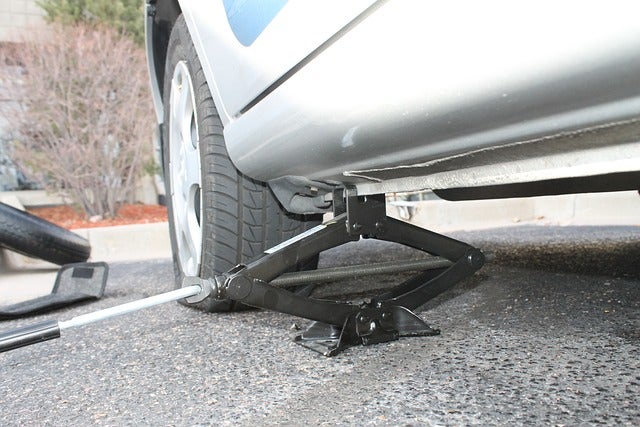
To the average motorist, there is nothing worse than sitting on the side of the road with a flat tire. Although you might prefer to call a professional to come out and remedy the situation for you, this might not always be possible. For times like this, know how to fix a flat for yourself so you can get back on your way in the least amount of time. As long as you have the right tools and knowledge, changing a flat tire is a fairly simple task. Follow this step-by-step process to help you get the job done quickly and safely. Pull Over in a Safe Spot If you find yourself with a flat tire, the first thing you need to do is find a safe and preferably flat place to park. Try to avoid grass or dirt, as these surfaces are typically not very stable and the jack might sink into the ground, causing the vehicle to fall. Turn off the engine and apply the parking brake, or put the car in gear to prevent it from rolling. If you have them, use a pair of wheel chocks to block the wheel opposite the flat tire. more Grab the Tools and Spare Tire Open your trunk and remove the spare tire, jack, and tire tools. Your owner's manual will tell you where they are located. If you have never used the jack included with your car, review the operating instructions first. These instructions will also indicate where the different jack points are on the car. Before You Jack Up the Car Before you jack up the car, you need to remove the wheel cover (if your car has one) and use the lug wrench to loosen the lug nuts. You need to do this while the wheel is still on the ground, as it might turn once it is off the ground. More importantly, the vehicle is very unstable once you jack it up. Raise the Vehicle Once you have loosened all the lug nuts, follow the instructions in your owner's manual to locate the jack and raise the vehicle up high enough that the wheel and tire clear the ground. Again using the lug wrench, completely remove all lug nuts and remove the flat tire and rim. Set these where you won't trip over them. Install the Spare Tire and Rim Install the spare tire and rim in place of the one you just removed, and then install all the lug nuts hand-tight. You want the nuts to be tight enough to hold the spare in place while you lower the vehicle back to the ground. Lower the Vehicle and Finish the Job Lower the vehicle down to the ground, and remove the jack. Using the lug wrench, tighten the lug nuts securely. Your owner's manual will show the proper tightening pattern. Then place the flat in the trunk along with all the tools, and you are ready to go. Remember most spares are for temporary use only and designed to operate at much slower speeds. Image by Nicholas Jackson from Pixabay

Contact Us

Fill out this form below and we'll contact you shortly
*Required Fields