

Blog / Car Maintenance

How to Fix a Flat

To the average motorist, there is nothing worse than sitting on the side of the road with a flat tire. Although you might prefer to call a professional to come out and remedy the situation for you, this might not always be possible. For times like this, know how to fix a flat for yourself so you can get back on your way in the least amount of time. As long as you have the right tools and knowledge, changing a flat tire is a fairly simple task. Follow this step-by-step process to help you get the job done quickly and safely.

Pull Over in a Safe Spot

If you find yourself with a flat tire, the first thing you need to do is find a safe and preferably flat place to park. Try to avoid grass or dirt, as these surfaces are typically not very stable and the jack might sink into the ground, causing the vehicle to fall. Turn off the engine and apply the parking brake, or put the car in gear to prevent it from rolling. If you have them, use a pair of wheel chocks to block the wheel opposite the flat tire.

Grab the Tools and Spare Tire

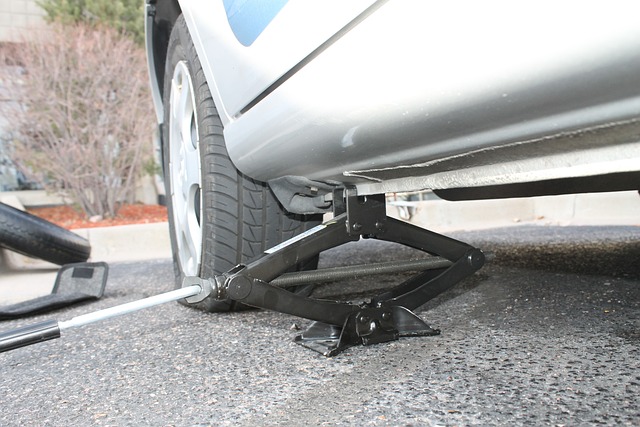
Open your trunk and remove the spare tire, jack, and tire tools. Your owner's manual will tell you where they are located. If you have never used the jack included with your car, review the operating instructions first. These instructions will also indicate where the different jack points are on the car.

Before You Jack Up the Car

Before you jack up the car, you need to remove the wheel cover (if your car has one) and use the lug wrench to loosen the lug nuts. You need to do this while the wheel is still on the ground, as it might turn once it is off the ground. More importantly, the vehicle is very unstable once you jack it up.

Raise the Vehicle

Once you have loosened all the lug nuts, follow the instructions in your owner's manual to locate the jack and raise the vehicle up high enough that the wheel and tire clear the ground. Again using the lug wrench, completely remove all lug nuts and remove the flat tire and rim. Set these where you won't trip over them.

Install the Spare Tire and Rim

Install the spare tire and rim in place of the one you just removed, and then install all the lug nuts hand-tight. You want the nuts to be tight enough to hold the spare in place while you lower the vehicle back to the ground.

Lower the Vehicle and Finish the Job

Lower the vehicle down to the ground, and remove the jack. Using the lug wrench, tighten the lug nuts securely. Your owner's manual will show the proper tightening pattern. Then place the flat in the trunk along with all the tools, and you are ready to go. Remember most spares are for temporary use only and designed to operate at much slower speeds.

Image by Nicholas Jackson from Pixabay 

Posted in:

Related Posts

Toyota Tire Care in Kingsport, TN - Toyota of Kingsport

Toyota Tire Care: Ensuring Safety and Performance

Do you feel like your tires don't bite the road quite like they used to? It's very disconcerting to lose confidence in your tires. The Toyota tire care tips below will ensure your tires stay strong on all road surfaces. more Measure Tread Depths For optimal grip strength, your tire treads will need void depths of over 2/32 of an inch. Once tires wear down to this level, they're unsafe to use. Measure the tread depths of each tire monthly and prepare to replace tires with overly shallow treads. Many drivers replace their tires even before the treads reach 2/32 of an inch, just to be on the safe side. Check Air Pressure Your tires are designed to function at a very specific PSI. It's essential to keep them inflated at precisely the air pressure stipulated in your owner's manual. Once a month, measure the air pressure in each tire; if the PSI is off, add or remove air. If a tire seems to be losing air persistently, have it examined for faults or hidden punctures. Rotate Your Tires Don't allow your tires to wear down unevenly. Uneven tread wear shortens tire lifespan, reduces traction, and increases the risk of weaker tires blowing out. Most drivers need a tire rotation twice a year. In addition, when checking your tires each month, look out for uneven wear patterns. Get Tire Alignments Tires can come out of proper alignment due to worn suspension components or knocks against potholes. This exacerbates uneven tire wear and leads to serious handling issues. Routine alignments will keep your tires properly parallel and safe to use; twice a year is suitable for most drivers. Balance Each Tire Tires naturally develop slight imperfections in weight distribution around the rim. This creates vibrations, uneven wear, and tire damage. You can resolve this problem with regular balancing every six months or so, where the technician adds weights to the rim at precise points to distribute weight effectively. Maintain Your Suspension Worn suspension parts will usually cause tire trouble. As these two components are so closely linked, try to keep your suspension in great shape, which will also preserve the tires. It's wise to have your suspension inspected and tuned once a year. Drive Patiently Aggressive driving puts unnecessary strain on many car parts, including the tires. When you accelerate and brake harshly, the rubber is worn out faster. Sharp corners at speed strain both the tires and suspension. Instead, drive more gently, and try to avoid potholes and rough road surfaces as much as possible. Schedule tire maintenance today with our experienced technicians at Toyota of Kingsport in Kingsport, TN. With prompt, courteous service and state-of-the-art methods, we'll keep your car safe and sure on the road.

Hybrid Care 101: Maintaining Your Toyota Hybrid for Efficiency

Hybrid cars, like your Toyota, combine the power of combustion engines and electric motors. This means you're driving an environmentally friendly car that doesn't just burn less gas but is also cheaper to maintain. To save money every time you hit the road, follow these great Toyota hybrid maintenance tips from your Toyota dealer. Drive Your Car Regularly The high-voltage battery pack stores energy from the engine and regenerative braking system. The car battery supplies power to the electrical system. Regularly driving your hybrid for a few miles will help maintain a proper charge. more Look After Both Your Batteries Taking care of both your hybrid and car batteries will keep them in top condition and make them last longer. Check your hybrid's owner's manual for the recommended maintenance intervals for both these batteries and stick to them. Our certified technicians will expertly handle all the necessary battery inspections and tests to make sure both batteries work perfectly and won't let you down. Don't Forget Your Engine Taking care of your hybrid's engine is still a very important part of maintenance. Even though your hybrid uses less oil, your engine will still need proper lubrication to minimize the wear. Check the oil level regularly and change the oil and the filter at the intervals recommended by Toyota to keep contaminants out and your engine clean. Change the Air Filters Your hybrid has an engine air filter and a fan filter for the air-cooled hybrid battery pack. The engine air filter keeps dust and dirt away from the engine, but when the filter gets dirty and clogged, your engine works harder and burns more gas. The fan filter keeps the battery cool and clean. By regularly replacing these filters, your battery and engine will last much longer. Check Your Brakes Regularly The regenerative braking system not only helps slow down your car but also recharges the hybrid battery. Even though hybrid brakes tend to last longer, they still need regular check-ups. Ask your Toyota technician, who knows and understands the regenerative braking system, to inspect your brakes regularly for your safety. Inspect and Rotate Your Tires Make a habit of inspecting your tires regularly for wear and damage, maintaining the correct pressure levels, and rotating them every time your car comes for an oil change. Hybrids have particular tire needs, so check your owner's manual for details and talk to us about the best tires for your car. Follow these tips and count on our certified Toyota technicians to keep your hybrid running at its best. For expert hybrid services, swing by Toyota of Kingsport, TN, today. Our team will answer all your hybrid questions and help you keep your Toyota in top shape.

Ensuring Your Toyota's Longevity: Key Maintenance Milestones

Toyotas are pretty legendary for their reliability and staying power, but even these road warriors need regular TLC to keep ticking along happily for as long as possible. Getting into a regular groove with your Toyota maintenance is key to keeping your car in top-notch shape. Here's the rundown on the essential upkeep your ride needs at the Toyota dealer. Toyota Maintenance to Keep Your Car Running Like New Oil Changes Oil changes are non-negotiable. Hitting that oil change reliably every 5,000 to 7,500 miles keeps your engine humming smoothly. Oil changes prevent premature wear on engine components, help keep your engine from overheating, and even keep things cleaner under the hood. Your Toyota's manual is your guide for nailing down the specifics. more Tire Care Tires are a big deal since they literally keep you rolling. An air pressure check every month and regular rotations when you change your oil makes sure your wear stays even and your gas mileage stays its best. Brake Checks Since stopping is an important part of every drive, keeping an eye on your brakes is crucial. Peek at those brake pads every so often (every 10,000 miles or so should do) and plan on swapping them out if they're worn, usually by 30,000 miles. Fresh brake fluid every couple of years keeps the whole system responsive. Keep an Eye on Your Battery The battery's got a lifespan of about 3 to 5 years, but life (and weather) happens. Check it yearly once you hit the three-year mark to avoid getting stranded. Look for signs like dim lights or slow starts as clues that it might be time for a new one. Fill Those Fluids Your Toyota's got a bunch of fluids coursing through it, from coolant to transmission fluid. Keeping them topped up and fresh is vital. Stick to the schedule for flushes and replacements to ward off overheating and other mechanical woes. Check your manual for the proper timeline for your car. Filter Changes Clean air filters mean a happy engine and a pleasant cabin. Swap out the engine air filter every 15,000 to 30,000 miles and the cabin air filter every 20,000 to 25,000 miles to keep dust and debris at bay. It's a simple switch that keeps performance and air quality up. Replace Your Spark Plugs Spark plugs might be tiny, but they pack a punch in starting your Toyota and keeping it running efficiently. If your ride starts getting a little sluggish or the fuel economy dips, worn spark plugs might be the culprits. They may need a refresh anywhere between 30,0000 and 90,000 miles, depending on the make and model of your vehicle. Team Up With Your Toyota Dealer for Maintenance Does all that maintenance seem overwhelming? It doesn't have to be! Head over to your local dealership for assistance scheduling all the maintenance your car needs to keep it running smoothly for miles and miles. Loving your Toyota means looking after it, so if you stick to the plan it will keep rolling reliably, just like it's supposed to. Call Toyota of Kingsport in Kingsport, TN, to schedule your next service today.