

Blog

All New Toyota Cars Kingsport Toyota Dealer Around Town Activities and Excursions Kingsport Toyota Service Car Maintenance Car Tips SUVs Driving Safety Toyota Trucks Car Features Tennessee Toyota of Kingsport Service About Toyota Car Buying Tips Toyota of Kingsport Toyota Performance Vehicles Hybrid Vehicles Fun Facts Kingsport Used Cars Toyota Tundra Travel Destinations Used Toyota Cars Car Warranty Information Fuel Efficient Toyota All-Wheel Drive Vehicles Electrified Vehicles Toyota History Toyota RAV4 Toyota Tacoma
Energy Innovations by Toyota in Kingsport, TN

3 Alternative Energy Innovations Coming to a Toyota Near You

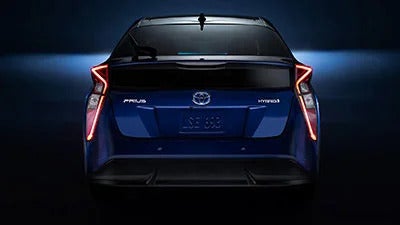
The increasing popularity of electric vehicles suggests that the future of the car industry lies in alternative energy sources. Car manufacturers have taken note, and they're spending a lot of time and money developing new technologies that will power vehicles without harming the environment. Toyota stands out as the most successful company in the race to discover alternative fuel sources. In 2015, the company received 4,214 patents for new technologies. That's nearly 2,000 more patents than any other car manufacturer. While no one knows when these new technologies will reach dealerships, you can expect to find these three alternative energy innovations in the near future. Magnesium Batteries Magnesium battery technology is one of the most promising breakthroughs for Toyota. Researchers working at Toyota's Research Institute of North America have found that they can build batteries that use magnesium instead of lithium, which currently dominates rechargeable battery technology. more The team hasn't perfected the battery yet, but it gets closer every day. At first, the researchers struggled to find an electrolyte that would work well with magnesium. That's a huge step forward to reaching their goal. Once Toyota completes this project, it will have the ability to make smaller, lighter batteries that can hold more electricity than lithium ion batteries. The researchers also believe they can develop a magnesium battery that costs less to manufacture. That would solidify Toyota's position as the world's most advanced maker of alternative fuel resources. Solar Recharging Toyota is exploring several technologies that could extend the range of electric vehicles. A solar recharging system, however, is one of the most innovative approaches. Toyota's exhibit at Smart Community Japan 2016 featured a redesigned Prius PHV with rooftop solar panels. If this technology reaches the consumer market, you could recharge your electric vehicle's battery just by driving on sunny days. The obvious limitation is that this system would only work well on days when the sun shines. Still, it's a smart idea that can improve electric vehicles when sunlight is available. Hydrogen Fuel The Toyota Mirai already gets power from hydrogen. The design takes air from the car's front intake grilles and pushes hydrogen fuel through a cell stack that generates electricity. You essentially have an independent power station built into your vehicle. One of the best things about hydrogen fuel is that it only expels water. The Mirai doesn't make any harmful exhaust. It just drips water out of the tailpipe. At the moment, Toyota's Mirai is only available in California. No other state has enough hydrogen fuel stations to support them. If it proves popular, though, the Mirai's success could encourage more fueling stations to include hydrogen. That would make it possible for drivers to generate their own electricity without adding pollution to the air. It's impossible to determine which of these technologies will succeed. They all have their benefits, but each also has its drawbacks. Toyota may decide eventually to use multiple technologies to create a new type of hybrid vehicle, or it may perfect one option that dominates the market. Image via Pixabay

Tips on Buying a Used Car in Kingsport, TN

4 Reasons to Consider Buying a Used Vehicle

When it's time to go car shopping, the big sticker prices, major commitments, and performance unknowns of a new vehicle can make the whole prospect less appealing. Perhaps it's time to consider a used car instead. There are a lot of benefits to buying used, from lower cost to more information about the car through reviews in publications and on Internet forums. If you're in the market for a vehicle and aren't sure if buying used is right for you, consider the following. 1. Lower Cost The most obvious reason to opt for a used car is the considerably lower price compared to new vehicles. All cars lose market value over time, but did you know that a car doesn't have to be old or well-worn in order to depreciate? Technically, the moment a new car drives off the lot, it depreciates by a considerable percentage. If you shop smart, you can find a car that's quite close to new, but at a fraction of the price. Just make sure to investigate the car's condition thoroughly before you buy, as unexpected maintenance can wipe out that price difference overnight. more 2. More Information We're living in an information-rich time. Not only are there professional publications like Edmunds and Kelley Blue Book that review cars, there are also countless Web forums and other services that allow everyday people to publish the nitty gritty about their real driving experiences. A car that came out a few years ago will have plenty of information out there about things like long-term fuel efficiency, common maintenance issues, and even the average depreciation of a given vehicle. You will be able to learn a lot prior to purchase. 3. Great for New Drivers If you're living with a teen or someone else who is just starting to drive, you know that it's probably not the smartest investment to give that new driver the latest model car. It's a big investment and not only will those more likely than normal dents and scuffs be more expensive to fix on a new car, the insurance premiums tied to the car might be more than you expect. Before you sign the lease on a new sedan for your eager 16-year-old, maybe consider a Honda Accord with a few years on it. A used car allows new drivers the freedom they want without as big an investment and more manageable associated costs. 4. New Isn't Always Better A given model of car undergoes design changes from year to year, which means that some nice features get cut in later models. Opting for a used car might actually get you the version of a vehicle with more features, more comfortable interiors, or even better safety ratings. With a little research, you can purchase a great used car for only a fraction of the cost of a new car. It's a smart investment and you may even find a hidden gem on the used car lot. Image via Pixabay

5 Tips for Trading in Your Car

A lot of people feel anxious about trading in their cars because they worry they won't receive a good value at the dealership. Follow these five tips to make sure you receive a fair price and positive experience. Keep Detailed Maintenance and Repair Records A dealership will want to know you have taken good care of your car. Giving them detailed maintenance and repair records proves that the vehicle is in top condition for its age, which could result with the dealership offering more money for it. Ideally, you should keep your oil change receipts as well as invoices for major repairs to provide proof of consistent maintenance to the dealership. more Fix Any Small Problems Small problems can make your car look unappealing, which will lower its value from a salesperson's perspective. Having small problems fixed now could mean you receive more money at the dealership. Small problems include things like dents, scratches, and peeling window tint. They don't cost much to fix, but they could lower your vehicle's trade-in value. Clean the Car Thoroughly Before Trading It In No one, including your dealership, wants to buy a dirty car. Spend some time cleaning the interior and exterior to make your car look its best. You may want to hire a professional to do the job for you. The better your vehicle looks, the more likely it is that you will receive a good trade-in value. Plus, dealerships can justify giving it a higher value because they don't have to spend time and money having the car detailed before putting it on the lot. Know What Your Car is Worth Most dealerships will give you a fair value for your car, but that doesn't mean you should trust them to have accurate information. Use a trustworthy source like Kelley Blue Book to find out how much your vehicle is worth. That way, you will know which offers to accept. Knowing the value of your car will also help you if you need to negotiate with the salesperson. Tell the Dealership You Plan to Trade in Your Car A popular myth says you shouldn't mention your trade-in until after you have negotiated the sales price of your new vehicle. This technique, known as parachuting, sounds like good advice, but it won't benefit you. Parachuting assumes that a salesperson can somehow manipulate you into accepting a lower trade-in value or a higher price for your new car. If you have done your research though, you already know the approximate values of both vehicles, so you don't need to withhold information. Besides, if you don't mention your trade-in upfront, then you will have to wait for the dealership to evaluate the vehicle. Depending on the time of day and type of car you have, this could take anywhere from a few minutes to over an hour. You don't have to feel nervous when trading in your car. Just be sure to follow these simple tips for guidance. Image by 3D Animation Production Company from Pixabay

5 Ways to Prepare Your Toyota for a Road Trip

A summer road trip is a perfect way to enjoy the warm weather and vacation at your own pace. Before you set off on a long road trip, make sure your Toyota is ready. By taking the time to prepare your vehicle, you can prevent breakdowns, and keep your road trip smooth from start to finish. Schedule Any Necessary Service If your vehicle is due for an engine tune-up or an oil change, be sure to schedule it before you leave on a long road trip. By keeping up with your vehicle's regular maintenance, it will be at its most reliable during your road trip. If possible, schedule any major servicing at least a month before you leave. This gives your mechanic time to address any problems that they might discover during servicing. more Top Up Your Fluids Check the level of your engine fluids before taking a road trip. Running out of fluids is inconvenient at best or disastrous at worst. You may not always be in a place where you can purchase new fluid if you start to run low. If you suspect you're going to need more windshield wiper fluid, purchase a container before you go, so you can top off no matter where you are. Check Your Tires It is important to check your tires to make sure they're inflated to the proper pressure. Driving with low tire pressure consumes more gas and can lead to a blowout. Also, be sure to check for bulges or tears in the sidewalls, which make the tire unsafe to drive on. Take a look at the tread on your tires, and note of any uneven wear, bald patches, or low tread. If you're concerned about tire safety, replace your tires before your road trip. Have an Emergency Kit Ready While you're preparing for a road trip, check to make sure your Toyota has an emergency kit. Your kit should include first aid supplies, a flashlight, a blanket, a tire gauge, jumper cables, and basic tools. During a summer road trip, make sure you take a supply of drinking water with you in case an emergency leaves you sweating on the side of the road. You should also have a few high-energy snacks, such as mixed nuts or granola bars with you. Update Your GPS Navigator A GPS navigator makes it easy to plan your trip and helps you locate gas stations, restaurants, and other important destinations. Before you hit the road, update your GPS so you have the latest maps available. Keep a paper road map in the vehicle as well in case you can't use your GPS navigation system. A paper road map won't break down, and you don't need to plug it in to use it. Enjoy the freedom of the open road with a summer road trip. Preparing your Toyota for your road trip properly allow you to relax knowing you've taken care of and are preventing potential problems. Image by Brian Tucker from Pixabay

30 Years of Adventure: History of the Toyota 4Runner

Toyota introduced its first version of the 4Runner in 1984. The manufacturer certainly thought it had built an SUV that would appeal to drivers throughout North America. The company's designers, however, couldn't have possibly imagined that they had created a vehicle that people would still love 30 years later. The 4Runner has undergone plenty of changes since its first generation. Once you understand the vehicle's history, you'll have an even deeper appreciation for its most recent incarnation. First Generation 4Runner (1984-1989) The first generation 4Runner was intended to give drivers a way to explore off-road environments. The earliest version featured a four-cylinder engine and plentiful cargo room for camping equipment. Over the next several years, Toyota updated the SUV's suspension, engine, and interior giving it a smoother ride and more luxurious interior features. more Second Generation 4Runner (1989-1995) The second generation continued these improvements. Toyota also added more diversity to the 4Runner's lineup. Starting in 1990, buyers could choose between two-door and four-door models. They could also opt for a two-wheel-drive version if they didn't want four-wheel-drive. Third Generation 4Runner (1995-2002) Toyota completely redesigned the third generation 4Runner. Buyers could now choose between a 2.7-liter four-cylinder engine that created 150 horsepower and 177 pound-feet of torque, and a 3.4-liter V6 that offered 183 horsepower and 217 pound-feet of torque. The design overhaul also gave the 4Runner a plush interior, especially with upper trim levels. The increased power and consumer options, however, make it stand out from previous versions. Fourth Generation 4Runner (2002-2009) After seven years of production, Toyota decided to build a new model of the 4Runner. The company increased the 4Runner's wheelbase and length to give it more stability on and off the road. Toyota dropped the four-cylinder engine and created new V6 and V8 engines. The updated V6 generated 245 horsepower and 282 pound-feet of torque. The V8 offered slightly less horsepower at 235 hp, but its 320 pound-feet of torque made it a monster on trails. Fifth Generation 4Runner (2009-present) Not surprisingly, the 4Runner's latest generation is superior to earlier models. The 2016 model comes loaded with impressive standard features like: Rearview camera Heated exterior mirrors Rear privacy glass LED taillights Keyless entry Toyota has dropped the V8 engine, but the V6 is stronger than ever. The 4.0-liter generates 270 horsepower and 278 pound-feet of torque, which is more than enough for exploring trails. The 4Runner now comes in more trim levels than ever. The base SR5 has trail-worthy features, but the Trail, TRD Pro, and Limited models pile on premium features and technology. While some of the features are purely cosmetic, others have a remarkable impact on performance. The Trail model, for instance, has a Dynamic Suspension System that automatically adjusts to rough, uneven terrain. The 4Runner has a long history of helping people explore the outdoors. With the advances included in the latest model, you have more reasons than before to leave the pavement behind for an off-road adventure.

Performance Upgrades Debut in 2017 Highlander

For the 2017 model year, Toyota has made several upgrades to the Highlander, its mid-size, three-row crossover SUV that has become one of the most popular family vehicles in its class. Among the many changes is the addition of an all-new SE trim package that offers upgrades to the exterior appearance and the suspension. Exterior Upgrades Although the 2017 Highlander maintains most of the 2016 model's good looks, the front end does sport an all-new grille with three slats and shiny chrome trim. The entire front seems to be larger and offers an aggressive look that gives the vehicle a more SUV-like appearance. The Highlander also sports a new set of headlights that come with more LED lights for accent, all of which are built into a completely new headlight housing design. more Interior Upgrades Much like the Highlander's exterior, the 2017 model's interior has not changed much from last year. However, there are some upgrades to the materials being used, including a new brown leather trim available in the Limited Platinum trim. Those who opt for the SE trim package will find seats covered in luxurious black leather with silver stitching and trim. The Highlander now sports four USB ports, bringing the total number of charging ports throughout the vehicle to five. You can choose between seating for eight with bench seats in the second and third rows or four captain's chairs and a bench in the third row. Powertrain and Drivetrain Changes to the 2017 Toyota Highlander run more than just skin-deep. In fact, you can find the biggest changes lurking under the hood. Here you will find an all-new 3.5-liter V6 engine that is more compact than the one in last year's model. The new engine features direct fuel injection designed to offer more power and even better fuel economy than before. Although final horsepower and torque ratings have not been finalized, they will be significantly higher than those found in the 2016 Highlander. The new engine will also be equipped with the latest in stop and start technology to help significantly improve fuel economy and a brand-new eight-speed automatic transmission. Not only is this all-new automatic more compact than last year's six-speed version, but it also offers an expanded lockup range intended to help with overall performance and fuel economy. This same engine will also appear in the Highlander hybrid due to be released later in the model year. In this particular vehicle, the engine will be mated to an existing CVT transmission. Safety Upgrades The all-new 2017 Toyota Highlander comes with the very latest in safety features, including the Toyota Star advanced safety system and the Toyota Safety Sense P Elements bundle. This system includes a pre-collision warning with automatic braking, pedestrian pre-collision warning, lane departure alert, automatic high beams, and dynamic radar cruise control. The 2017 Highlander is slated to be the best mid-size, three-row crossover SUV on the market when it hits the showroom in the fall of 2016.

How to Fix a Flat

To the average motorist, there is nothing worse than sitting on the side of the road with a flat tire. Although you might prefer to call a professional to come out and remedy the situation for you, this might not always be possible. For times like this, know how to fix a flat for yourself so you can get back on your way in the least amount of time. As long as you have the right tools and knowledge, changing a flat tire is a fairly simple task. Follow this step-by-step process to help you get the job done quickly and safely. Pull Over in a Safe Spot If you find yourself with a flat tire, the first thing you need to do is find a safe and preferably flat place to park. Try to avoid grass or dirt, as these surfaces are typically not very stable and the jack might sink into the ground, causing the vehicle to fall. Turn off the engine and apply the parking brake, or put the car in gear to prevent it from rolling. If you have them, use a pair of wheel chocks to block the wheel opposite the flat tire. more Grab the Tools and Spare Tire Open your trunk and remove the spare tire, jack, and tire tools. Your owner's manual will tell you where they are located. If you have never used the jack included with your car, review the operating instructions first. These instructions will also indicate where the different jack points are on the car. Before You Jack Up the Car Before you jack up the car, you need to remove the wheel cover (if your car has one) and use the lug wrench to loosen the lug nuts. You need to do this while the wheel is still on the ground, as it might turn once it is off the ground. More importantly, the vehicle is very unstable once you jack it up. Raise the Vehicle Once you have loosened all the lug nuts, follow the instructions in your owner's manual to locate the jack and raise the vehicle up high enough that the wheel and tire clear the ground. Again using the lug wrench, completely remove all lug nuts and remove the flat tire and rim. Set these where you won't trip over them. Install the Spare Tire and Rim Install the spare tire and rim in place of the one you just removed, and then install all the lug nuts hand-tight. You want the nuts to be tight enough to hold the spare in place while you lower the vehicle back to the ground. Lower the Vehicle and Finish the Job Lower the vehicle down to the ground, and remove the jack. Using the lug wrench, tighten the lug nuts securely. Your owner's manual will show the proper tightening pattern. Then place the flat in the trunk along with all the tools, and you are ready to go. Remember most spares are for temporary use only and designed to operate at much slower speeds. Image by Nicholas Jackson from Pixabay

Old disc brake on a car

5 Ways to Take Better Care of Your Brakes

The brake pads and shoes on your vehicle are designed to last for a very long time. Some brands even offer a specified mileage or guarantee their products for life. But the reality is that at some point they are going to wear out. One thing you can do is pay attention to your driving habits and follow a few easy steps to make sure you get the maximum lifespan out of your brakes. Watch That Left Foot You should never use your left foot to use the brake pedal. Instead, always use your right foot. If you look around while you are driving, you might be surprised at how many people are driving at cruising speed with their brake lights on. This means the driver has a foot on the brake pedal. No matter how lightly the driver is applying the brakes, the pads or shoes will wear far more quickly than intended. more Play the Memory Game If you drive the same routes every day, you probably already know where the stop lights and signs are and where traffic tends to slow down on a regular basis. Planning ahead and coasting when appropriate can help you reduce the amount of time you have to actually use your brakes. Pay Attention to Traffic By paying closer attention to the traffic and traffic lights ahead of you, you can learn how to time the lights and your speed to make sure you hit as many green lights as possible. You might also be able to see where traffic is backing up and find new ways to get around it that require you to stop less frequently, once again reducing the amount of wear and tear on your brakes. Lighten the Load Reducing the extra weight in your car can not only help save you money at the pump by increasing your fuel economy, but it can also help your brakes. The more weight you are hauling, the more difficult it is for your brakes to stop the car. This extra weight can and will cause extra wear on your brakes, so lighten the load and save your brakes. Saving a Penny, Spending a Dollar Never make the mistake of buying cheap brake pads and shoes. While doing this might save you money at the outset, it will only cost you more in the long run. Bargain pads might be cheaper, but they are only designed to last a very short time, as they wear quickly due to being made from inferior materials. Paying top dollar for premium pads will cost you more, but will provide many more years of service and offer better overall performance, making them a better choice. By following these simple steps, you can make your brakes last for a long time. It also pays to have your brakes inspected by a professional regularly to make sure they are wearing evenly and that there are no other mechanical problems or leaks. Image via Pixabay

Why the Toyota Corolla Endures 50 Years Later

Offering buyers a combination of exceptional gas mileage, great value for money, and one of the largest dealer networks in the world, it is no wonder the Toyota Corolla has become one of the best-selling cars in the world. When you look back over the course of the past 40 years, Corolla sales have averaged one vehicle every 40 seconds. What might surprise most people is that the Corolla earned this title as early as 1974 and by 2013 had sold over 40 million units. The Corolla has sold more units than the venerable Volkswagen Beetle, the Mini Cooper, and the Ford F150. Affordability is Only Part of the Picture While there are many reasons why the Toyota Corolla continues to endure and enjoy such incredible sales, many compare it to the Model T Ford in that it has always been intended as an affordable car. It not only comes with a low initial purchase price, but it also has low operating costs. Operation costs are gauged on more than one level. They include fuel economy, the cost of maintenance and repairs, and, of course, durability. However, as with any automobile, the initial outlay is typically the first thing most buyers look at, and the Corolla has long been one of the least expensive entry-level vehicles. The first Corollas came off the production lines way back in 1966 when the KE10 Corolla rolled into special dealerships in Japan. more Reliability is the Key to Success Whether you are talking about an automobile, a NASA spacecraft, or a fancy ballpoint pen, there is one very important reason one brand sells more and achieves the level of success that a car like the Corolla has managed: reliability and the ability to do exactly what the manufacturer has stated its product is capable of. The Toyota Corolla might historically have been one of those cars that seemingly hides in the background. However, if you keep producing a vehicle that continues to perform in exactly the same way as it was intended for 50 years, at some point, it will find its way into the limelight. It's products like this that seem to outlast all others. Innovation in its Simplest Form Just because the Corolla is an entry-level car does not mean it can't be ahead of the curve in design and features. Over the course of the past 50 years, the Corolla has gone from a rear-wheel-drive platform to front-wheel drive and even comes in all-wheel drive to meet the many driving conditions buyers are likely to encounter. Today's Corolla might no longer be the quiet, simple car that hides in the background. Instead, it offers sleek sporty styling, LED lighting, alloy rims, the Entune audio pack, and the latest 7.0-inch touch-screen infotainment system. With sales surpassing 43 million, the Corolla continues to be the best-selling car in the world and has a long future ahead of it.

Welcome sign for Graceland in Memphis, TN

The 5 Best Country Music Attractions in Tennessee

Tennessee is a beautiful state for anyone to visit, but it is especially popular among fans of country music. When you're ready for your own country music tour of Tennessee, put these five attractions at the top of your list. Graceland A visit to Elvis Presley's famous home in Memphis should also be on the bucket list of any country fan. Although Elvis is better known for rock and roll, his country influence was strong enough to earn him an induction into the Country Music Hall of Fame. The 14-acre estate includes Presley's mansion, private jet, almost three dozen automobiles, and other personal items and memorabilia. more Grand Ole Opry The Grand Ole Opry actually refers to a country music radio show based in Nashville. It has been on the air since 1925 and is often referred to as "country's most famous stage," perhaps contributing to the misperception that it is a building. You can buy tickets online to watch the show live at the Grand Ole Opry House. While you're here, be sure to check out the historic Ryman Auditorium, as well — where country stars in the 50s would perform during the Grand Ole Opry. This auditorium hosts the "Opry Country Classics" show on Thursday nights. Country Music Hall of Fame Another Nashville attraction, the Country Music Hall of Fame and Museum makes the list for obvious reasons. Nowhere else will you find such an impressive collection of country memorabilia. Current exhibits highlight Keith Urban, Dierks Bentley, Sam Phillips, musicians like Dylan and Cash who made Nashville the hub of country music, and the Bachman-Gretsch collection of vintage guitars. The core exhibit, permanent to the museum, walks guests through the history of country music. To complete the experience, catch a live show at the CMA Theater and tour the Historic RCA Studio B, located on Music Row. Dollywood Dolly Parton left her mark on Pigeon Forge, Tennessee when she opened her own theme park in 1986, appropriately named Dollywood. The 150-acre park includes roller coasters, live entertainment, and a water park. Summer is the best time to visit, as this is when the park hosts a 40-minute country music performance called "The Great American Country Show." The odds that you will run into Dolly Parton may not be too high, but you'll have a better chance here than in most places. Loretta Lynn Ranch In Hurricane, Tennessee you will find Loretta Lynn Ranch. More than just an homage to Loretta Lynn (one of country music's biggest stars), this ranch is the site of her current home. You can even tour the first floor. Also located on the property are her former home, a replica of her childhood home, and a few museums — including one that displays the dolls and gifts sent to the country star by fans. The best part? While these are some of the best country music attractions in Tennessee, this is by no means an exhaustive list. From the historic Printer's Alley to the Johnny Cash Museum, fans will find plenty more must-see stops for their pilgrimage to the state. Image via Pixabay

Recently repaired driver's side tail light

How to Replace a Broken Tail Light Yourself

A broken tail light may seem like something you should let a professional handle — especially on newer models, whose designs make the screws a bit harder to find. However, replacing a broken tail light is something you can easily do yourself. Here's how: Before You Start First, of course, you will need to purchase the replacement lens. In terms of actual tools, what you need is minimal. Just have a socket wrench, screwdriver, and crowbar on hand. All of these are good things to keep in your car anyway since they will come in handy in a variety of emergency situations. The ideal location for this repair would be your home garage, but that may not always be possible. If you are changing the tail light during a trip, try to find a covered spot away from moving cars. Otherwise, rain may force you to stop in the middle of the repair — and you don't want that. Make sure to employ the emergency brake if you park on an incline, and use road flares and reflective cones at night. Finally, remember to be firm but gentle during the removal and installation process. Force will be required, but too much can lead to broken pieces and ripped wires. more Step-By-Step Turn off the vehicle. This will eliminate the possibility of electric shock. Remove the fasteners. In older vehicles, you may find the screws on the outside of the vehicle. To achieve a seamless look, newer models typically place the screws somewhere less visible, such as in the trunk area. Depending on the type of fastener, you will either need a wrench or a screwdriver for this step. Twist out the bulb socket. This only requires a quarter turn counterclockwise and should release the tail light assembly. Separate the tail light assembly from the vehicle. This may require a good bit of force; you may need to use both hands or even a crowbar on some models. Remove the old lens. There will probably be a few screws or thumb nuts holding it in place. Insert the new lens. Remember to secure it in place with whatever fasteners held the old lens. Reinstall the tail light assembly. Twist the bulb socket clockwise until it locks into place and secure the tail light assembly with any screws or fasteners you removed earlier. Once you're finished, be sure to test the tail light to make sure it is working properly before you get back on the road. Video Tutorials If you're a visual learner, you may prefer to watch a video tutorial before attempting this yourself. In that case, it's best to key your search to the specific model you own. For instance, you can find a video tutorial for replacing the tail light lens on a 2013 Toyota Camry on YouTube. Other users have posted similar videos for their own vehicles. Next time you need to replace a broken tail light, skip the expensive visit to a mechanic. Instead, follow the steps above to complete this repair yourself. Image via Pixabay

A forest trail during the daylight

4 Free Things to Do in Kingsport, TN

Sometimes your budget just can't keep up with your need for fun and exciting things to do, but don't let money be the reason you stay home. Kingsport offers several free things to do — enough to keep anyone busy all year round. Here are four ideas to get you started. Enjoy a Weekly Outdoor Wonders Wander (W.O.W.W.) From March 1 through mid-May, Warriors' Path State Park will be holding a weekly nature walk for the public. These walks will last about an hour and will be held on Tuesdays at 3 p.m. Each will be led by a park ranger and begin at the Warriors' Path pool entrance. They could cover park trails, explore a meadow or stream, or focus on specific wildlife. All ages are welcome. If you cannot make one of these walks, Warriors' Path State Park is still a great place to visit. It boasts ten different hiking trails ranging from easy to moderate difficulty, as well as a biking trail and fishing opportunities. more Have Some Country Fun at the Exchange Place The Exchange Place is a living history farm that takes you back in time to the 1850s. It is open to the public from April through October. Not all of the festivals held here are free, but a good number are — including the Christmas in the Country events scheduled for December 3, 2016. Another example is Farm Fest 2016, which will be held on July 17 from 2 p.m. to 5 p.m. Come prepared for some old-fashioned family fun, from sack races to hayrides, as well as fresh summer food, farm animals, and nineteenth-century craft projects. Drive the Daniel Boone Wilderness Trail The Daniel Boone Wilderness Trail runs from Kingsport, Tennessee through the Cumberland Gap to Middlesboro, Kentucky. Although officially carved out by Daniel Boone in 1775, the route had been used by Native Americans for hundreds of years. Today, it makes for an excellent driving tour of the area. There are several notable sites along the way, starting with the Netherland Inn in Kingsport. You can find a map of the trail, complete with markers for nearby attractions and other helpful information online. Attend a SunWatch or StarWatch Although show tickets cost $4, there are other ways to benefit from the Bays Mountain Planetarium's presence in Kingsport. Two examples are the seasonal SunWatch and StarWatch programs. You can attend a StarWatch (held at the observatory) on Saturday evenings during March, April, October, and November. In the case of inclement weather, a live tour of the night sky will be held in the planetarium theater instead. SunWatch events, which allow you to safely view the surface of the sun through a filtered telescope, are held on Saturdays and Sundays from March through October at 3 p.m. If conditions are cloudy, SunWatch will be canceled. Whether you are a lifelong resident of Kingsport or just visiting, these free events and activities are worth checking out. With so many to choose from, there's no need to stay bored or cooped up inside just because you're running low on cash. Image via Pixabay

Contact Us

Fill out this form below and we'll contact you shortly
*Required Fields