

Blog

All New Toyota Cars Kingsport Toyota Dealer Around Town Activities and Excursions Kingsport Toyota Service Car Maintenance Car Tips SUVs Driving Safety Toyota Trucks Car Features Tennessee Toyota of Kingsport Service About Toyota Car Buying Tips Toyota of Kingsport Toyota Performance Vehicles Hybrid Vehicles Toyota Tundra Fun Facts Kingsport Used Cars Travel Destinations Used Toyota Cars Car Warranty Information Fuel Efficient Toyota All-Wheel Drive Vehicles Electrified Vehicles Toyota Camry Toyota History Toyota Hybrids Toyota Parts Toyota RAV4 Toyota Sedans Toyota SUVs Toyota Tacoma
Car paint

5 Keys to Protecting Your Toyota's Car Paint

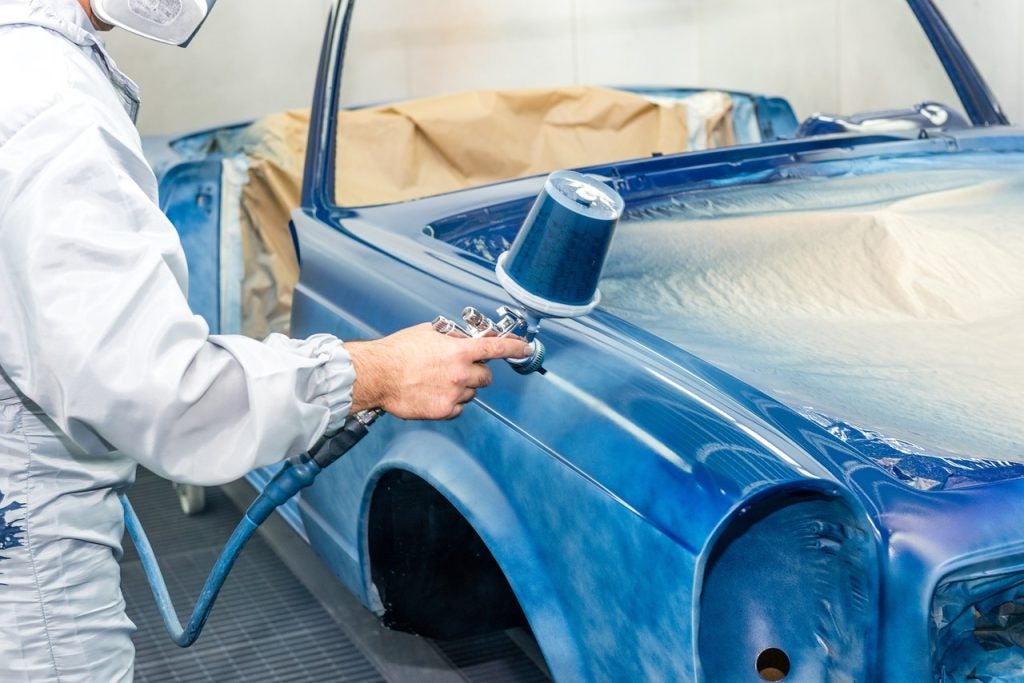
If you want your Toyota to look as good as new for thousands of miles, it's essential to protect the paint. To help you preserve your vehicle's appearance, your Toyota dealer provides helpful tips on the best car paint protection techniques. 1. Regularly Wash Your Car Washing your car at least once a week is your first defense against damage. Dust, dirt, and insects can damage the paint job, and due to their acidic nature, tree sap and bird droppings can eat away at the clear coat and the paint. To prevent this from happening, wash your car regularly with specialized cleaners to avoid stripping the wax. Use a microfiber cloth for drying to prevent streaks and scratches. 2. Protect the Paint From the Sun Protect your car from the sun by parking in the shade or under cover. Prolonged exposure to the sun's harmful rays can cause fading and oxidation of the color, which can ruin a car's finish faster than you think. To avoid damaging the paint, park under a carport or in a garage whenever possible. If you park in the shade, watch out for tree sap that will damage the paint. 3. Make Use of a Car Cover If you have to park your car in direct sunlight for extended periods, a high-quality, water-resistant car cover can work wonders to shield your car's paint from sun damage. Consider a metallic cover in a lighter color in summer, as it's the best option to reflect the sun's heat. 4. Wax Your Car Protecting your car's clear coat with paste wax, liquid wax, or detailing spray every few months will protect the paint against pollution, street salt, and the sun's harmful rays. Paste wax can remove fine scratches, liquid wax is easier to apply and buff off, and detailing spray offers quick protection but is less effective. 5. Apply Long-Lasting Protection There are a few options that will protect your vehicle's paint over a long period. Synthetic waxes or sealants in spray or liquid form can give your car a glossy finish, and the protection can last up to six months. Ceramic coating comes in a convenient spray bottle, is easy to apply, offers excellent protection against dirt, chemical damage, and minor scratches, and, although a bit more expensive, lasts longer. If you want to safeguard your vehicle's vulnerable areas against minor scratches and chips, applying a paint protection film to the hood, bumpers, and doors is a great option. Although costly, it provides the ultimate protection against wear and damage. If you want to protect your vehicle's paint from the elements and keep it looking shiny and new, drop by Toyota of Kingsport today. Our knowledgeable staff can provide more information on protecting your paint job and help you choose the best paint protection technique.
Introducing the 2024 Toyota Grand Highlander

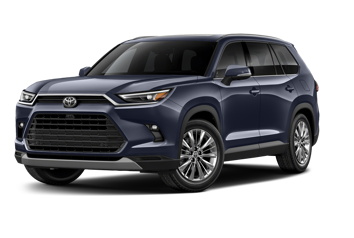
The roomy and sophisticated 2024 Toyota Grand Highlander is one of the greatest family vehicles on the market today. It's versatile, powerful, and has space for everything you need. Check it out at your local Toyota Dealer. Big Enough for All No matter how many people you have in your party, this Grand Highlander model can handle them all thanks to a third row that provides plenty of room to stretch out. Eight people can fit comfortably in this vehicle and even stretch their legs on longer drives. Plus, you'll enjoy an enormous 97.5 cubic feet of cargo space, and thanks to a hands-free power liftgate, you'll be able to load up everything quickly and easily. In addition to the space, you'll find lots of space for all your gadgets, including storage in the front and back of the vehicle. Performance That Won't Let You Down This vehicle is one of the most powerful ones you'll find on the market today, thanks to a 2.4L turbocharged engine and 310 pounds of torque. Thanks to the 8-speed transmission, you'll always be prepared for every road condition, and all-wheel drive keeps you safe and stable in any weather. This ride lets you feel comfortable exploring city and country roads. Plus, there are several drive modes, so you can choose the one right for you. Select Multi-Terrain, Trail, Eco, or Normal mode. Great Interior Amenities The inside of this vehicle aims to please everyone with three different climate control zones so everyone can select the ideal temperature for the ride. Plus, there's a heated steering wheel, ventilated and heated seats, and seven intelligently placed USB cords throughout the vehicle so that everyone can easily charge their devices. Technology That Works for You These vehicles come with state-of-the-art technology designed to help you navigate the road and react to sudden changes or obstacles. Excellent features like Traffic Jam Assist help you seamlessly accelerate and brake to go with slower traffic flow. The Digital Rearview Mirror With Homelink allows drivers to get a crystal-clear picture of everything going on behind the vehicle and even automatically sharpens the picture or eliminates glare, and the Panoramic View Monitor allows you to have eyes around you in every direction, quickly alerting you to everything that might come into your path. Multimedia for Everyone Thanks to excellent multimedia features, everyone will stay entertained even on longer rides. The 12.3-inch Toyota Audio Multimedia system uses voice recognition to provide you with up-to-date directions or change up your music or podcasts. It's also fully compatible with Apple CarPlay and Android Auto. You'll have complete control over your entire catalog and never have to take your eyes off the road. This vehicle will certainly never let you or your family down. Stop in to Toyota of Kingsport and take one of these models for a spin today.

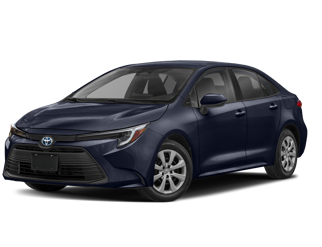
Trim Levels of the 2024 Toyota Corolla

When it comes to compact cars, nothing can beat the 2024 Toyota Corolla. This flagship model has a few upgrades this year, including hybrid models for eco-conscious drivers. Learn more about the exciting features of this great sedan before you visit your Toyota dealer. Trim Levels of the 2024 Toyota Corolla The 2024 Toyota has four trim levels for drivers to choose from. Each of these trims has a 2.0-liter, four-cylinder dynamic force engine, which can generate 196 horsepower. Front-wheel drive and a dynamic shift continuously variable transmission are standard for all four trims. Other standard features for all trims are an eight-inch Toyota Audio multimedia touchscreen, a six-speaker audio system, and Toyota Safety Sense 3.0. LE The LE trim gets 32 MPG in the city, 41 MPG on the highway, and 35 MPG combined. This base trim level has standard 16-inch steel wheels with covers, LED headlights, LED taillights, and LED daytime running lights. Automatic climate control, 60/40 split-fold rear seats, and a multi-function remote keyless entry system are also standard. SE The SE trim builds on the base LE trim with standard features such as 18-inch graphic-colored alloy wheels, a single exhaust with dual chrome tips, and a Sport mesh front grille in Gloss Black. This trim gets 31 MPG in the city, 40 MPG on the highway, and 34 MPG combined. The SE trim has a smart key system with push-button start. Nightshade The Nightshade trim has a few interesting exterior details, such as blackout badging, black heated power outside mirrors, and 18-inch bronze-finished alloy wheels. This trim also has Sport seats with sport fabric inserts and a 4.2-inch color TFT multi-information display. The Nightshade trim has Normal, Sport, and Eco driving modes. XSE The highest trim level has standard features such as SofTex-trimmed seats, heated front seats, and a steering wheel with paddle shifters. A power tilt moonroof with a sliding sunshade and gray metallic sport side rocker panels allow the XSE to stand out. This trim also supports wireless smartphone charging and has a seven-inch fully digital gauge cluster. Ask Your Toyota Dealer About Corolla Hybrid Models In addition to the four gas trim levels, the 2024 Corolla also has four hybrid models. Each of the hybrid rims has a 1.8-liter, four-cylinder engine that produces 138 horsepower. Front-wheel drive and an electronically controlled continuously variable transmission are standard for each hybrid trim. The hybrid SE and Nightshade trims have a combined EPA estimate of 47 MPG, while the hybrid XLE and LE trims get 50 MPG combined. A hybrid Corolla is a great option if you want to maximize your fuel economy. The 2024 Corolla is an excellent car for urban drivers and commuters. Contact Toyota of Kingsport to schedule a test drive of your favorite gas or hybrid model today.

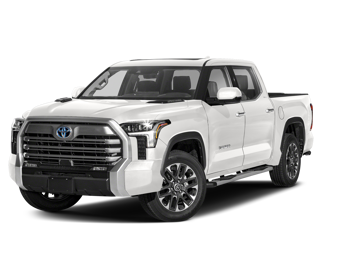
A First Look at the 2024 Toyota Tundra

In the world of full-sized pickups, Toyota's Tundra has earned legendary status thanks to its unbeatable reliability, strong performance, and practical interior. At their local Toyota dealership, buyers will be wowed by its advanced technology and a long list of creature comforts. Here's your quick guide to the 2024 Toyota Tundra! Engines and Transmission The Tundra offers three flavors of its twin-turbocharged 3.4L i-Force V6 engine. While the SR model gets a 358-horsepower engine, other trims have been fitted with a 389-horsepower version of the engine that also increases torque from 406 lb-ft to 479 lb-ft. The most powerful motor is the available i-Force Max, a hybrid power plant that puts out a whopping 437 horsepower and 583 lb-ft of torque. All options will be mated to a lightning-quick 10-speed automatic transmission that boasts precise gearshifts, manual sequential shifting, and uphill/downhill shift logic. Off-Road Capability Every Tundra is available with Toyota's dependable 4WDemand four-wheel drive system, complemented by an electronically controlled two-speed transfer case and an automatic limited-slip differential. Adding a locking rear differential further enhances traction. The four-wheel drive system can even be optimized for specific environments with its optional Multi-Terrain Select system and its mud, rock, sand, and mogul modes. When fitted with the Adaptive Variable Suspension, the Tundra continually adjusts its dampers to ensure confident handling and a smooth riding experience while navigating through rough terrain. Towing and Hauling The Tundra's sturdy construction and plentiful torque allow it to tow a maximum of 12,000 pounds. Payload capacity is impressive, as well, at up to 1,940 pounds. The bed itself is reinforced with a combination of aluminum and a high-strength, sheet-molded composite material, resulting in an incredible resistance to impacts. There are two available tow/haul modes, so you'll enjoy easy handling, whether you're pulling a small boat or a large camper. An available deck rail system provides a variety of ways to secure your cargo, and it can accommodate everything from camping equipment to ATVs. Interior In its Double Cab form, the Tundra seats five people and has longer bed lengths at 6.5 feet and 8.1 feet. Featuring a 5.5-foot-long bed, the CrewMax is ideal for families with its generous legroom of 41.6 inches. The attractive interior features a streamlined look with very user-friendly controls and lots of storage compartments and cubbies. Available wood trim and genuine leather upholstery make the cabin extra inviting. Other premium options include heated and ventilated seats, a 10-way power driver's seat with lumbar support, and a 10-inch heads-up display. As for infotainment, you'll be able to choose between an 8- or 14-inch Toyota Audio Multimedia touchscreen with wireless Apple CarPlay/Android Auto, mobile Wi-Fi support, and SiriusXM satellite radio compatibility. Incorporating years of refinement, Toyota's Tundra continues to hold its place as one of the top pickup trucks on the market. Contact Toyota of Kingsport today and schedule your test drive!

3 Reasons to Get Your Toyota a Tire Rotation

Driving your Toyota feels like a dream with its smooth handling, purring engine, and unmistakable reliability. But like every good relationship, your bond with your Toyota needs regular check-ins. One piece of maintenance you should be doing at your Toyota dealer is tire rotation. If you've been skipping this step, think again. It can make a big difference to your ride. 1. Ensure Even Tire Wear Every time you set off on a journey, be it a quick dash to the grocery store or a lengthy road trip, your Toyota's tires wear down a little. However, they don't all wear down at the same rate. The front tires, for instance, wear out more quickly, and at uneven rates. The rear ones, on the other hand, tend to wear slower and more evenly. So, without a rotation, you might end up with two tires looking older than their age and two looking comparatively fresh. By rotating your tires regularly, you can make sure all four tires wear out evenly, offering you consistent traction and handling. It's kind of like giving your tires a mini-vacation from their usual position. 2. Save Some Green By regularly rotating your tires, you can stretch out the lifespan of your entire tire set. Even wear means they'll hit their retirement point together, allowing you to replace the entire set at once. Often you'll find deals when buying a set of four, which can be kinder to your bank account than replacing them one at a time. Unevenly worn tires can also make your car work harder, reducing its fuel efficiency. More trips to the gas station really add up over time. Additionally, tires with uneven wear can have a reduced lifespan, leading to earlier-than-expected replacement costs. 3. Smoother, Safer Rides Have you ever felt your car vibrating oddly at higher speeds, or found it pulling to one side? Uneven tire wear might be the culprit. Tires that have worn unevenly can lead to an unbalanced car, affecting its handling and performance. It can also impact brake efficiency, especially in tricky situations like wet roads. Visit Your Toyota Dealer to Rotate Your Tires Regularly rotating your tires helps pamper them and ensure that they last a long time. Generally, the sweet spot for tire rotations is every 6,000 to 8,000 miles, but your Toyota's manual or the experts at the dealership can provide specifics tailored to your model. Next time you're thinking of a little TLC for your Toyota, pop over to the dealership. If it's time to get those tires rotated, schedule a service appointment with Toyota of Kingsport today.

Car maintenance tips

5 Car Maintenance Tips to Keep Your Toyota in Top Shape

We get it. You're busy. Between work, family, and the many other obligations you have, life is hectic. Sometimes it's easy to let car maintenance slide, but staying on top of the recommended services for your vehicle will keep it in tip-top shape, and your local Toyota dealership can help. 1. Stick to a Regular Schedule of Oil Changes Regularly changing the oil in your car is an easy way of keeping it in good condition. Clean oil lubricates the engine and keeps it working efficiently. Conventional wisdom is to schedule an oil change every 3,000 miles, but if you're using synthetic oil you can go for longer intervals. Each time you take your car in for an oil change, the mechanic will inspect the vehicle, replenish any automotive fluids that are low, and alert you to any emerging problems. So the oil change appointment also serves as a general wellness visit for your vehicle. 2. Check Your Tire Pressure Keeping your tires inflated to the proper pressure offers a host of benefits. It ensures that your vehicle is burning fuel efficiently and that your tires are wearing evenly. Tires that wear unevenly are unsafe to drive on and can strain the vehicle's suspension, brakes, and other automotive systems. In addition to monitoring your tire pressure, you should have the tires rotated at regular intervals. 3. Read Your Owner's Manual It may not be the most exciting thing you ever read, but your vehicle's owner's manual is a great resource for maintaining your vehicle. This manual spells out when manufacturer-recommended services should be scheduled. It also contains information on what type of gasoline and motor oil should be used, and how to diagnose vehicular problems. Every Toyota model is a little different, so your owner's manual is the best way to understand your vehicle. 4. Use the Right Octane Some drivers are tempted to use a higher octane fuel with the theory that more is better. But sticking with the octane that your car was designed to run on keeps it functioning at optimum efficiency. 5. Visually Inspect Your Car Take a few minutes every once in a while to look at your car, noting anything about the exterior that needs to be addressed. Are there cracks in the windshield? Are the tires fully inflated? Are your headlights emitting bright, clear beams of light? Small maintenance concerns can grow into big ones if they aren't addressed, so it's important to pay attention to the parts of your vehicle that need repair. Maintaining your vehicle doesn't have to be difficult. Following a few simple tips will keep your car, truck, or SUV on the road for years to come. When you're ready to schedule your next service appointment, call Toyota of Kingsport.

Does Your Toyota Need a New Car Air Filter?

We all know how much love and care we pour into our Toyotas. From taking it to the Toyota dealer to ensure the oil is fresh to checking the tire pressure, regular maintenance can help keep your car running smoothly. There's one little component under the hood that may escape regular attention, however: the car air filter. What Does the Air Filter Do? The air filter of your vehicle acts a bit like its lungs. Just like we need clean air to breathe, your Toyota's engine needs clean air to function at its best. The air filter ensures that the air entering the engine is free from contaminants like dirt, dust, and other pesky particles. Having a clean air filter allows for better combustion, improves fuel efficiency, and overall, helps you have a happier, healthier engine. Signs Your Toyota May Need a New Car Air Filter Not sure when it's time to swap out that old filter for a new one? There are a couple of signs that you can watch out for to be sure you don't leave your car struggling with a dirty filter. Drop in Fuel Efficiency If you've noticed that your car's miles per gallon have taken a little tumble, it might be due to a dirty air filter. When it's clogged, the engine has to work harder, using up more fuel in the process. Weird Engine Sounds When idling, your Toyota's engine should purr like a contented cat. However, if it's making odd noises or sounds rougher than usual, it might be gasping for cleaner air through a dirt-clogged filter. Reduced Horsepower Remember the oomph you feel when you press down on the accelerator? If your car has started feeling sluggish when accelerating, a choked air filter might be the culprit. Black Smoke or Flames From the Exhaust If your exhaust is emitting black smoke or even small flames, it's a pretty clear sign that something is wrong. The engine may be getting too much fuel and not enough it, leading to unburned fuel escaping through the exhaust. Check Engine Light If your check engine light flashes on, don't panic. While the light can turn on for a variety of reasons, a clogged air filter can be one of the simpler causes. Visual Inspection Sometimes the simplest way to tell is just to take a peek! If you open up the air filter and it looks dirty, clogged, or dark, it's a clear indicator that it's time for a change. Replace Your Air Filter at Your Toyota Dealer While it might seem like an air filter is a minor piece of your car, it plays a pivotal role in keeping your Toyota running smoothly. Fortunately, checking and replacing it is a straightforward task that won't break the bank. The experts at your local dealership will have you and your car in and out in no time! Give your Toyota the breath of fresh air it deserves! Not only will it reward you with better performance and fuel efficiency, but you'll also know you're doing your part to keep it running smoothly. If you think it's time to make the change, visit Toyota of Kingsport to give your car the care it needs.

How Long Has It Been Since Your Toyota Had an Oil Change?

Modern synthetic motor oil performs several vital functions, including lubricating moving engine parts, reducing friction and wear, cleaning out debris, dirt, contaminants, and deposits, keeping the temperature down, maintaining hydraulic pressure, and more. If you allow your oil to grow too old and degraded, you're putting your engine at risk in multiple ways. With this in mind, let's look at how often you should visit your local Toyota dealership for a routine oil change. Change Your Oil At Least Every Six Months For the average driver, synthetic motor oil will usually stay in good working condition for 5,000 to 7,500 miles. This usually works out to about six months of driving. If you're on the road much more than most drivers, consider having your oil refreshed more frequently than this. Keep Your Warranty Valid By Changing Oil Often If you have a valid powertrain warranty, it's wise to change your oil as regularly as the warranty stipulates. This provides you with the reassurance that your engine is covered in the unlikely event of a serious malfunction. Consider the Severity of Your Driving Conditions When a car's engine and motor oil are put under excess pressure by tougher, more severe driving conditions, the oil wears down faster and needs to be replaced more frequently. Severe conditions might include regular short drives of under five miles; these short trips don't give the oil enough time to properly warm up and lubricate, thereby causing additional wear and tear. Signs That You've Already Left It Too Long If you're unsure how long ago you last changed your oil, you can use the dipstick to check the condition of the oil's condition. New motor oil is amber and translucent. As the oil ages, it becomes thicker and dirtier, so if you can't see the dipstick through the oil, it's probably time to have it changed. A few more warning signs include strange scraping or knocking sounds from the engine as friction rises, dropping engine power, and dark smoke emitting from the tailpipe. Degraded oil is also likely to cause your dashboard's check engine light to come on. Schedule Routine Servicing at Your Toyota Dealership The best way to stay up-to-date with your oil servicing visits is to schedule them at your local dealership. The technicians can judge how severe your typical driving conditions are, set up a suitable schedule, and send you reminders whenever the arranged date is approaching. Visit Toyota of Kingsport today to have your oil refreshed by qualified professionals. We're a local award-winning, family-owned dealership that's been providing the drivers of greater Kingsport with top-notch vehicles and customer service since 1978.

Time for New Tires? Visit Your Toyota Dealer

With over 11,000 crashes caused each year by blowouts or skids, tire failure is a risk that every driver should take seriously. New tires are far less likely to experience problems than old, damaged, or worn-down tires. If you notice any of the following signs of tire trouble, head to your local Toyota dealer for a new set of tires without delay. Aging Tires No matter how good the condition of your tires, it's wise to replace them after they reach a certain age. Most tire manufacturers will recommend tire replacements after six years or so. Check the recommended age limit for your own particular brand. Even if you drive less frequently and far than the average driver, tire rubber tends to wear down and lose strength over time, eventually becoming unsafe to drive on. Well-Traveled Tires Another metric to pay attention to is how much usage you've put your tires through. After a certain number of miles, all tires eventually need to be replaced. It's best to know the mileage limit on your tire manufacturer's warranty and replace your tires once you reach that number. This is often around 60,000 miles, though the figure will vary from brand to brand. Shallow Treads No matter the age or mileage, if a tire's tread depth becomes too shallow to grip the road reliably, it's time for replacement tires. The minimum safe tread depth is usually considered to be 2/32 of an inch. During winter, when you need more tread depth to maintain traction on slippery surfaces, you may want to replace your tires before their treads become this shallow. Bulging Rubber Internal damage can sometimes cause the external rubber of tires to bulge. If you ever notice a bulge in one of your tires, have it checked at once by a technician. An internal puncture may have caused the bulge, meaning the tire is no longer safe to use. Excessive Cracks Small cuts of holes in a tire may be reparable, but multiple cracks spreading throughout the sidewalls usually mean the tire has to go. Cracks are often caused by the rubber's chemicals and moisture dissipating, leaving the rubber brittle, inflexible, and susceptible to damage and blowouts. Plummeting Pressure Tire pressure should always be maintained at the optimal level recommended by the vehicle's manufacturer. If your monthly air pressure checks or automatic tire pressure monitor ever shows you that a tire is steadily losing air, you may have a hidden puncture on your hands. Any tire that can no longer hold air reliably will usually have to go. Have your tires checked, rotated, or replaced today at Toyota of Kingsport. Since 1978, our award-winning family-owned dealership has been taking care of the region's drivers with excellent vehicles and customer service.

6 Signs Your Toyota Needs a New Muffler

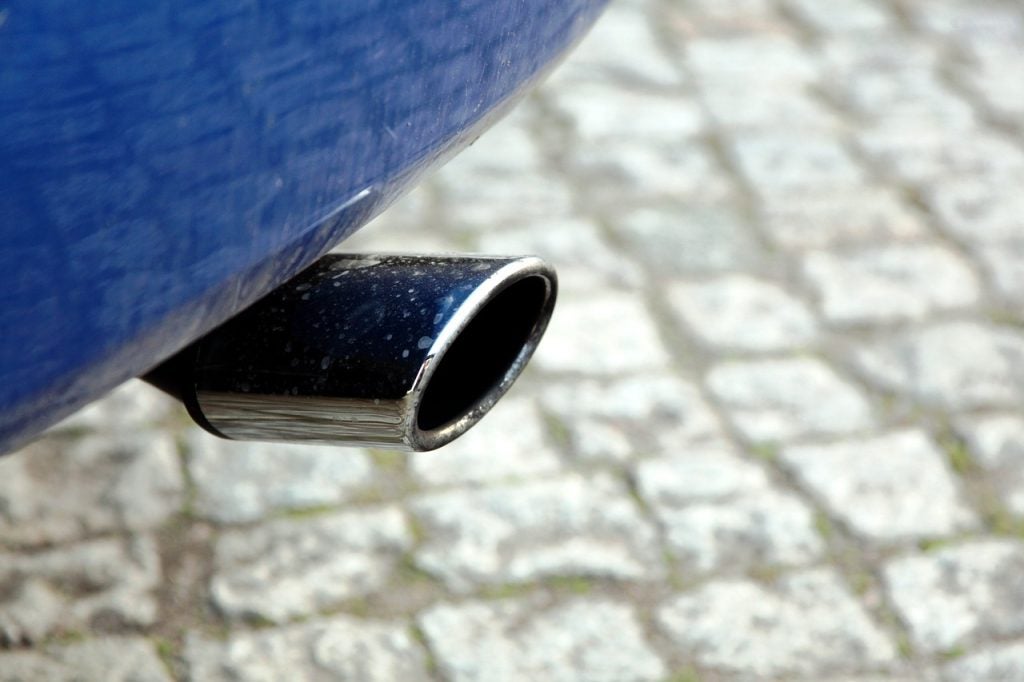
Mufflers ensure the quiet operation of your Nissan and direct exhaust gases safely away. Understanding the signs that you need a new muffler from your Toyota dealership will help you preserve the longevity and performance of your car. Unusual Noises From the Rear If your Toyota begins to make roaring or rumbling sounds, especially when you accelerate, it's a clear indication that there's an issue with your muffler. Over time, the internal parts of a muffler can wear out or become damaged, leading to these louder sounds. It's always best to take it to a professional when you notice these noises to prevent potential exhaust system failure. Decreased Fuel Efficiency A damaged or failing muffler can lead to a decrease in your Toyota's fuel efficiency. If you've noticed that you're making more frequent trips to the gas station despite no significant change in your driving habits, your muffler might be the culprit. An inefficient exhaust system can actually be holding back your whole engine, leading to increased fuel consumption. Bad Odors The primary function of the muffler is to redirect exhaust gases away from your vehicle. A compromised muffler may fail to do this efficiently, leading to an accumulation of these gases. If you start to smell a strong, unpleasant odor while driving or when your car is idling, it's a sign that these gases are not being properly vented. This is more than just a nuisance; prolonged inhalation of exhaust fumes can be very harmful to your health. Visible Damage or Rust It's always good practice to occasionally inspect your Toyota's undercarriage. If you see visible holes, rust, or any other form of damage to your muffler, it's time to consider a replacement. Rust and corrosion can eat away at the metal, causing structural issues that can lead to the muffler's failure. Excessive Condensation From the Exhaust Pipe While some condensation from your exhaust pipe is normal, especially in colder weather, excessive water dripping can be a sign that your muffler is not functioning properly. Over time, internal rust can form due to this moisture, too, leading to potential muffler failure. Vibrations If you feel unusual vibrations in your vehicle, especially around the steering wheel or foot pedals, it might be linked to a problem with your muffler. This can be caused by holes or cracks in your exhaust system. At Toyota of Kingsport, we're dedicated to making sure your Toyota always gives you the performance you've come to expect. If you notice of these signs of a failing muffler, don't wait. Contact the Toyota of Kingsport service center right away.

Scenic Drives in Tennessee

5 of the Best Scenic Drives in Tennessee

You'll never be short of scenic drives when traveling through Tennessee. Whether you live in Kingsport, TN or elsewhere in the state, you can find plenty of unique visual experiences behind the wheel. 1. Roan Mountain (Nearest Kingsport, TN) It's an hour's journey from Kingsport to Roan Mountain, but the real beauty is found once you arrive in this small village. The views of the mountain itself will delight you, and you can enjoy the day by perusing the delights of Roan Mountain State Park. 2. U.S. Highway 129 (The Tail Of The Dragon) This route is nicknamed The Trail Of The Dragon because it features hundreds of curves along its 11-mile distance. For this reason, it's a popular road for motorcycle races. Yet, if you take the road at an orderly pace, you'll notice it's a picturesque journey. The best views come courtesy of the Great Smoky National Park, which the highway borders. Despite being a mid-size SUV, the 2023 Toyota RAV4 offers the pristine handling to take on this road without fear. You and up to four passengers will be able to appreciate the ride in great comfort thanks to the modern, spacious interior of this vehicle. 3. Cades Cave Loop Road This is another enjoyable journey within the vicinity of Great Smoky National Park. You'll enjoy plenty of memorable views of the surrounding mountains along this 12-mile route. If you're lucky, you'll spot plenty of the wildlife who call this area their home. This route is reserved for cyclists and hikers on Wednesdays during the summer months, but it's OK for motorists every other day of the year. 4. Cherohala Skyway This 42-mile route connects Tellico Plains in south-east Tennessee with the town of Robinsville in North Carolina. It's named after Cherokee and Nantahala forests since it passes through both of them. It was labeled as a National Scenic Byway back in 1996. You'll experience great views of both forests on this state-maintained highway. The gradients become as steep as 9% at some points. There are plenty of suitable spots for those who enjoy hiking or picnicking in nature with family and friends. 5. Ocoee Scenic Byway Ocoee Scenic Byway was the first route to be labelled a National Forest Scenic Byway. It comprises U.S. Highway 64 and Forest Road 77. Along this route, you can enjoy the sights of the Ocoee River Gorge, Chilhowee Mountain, Cumberland Mountains, Tennessee Valley, and the mountains of Georgia. If you're considering buying a new or used Toyota vehicle, pay us a visit at Toyota of Kingsport. Our team of experts will be delighted to assist you in ensuring you choose the vehicle that best suits your needs.

Toyota new muffler

6 Signs Your Toyota Needs a New Muffler

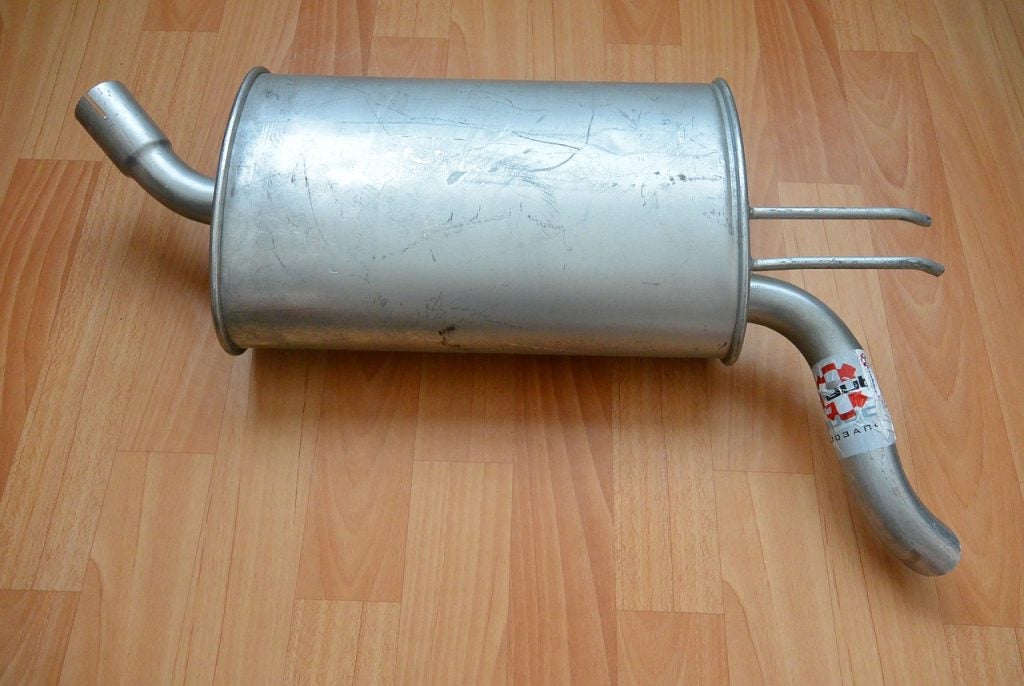
Mufflers ensure the quiet operation of your Nissan and direct exhaust gases safely away. Understanding the signs that you need a new muffler from your Toyota dealership will help you preserve the longevity and performance of your car. Unusual Noises From the Rear If your Toyota begins to make roaring or rumbling sounds, especially when you accelerate, it's a clear indication that there's an issue with your muffler. Over time, the internal parts of a muffler can wear out or become damaged, leading to these louder sounds. It's always best to take it to a professional when you notice these noises to prevent potential exhaust system failure. Decreased Fuel Efficiency A damaged or failing muffler can lead to a decrease in your Toyota's fuel efficiency. If you've noticed that you're making more frequent trips to the gas station despite no significant change in your driving habits, your muffler might be the culprit. An inefficient exhaust system can actually be holding back your whole engine, leading to increased fuel consumption. Bad Odors The primary function of the muffler is to redirect exhaust gases away from your vehicle. A compromised muffler may fail to do this efficiently, leading to an accumulation of these gases. If you start to smell a strong, unpleasant odor while driving or when your car is idling, it's a sign that these gases are not being properly vented. This is more than just a nuisance; prolonged inhalation of exhaust fumes can be very harmful to your health. Visible Damage or Rust It's always good practice to occasionally inspect your Toyota's undercarriage. If you see visible holes, rust, or any other form of damage to your muffler, it's time to consider a replacement. Rust and corrosion can eat away at the metal, causing structural issues that can lead to the muffler's failure. Excessive Condensation From the Exhaust Pipe While some condensation from your exhaust pipe is normal, especially in colder weather, excessive water dripping can be a sign that your muffler is not functioning properly. Over time, internal rust can form due to this moisture, too, leading to potential muffler failure. Vibrations If you feel unusual vibrations in your vehicle, especially around the steering wheel or foot pedals, it might be linked to a problem with your muffler. This can be caused by holes or cracks in your exhaust system. At Toyota of Kingsport, we're dedicated to making sure your Toyota always gives you the performance you've come to expect. If you notice of these signs of a failing muffler, don't wait. Contact the Toyota of Kingsport service center right away.

Contact Us

Fill out this form below and we'll contact you shortly
*Required Fields