

Blog / Kingsport Toyota Service

Blog

All Kingsport Toyota Service New Toyota Cars Kingsport Toyota Dealer Around Town Activities and Excursions Car Maintenance Car Tips SUVs Driving Safety Toyota Trucks Car Features Tennessee Toyota of Kingsport Service About Toyota Car Buying Tips Toyota of Kingsport Toyota Performance Vehicles Hybrid Vehicles Fun Facts Kingsport Used Cars Toyota Tundra Travel Destinations Used Toyota Cars Car Warranty Information Fuel Efficient Toyota All-Wheel Drive Vehicles Electrified Vehicles Toyota History Toyota RAV4 Toyota Tacoma

How Often Should Your Replace Your Toyota's Spark Plugs?

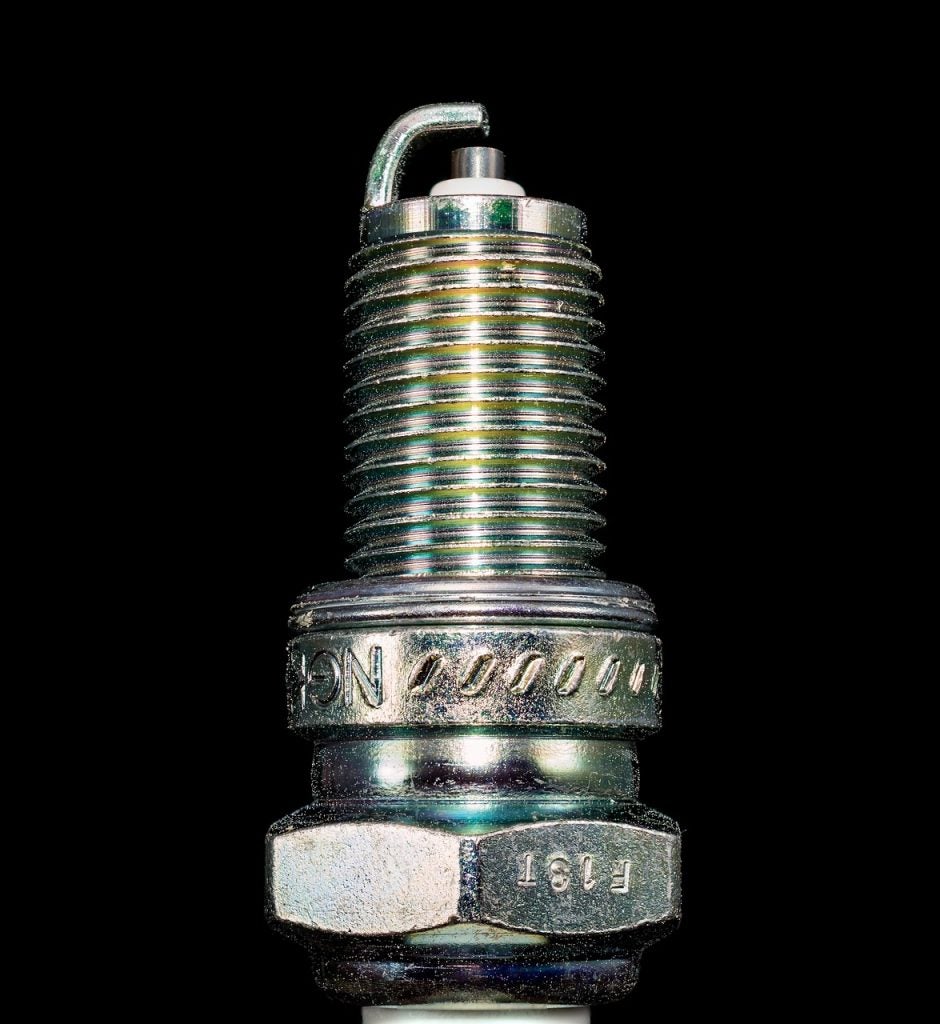
Spark plugs are a crucial part of your car. Without them, your engine wouldn't even start. The duration of a spark plug typically depends on the type of plug you're using. It's a good idea for every driver to also know the warning signs of a prematurely worn-out plug. That way, you can have any problematic plugs promptly repaired or replaced at your local Toyota dealership. Copper Plugs The most common type of plugs are made from copper, which is highly conductive but slightly softer and less durable than other types of material. Copper plugs tend to last about 20,000 miles, which is about one and a half years for most drivers. more Platinum Plugs A tougher and much longer-lasting metal used for plugs is platinum, which is slightly less conductive than copper but much more heat-resistant. Platinum plugs usually last for 60,000 miles or more, which will be about four or five years for most drivers. Iridium Plugs The strongest and best-performing plugs out there are made from iridium: a highly durable metal that allows for both excellent lifespan and conductivity. You can expect your iridium plugs to last for over 100,000 miles, which is usually more than seven years on the road. Signs of a Prematurely Worn-Out Spark Plug Sometimes heat damage, burned-out electrodes, cracked casing, incorrect installation, or fouling from carbon deposits can cause a spark plug to prematurely fail. If one or more of your plugs runs into trouble, the engine's cylinders will start misfiring. This causes the engine to sputter and shudder alarmingly, especially when you're driving more slowly or resting in idle. If the plugs are really struggling, a misfiring engine can even stall. When plugs begin to fail, you'll also notice a drop in engine power. Acceleration will become sluggish, making it hard to find a quick burst of speed. Your gas mileage will also plummet as fuel is being burned less efficiently. Misfiring plugs also cause an excess of fuel to build up inside the combustion chambers. This excess fuel can leak into the exhaust system, where it might ignite or escape from the tailpipe in the form of black smoke. Have Each Spark Plug Inspected at Your Local Toyota Dealership When you take your vehicle to your local dealership for routine servicing, the technician can remove and inspect the condition of each spark plug in turn. If you're already experiencing misfiring, the technician can diagnose and repair the underlying cause, which might originate from any number of engine components. Have every spark plug in your car's engine checked, cleaned, repaired, or replaced today at Toyota of Kingsport. We're an award-winning family-owned dealership offering top-notch cars and customer service to everyone who steps foot through our doors.
3 Signs Your Toyota Needs New Brake Pads

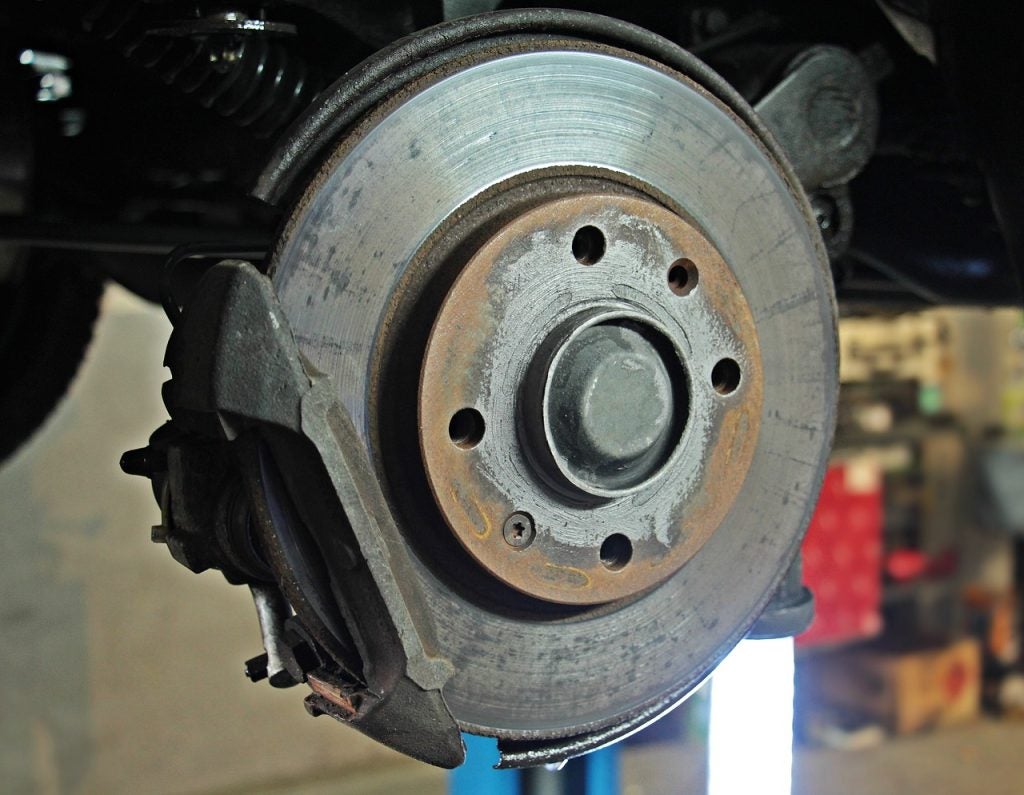
​​​​​​​​​​​​​​​​Brake pads are an important part of your Toyota's braking system. They generate the friction that brings your car to a stop. These pads wear down over time and will eventually need replacement. As your Toyota dealer, we want you to know some of the signs that you need to visit us for new pads. Screeching Brakes A set of pads fits into each caliper, and a caliper is positioned above each of your wheel rotors. When you hit the brakes, the calipers clamp on either side of the wheel rotors. The pads generate friction against the smooth wheel rotors, and this action brings the rotors to a stop. Each time you apply the brakes, tiny parts of the pads fleck off. When a pad's friction material covering has worn down, a tiny metal spike will become visible. This spike will scratch against the rotor surface and produce a loud screeching noise. The spike won't damage the rotor, but it serves as a loud reminder that it's time to change your pads. Our technicians can quickly and easily replace them for you. more Grinding Brakes A harsh metallic grinding noise is a sign of trouble. As we saw above, the friction material covering slowly wears down. Screeching noises are a sign that the covering has worn down sufficiently to need replacement. If the pad isn't replaced, the material covering will continue to wear off. Once the material covering has gone, only the bare metal of the pad will remain. The next time you apply your brakes, the metal pad will gouge into the softer metal of the rotor and produce grinding noises. Parts of the metal pad can also scour rings in the rotor surface. If this happens, your pads need to be replaced immediately before they cause further damage. We'll also examine your rotors and resurface them if necessary. Glazed Pads Glazed pads are caused by the pads being in contact with moving rotors for an extended period. This can happen if you regularly need to ride your brakes, for example, by driving downhill. When the rough friction material of the pads is held against the smooth rotor surface, a pad will develop a smooth, glass-like exterior. A glazed pad can't generate any friction, and the lack of friction means the affected brake won't work. When you hit the brakes, your car can veer toward the side opposite to the glazed pad. This happens because the pad prevents the brake from working. We'll examine your pads and replace any glazed ones. Pads are quick and easy to replace, and new pads reduce wear and tear on your braking system. Call our service department today at Toyota of Kingsport.

What's Covered Under Toyota's Standard New Car Warranty?

If a part is covered by your new car warranty, then you will be able to save hundreds of dollars at your Toyota dealer if a major component needs to be replaced or repaired. Learn more about the coverage limitations and exclusions of your new vehicle warranty. Four warranties come with a new Toyota vehicle. Basic Coverage is a limited bumper-to-bumper warranty plan that lasts for 36 months or up to 36,000 miles. This warranty will cover the cost of repairs for defective parts, materials, and workmanship, but it will not cover normal wear and tear or routine maintenance. Powertrain Coverage lasts for 60 months or 60,000 miles and covers parts such as the engine, transmission, and drivetrain. Rust-Through Coverage lasts for 60 months and covers corrosion perforation, such as corrosion on the sheet metal of your vehicle's body. Your new Toyota may also have Emissions Coverage, which is determined by federal and local regulations. more Is Wear and Tear Covered? It's common for a new vehicle warranty or an extended warranty to exclude the repair costs of components that need to be replaced through normal wear and tear. Several parts of your vehicle need to be continually replaced, such as windshield wiper blades and brake pads. Your warranty will not cover cosmetic wear and tear damage or the costs of routine maintenance like oil changes, either. As a note, your warranty will also not likely cover the cost of vehicle repairs after an accident. If a covered part is damaged as the result of an accident or environmental damage, you will need to rely on your auto insurance for repair costs. Are Accessories Covered? If you have a factory-installed accessory or an accessory purchased and installed at the dealership at the time of purchase, then these genuine Toyota accessories will be covered for 36 months or 36,000 miles. This warranty starts from the first day of the vehicle's in-service date. If you purchase a genuine Toyota accessory at any other time, then the accessory will have a warranty period of 12 months starting from the day the accessory was installed. The accessory may also be covered by the remainder of your limited vehicle warranty if this warranty provides better coverage. Ask Your Toyota Dealer: Does Your Hybrid Have a Warranty? Hybrid and plug-in hybrid motors are more common for today's vehicles. If you buy a hybrid Toyota, you will need to be aware of the special hybrid-related component warranty. In addition to the standard new vehicle warranty coverages, your hybrid-related components like the battery will also be covered for eight years or 100,000 miles. If you have a hybrid produced after the 2020 model year, your warranty may be for 10 years or 150,000 miles. A warranty is a great resource to save on the cost of expensive vehicle repairs. To discuss your warranty coverage in detail, contact Toyota of Kingsport.

Car maintenance tips

5 Car Maintenance Tips to Keep Your Toyota in Top Shape

We get it. You're busy. Between work, family, and the many other obligations you have, life is hectic. Sometimes it's easy to let car maintenance slide, but staying on top of the recommended services for your vehicle will keep it in tip-top shape, and your local Toyota dealership can help. 1. Stick to a Regular Schedule of Oil Changes Regularly changing the oil in your car is an easy way of keeping it in good condition. Clean oil lubricates the engine and keeps it working efficiently. Conventional wisdom is to schedule an oil change every 3,000 miles, but if you're using synthetic oil you can go for longer intervals. more Each time you take your car in for an oil change, the mechanic will inspect the vehicle, replenish any automotive fluids that are low, and alert you to any emerging problems. So the oil change appointment also serves as a general wellness visit for your vehicle. 2. Check Your Tire Pressure Keeping your tires inflated to the proper pressure offers a host of benefits. It ensures that your vehicle is burning fuel efficiently and that your tires are wearing evenly. Tires that wear unevenly are unsafe to drive on and can strain the vehicle's suspension, brakes, and other automotive systems. In addition to monitoring your tire pressure, you should have the tires rotated at regular intervals. 3. Read Your Owner's Manual It may not be the most exciting thing you ever read, but your vehicle's owner's manual is a great resource for maintaining your vehicle. This manual spells out when manufacturer-recommended services should be scheduled. It also contains information on what type of gasoline and motor oil should be used, and how to diagnose vehicular problems. Every Toyota model is a little different, so your owner's manual is the best way to understand your vehicle. 4. Use the Right Octane Some drivers are tempted to use a higher octane fuel with the theory that more is better. But sticking with the octane that your car was designed to run on keeps it functioning at optimum efficiency. 5. Visually Inspect Your Car Take a few minutes every once in a while to look at your car, noting anything about the exterior that needs to be addressed. Are there cracks in the windshield? Are the tires fully inflated? Are your headlights emitting bright, clear beams of light? Small maintenance concerns can grow into big ones if they aren't addressed, so it's important to pay attention to the parts of your vehicle that need repair. Maintaining your vehicle doesn't have to be difficult. Following a few simple tips will keep your car, truck, or SUV on the road for years to come. When you're ready to schedule your next service appointment, call Toyota of Kingsport.

How Long Has It Been Since Your Toyota Had an Oil Change?

Modern synthetic motor oil performs several vital functions, including lubricating moving engine parts, reducing friction and wear, cleaning out debris, dirt, contaminants, and deposits, keeping the temperature down, maintaining hydraulic pressure, and more. If you allow your oil to grow too old and degraded, you're putting your engine at risk in multiple ways. With this in mind, let's look at how often you should visit your local Toyota dealership for a routine oil change. Change Your Oil At Least Every Six Months For the average driver, synthetic motor oil will usually stay in good working condition for 5,000 to 7,500 miles. This usually works out to about six months of driving. If you're on the road much more than most drivers, consider having your oil refreshed more frequently than this. more Keep Your Warranty Valid By Changing Oil Often If you have a valid powertrain warranty, it's wise to change your oil as regularly as the warranty stipulates. This provides you with the reassurance that your engine is covered in the unlikely event of a serious malfunction. Consider the Severity of Your Driving Conditions When a car's engine and motor oil are put under excess pressure by tougher, more severe driving conditions, the oil wears down faster and needs to be replaced more frequently. Severe conditions might include regular short drives of under five miles; these short trips don't give the oil enough time to properly warm up and lubricate, thereby causing additional wear and tear. Signs That You've Already Left It Too Long If you're unsure how long ago you last changed your oil, you can use the dipstick to check the condition of the oil's condition. New motor oil is amber and translucent. As the oil ages, it becomes thicker and dirtier, so if you can't see the dipstick through the oil, it's probably time to have it changed. A few more warning signs include strange scraping or knocking sounds from the engine as friction rises, dropping engine power, and dark smoke emitting from the tailpipe. Degraded oil is also likely to cause your dashboard's check engine light to come on. Schedule Routine Servicing at Your Toyota Dealership The best way to stay up-to-date with your oil servicing visits is to schedule them at your local dealership. The technicians can judge how severe your typical driving conditions are, set up a suitable schedule, and send you reminders whenever the arranged date is approaching. Visit Toyota of Kingsport today to have your oil refreshed by qualified professionals. We're a local award-winning, family-owned dealership that's been providing the drivers of greater Kingsport with top-notch vehicles and customer service since 1978.

6 Signs Your Toyota Needs a New Muffler

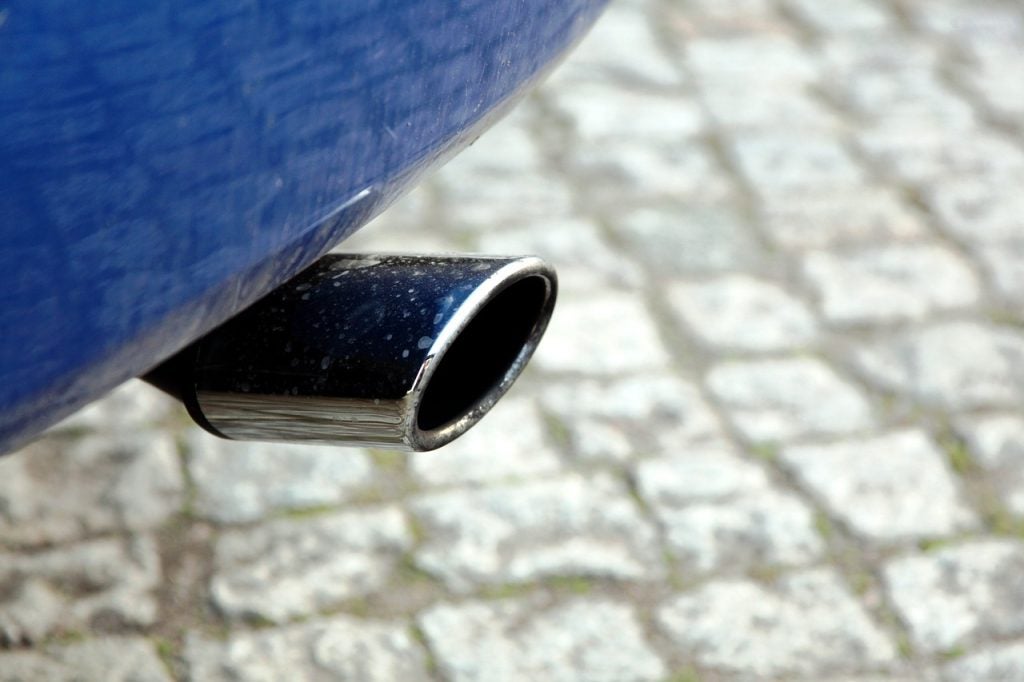
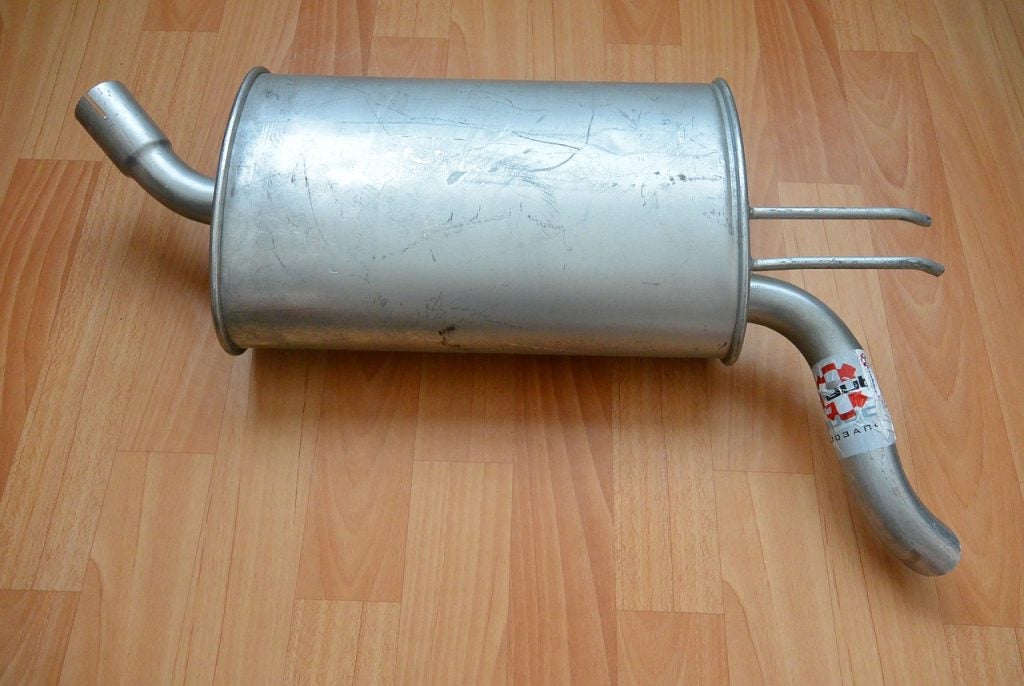
Mufflers ensure the quiet operation of your Nissan and direct exhaust gases safely away. Understanding the signs that you need a new muffler from your Toyota dealership will help you preserve the longevity and performance of your car. Unusual Noises From the Rear If your Toyota begins to make roaring or rumbling sounds, especially when you accelerate, it's a clear indication that there's an issue with your muffler. Over time, the internal parts of a muffler can wear out or become damaged, leading to these louder sounds. It's always best to take it to a professional when you notice these noises to prevent potential exhaust system failure. more Decreased Fuel Efficiency A damaged or failing muffler can lead to a decrease in your Toyota's fuel efficiency. If you've noticed that you're making more frequent trips to the gas station despite no significant change in your driving habits, your muffler might be the culprit. An inefficient exhaust system can actually be holding back your whole engine, leading to increased fuel consumption. Bad Odors The primary function of the muffler is to redirect exhaust gases away from your vehicle. A compromised muffler may fail to do this efficiently, leading to an accumulation of these gases. If you start to smell a strong, unpleasant odor while driving or when your car is idling, it's a sign that these gases are not being properly vented. This is more than just a nuisance; prolonged inhalation of exhaust fumes can be very harmful to your health. Visible Damage or Rust It's always good practice to occasionally inspect your Toyota's undercarriage. If you see visible holes, rust, or any other form of damage to your muffler, it's time to consider a replacement. Rust and corrosion can eat away at the metal, causing structural issues that can lead to the muffler's failure. Excessive Condensation From the Exhaust Pipe While some condensation from your exhaust pipe is normal, especially in colder weather, excessive water dripping can be a sign that your muffler is not functioning properly. Over time, internal rust can form due to this moisture, too, leading to potential muffler failure. Vibrations If you feel unusual vibrations in your vehicle, especially around the steering wheel or foot pedals, it might be linked to a problem with your muffler. This can be caused by holes or cracks in your exhaust system. At Toyota of Kingsport, we're dedicated to making sure your Toyota always gives you the performance you've come to expect. If you notice of these signs of a failing muffler, don't wait. Contact the Toyota of Kingsport service center right away.

Toyota new muffler

6 Signs Your Toyota Needs a New Muffler

Mufflers ensure the quiet operation of your Nissan and direct exhaust gases safely away. Understanding the signs that you need a new muffler from your Toyota dealership will help you preserve the longevity and performance of your car. Unusual Noises From the Rear If your Toyota begins to make roaring or rumbling sounds, especially when you accelerate, it's a clear indication that there's an issue with your muffler. Over time, the internal parts of a muffler can wear out or become damaged, leading to these louder sounds. It's always best to take it to a professional when you notice these noises to prevent potential exhaust system failure. more Decreased Fuel Efficiency A damaged or failing muffler can lead to a decrease in your Toyota's fuel efficiency. If you've noticed that you're making more frequent trips to the gas station despite no significant change in your driving habits, your muffler might be the culprit. An inefficient exhaust system can actually be holding back your whole engine, leading to increased fuel consumption. Bad Odors The primary function of the muffler is to redirect exhaust gases away from your vehicle. A compromised muffler may fail to do this efficiently, leading to an accumulation of these gases. If you start to smell a strong, unpleasant odor while driving or when your car is idling, it's a sign that these gases are not being properly vented. This is more than just a nuisance; prolonged inhalation of exhaust fumes can be very harmful to your health. Visible Damage or Rust It's always good practice to occasionally inspect your Toyota's undercarriage. If you see visible holes, rust, or any other form of damage to your muffler, it's time to consider a replacement. Rust and corrosion can eat away at the metal, causing structural issues that can lead to the muffler's failure. Excessive Condensation From the Exhaust Pipe While some condensation from your exhaust pipe is normal, especially in colder weather, excessive water dripping can be a sign that your muffler is not functioning properly. Over time, internal rust can form due to this moisture, too, leading to potential muffler failure. Vibrations If you feel unusual vibrations in your vehicle, especially around the steering wheel or foot pedals, it might be linked to a problem with your muffler. This can be caused by holes or cracks in your exhaust system. At Toyota of Kingsport, we're dedicated to making sure your Toyota always gives you the performance you've come to expect. If you notice of these signs of a failing muffler, don't wait. Contact the Toyota of Kingsport service center right away.

Electrical problems

5 Electrical Problems You Should Always Fix at Your Toyota Dealer

Toyota has a well-earned reputation for reliability and performance. However, despite the brand's reliability, electrical problems can sneak up on you when you least expect them. When this happens, the last thing you should think about is attempting DIY repairs. Let's look at some electrical issues you should only trust your Toyota dealer to fix. 1. Faulty Alternator If your Toyota is showing signs like dimming headlights when idling, a dead battery even when charging, or a battery warning light, it has a faulty alternator. A defective alternator can completely drain your battery and leave you stranded by the roadside. If you suspect your car has a faulty alternator, visit your dealer for a diagnosis. The certified technicians will inspect your charging system and install a new OEM alternator to restore your Toyota's performance. more 2. Worn Spark Plugs Worn spark plugs can cause hard starting, poor acceleration, and reduced fuel economy in your vehicle. You should replace your Toyota's spark plugs every 30,000 miles to ensure optimal ignition and combustion. If your vehicle has worn spark plugs, don't attempt DIY repairs, as they can worsen the problem. Your dealer has access to the factory spark plug specs for your model's engine. They will order new OEM spark plugs and install them precisely to ensure optimal engine performance. This will not only ensure a smooth ride but also boost your vehicle's fuel economy. 3. Corroded Battery Cables Battery cables tend to corrode over time due to exposure to moisture, dirt, and corrosive chemicals. If your Toyota has worn battery cables, you will notice issues like difficulty starting, flickering lights, and an undercharged battery. These issues can be detrimental to your car's electrical system, so they should be fixed immediately. Schedule service at your local dealership, so your dealer can replace the deteriorated battery cables. 4. Faulty Electrical Wiring The electrical wiring in your Toyota can become damaged from moisture, vibrations, or general wear and tear. Signs of electrical wiring problems include flickering dash lights, malfunctioning power locks, or even electrical fires in serious cases. Since the car's wiring is hidden within insulation and conduits, it is difficult to inspect and replace without expert help. Your dealer's technicians have the right tools and expertise to inspect the wiring and isolate shorts and degraded connections. They will replace worn wiring and electrical fuses to restore the performance of your Toyota's electrical components. 5. ECU Problems The engine control unit (ECU) is the complex computer that controls your engine's systems. Glitches in the ECU can cause poor engine performance, stalling, and error codes. Your dealer's certified technicians have the factory tools and software to diagnose ECU issues accurately. They can accurately pinpoint and fix ECU issues to restore smooth engine performance. Catching electrical issues quickly can prevent expensive breakdowns and repairs down the road. So bring your car in for repairs as soon as you notice these problems. Contact us today at Toyota of Kingsport to schedule repairs with our certified technicians.

faulty ignition coil

How to Recognize the Signs of a Faulty Ignition Coil

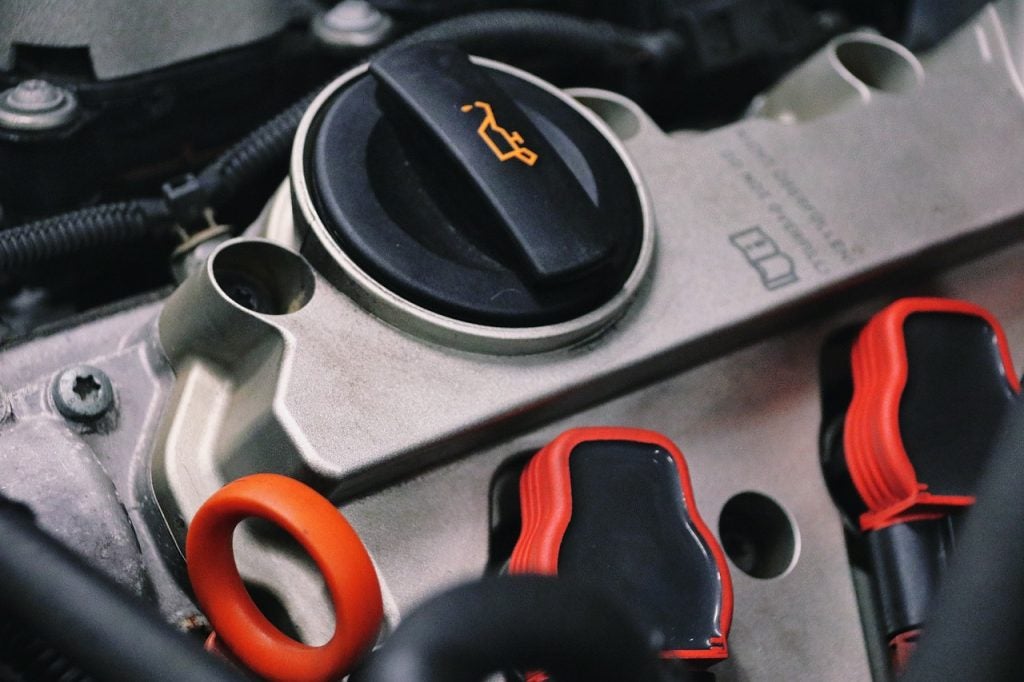
The ignition coil, or spark coil, is like the unsung hero behind your Toyota's smooth ride and great performance. This nifty little device is what sparks life into your engine, converting battery voltage into a high-voltage spark that ignites fuel in the engine. If your car has a faulty ignition coil, you should visit your Toyota dealer immediately for repairs. Misfiring Engine When the spark coil is faulty, it can fail to deliver the necessary electric charge to the spark plugs. This can cause the engine to misfire, creating a noticeable jerk in the car's operation. If you experience frequent engine misfires, it's a wise idea to have your ignition inspected to avoid further issues. more Loss of Power During Acceleration The ignition's main job is to supply the high voltage needed to ignite the air-fuel mixture in the engine. If the coil is faulty, it might not provide enough voltage, resulting in a weak spark. As a result, the fuel fails to ignite properly, which reduces the engine's power output. A loss of power can cause the car to feel sluggish or less responsive, especially when accelerating or going up a hill. If you find yourself flooring the gas pedal, but your Toyota isn't picking up speed, you should replace the faulty ignition. Car Won't Start or Stalls If the coil isn't providing enough voltage to cause a spark, the vehicle won't start. If the spark coil isn't providing enough power to keep the engine running smoothly, the car will stall when idling or running at low speeds. Replace the coils immediately to avoid being stuck by the roadside if the car fails to start. Decreased Fuel Efficiency When your Toyota's ignition starts to fail, it can disrupt the optimal air-fuel mixture in the engine. This causes the engine to burn more fuel than it should, lowering the car's fuel efficiency. If your car is consuming more fuel despite no change in your driving habits, check and replace the faulty spark coil. Sputtering or Popping Sounds The inadequate spark caused by a faulty ignition module can lead to incomplete combustion in the engine. This can cause your engine to produce sputtering or popping sounds. If unburned fuel escapes from the engine and ignites in the exhaust system, it can produce a loud, startling bang. Check Engine Light Comes On The check engine light can indicate many issues, including a faulty spark coil. If the light is on and you are noticing other signs like loss of power and misfires, it might be the coil waving a red flag. The light should go off once you get a new spark coil. If you don't fix your faulty spark coil, it can cause significant damage to your engine. If you notice any of these signs, contact us at Toyota of Kingsport to schedule immediate repairs.

Catalytic Converter Service in Kingsport, TN - Toyota of Kingsport

Signs Your Toyota Needs a New Catalytic Converter

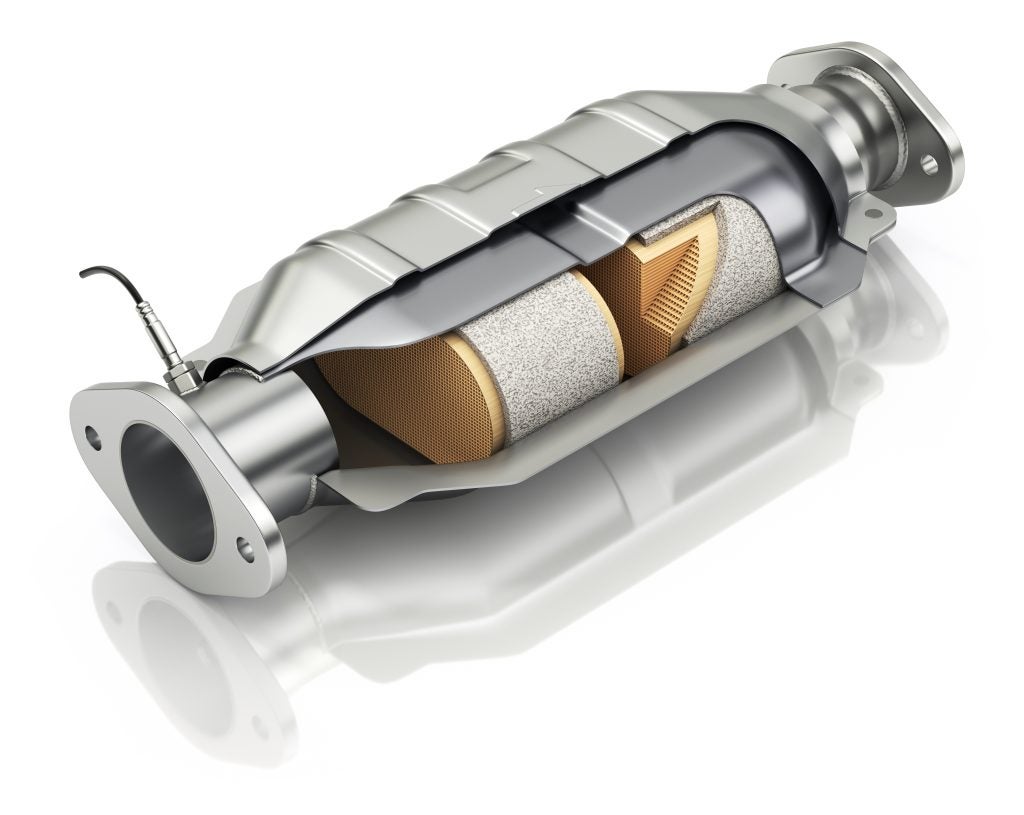
A catalytic converter is attached to almost every vehicle in the US. Their purpose is to remove dangerous and toxic gases from the exhaust byproducts. Converting these gases helps to remove 99% of pollution from the exhaust smoke. A converter can become clogged or damaged, but Toyota of Kingsport in Kingsport, TN can fix it for you. These are signs that your converter could have a problem. more Black Exhaust Smoke Normal exhaust smoke is almost invisible and has a relatively mild scent. If your engine starts to produce black smoke that smells like rotten eggs, your converter has been damaged. When combustion occurs in a cylinder, the cylinder should open to release the residue. These gases are directed into the converter where they're changed into less harmful compounds. If the converter isn't working, the gases will pass straight through the converter and exit the exhaust. Since black smoke contains toxic chemicals, you can receive a citation for atmospheric pollution. Our technicians will need to examine the converter, and we can install a new one if the original is damaged. Once the converter is working correctly, the black smoke will disappear. The Converter Is Blue You can examine your converter by looking underneath your car. The converter is attached to the exhaust system, and it's easily noticeable. Your converter has a brighter and shinier appearance than the rest of the exhaust system. If you examine your converter and the metal has a blue tinge, the converter could have burnt out. A converter operates at a very high temperature. This is essential, as the conversion of the gases requires high temperature and high pressure. A problem in the engine, for example, a fuel-rich environment, will cause the converter's temperature to rise above its safety level. This can cause the converter to overheat and burn out. We'll examine your converter and replace it to fix this problem. Broken Honeycomb The inside of a converter has a honeycomb configuration. The honeycomb provides a large surface area for converting the engine gases. Over time, the heat and high pressure can cause cracks to form in the structure. These cracks will widen, and pieces of the honeycomb will break off. This damage affects the converter's ability to do its job. The broken pieces will move around inside the converter as you drive, and they will cause additional damage to the structure. As the honeycomb fails, the conversion process will start to suffer. Our technicians will need to examine your converter to confirm the problem. If the honeycomb is damaged, we'll need to install a new converter. If you suspect you have a converter problem, schedule an appointment at Toyota of Kingsport's Toyota Service Center as soon as you can so our dedicated team of advisors can diagnose and resolve it for you.

Toyota Headlight Service in Kingsport, TN - Toyota of Kingsport

How to Tell When Your Toyota Needs New Headlights

If you want to be safe while you're behind the wheel, then being able to see should be at the top of your list. The lights on your vehicle are essential components when it comes to keeping yourself and others protected while on the road. Knowing whether you need new headlights means looking for the signs, then taking your vehicle to our local Toyota dealer in Kingsport, TN for necessary repairs. more The Lights Are Dead The most obvious sign that you need new lights on your car is that they'll be dead. More often than not, these lights don't burn out at the same time, so you'll probably notice that one isn't working. However, getting them both replaced at the same time is a good idea. If one has burned out, it won't be long before the second one follows suit. You can save yourself time and money by having them both fixed at the same time. The Lights Are Dim One of the most common signs that will let you know you need to get new lights is you'll notice that they are dim. This is an indicator that they are getting old and could potentially burn out soon. To ensure you can still see, taking your vehicle to a professional is in your best interest. The Lights Are Hazy In addition to being dim, another sign that you may need to replace your lights is that they look hazy. It's possible that this haze comes from dirt, salt, or other road grime coating your light covers, but if your lights still have a yellowish haze after cleaning them, it's time to make an appointment with a professional. The Lights Flicker Another sign that will let you know it's time to get new lights in your Toyota is that you may notice them flickering. This could be an indicator that they are about to burn out or that there is a bad electrical connection or another issue. No matter the cause, flickering lights mean you need to get your car serviced as soon as possible. The High Beams Don't Work If you notice that your lights are on but you can't turn on your high beams, this is another indicator that you need to get your lights replaced. Typically, a burned-out bulb is the culprit, but being unable to use your high beams could also be a result of a blown fuse. A professional will be able to quickly diagnose and fix the problem. Having working lights on your car is essential for safe driving. If you've noticed any of the signs you need new lights or for other service needs, take the time to schedule an appointment at Toyota of Kingsport's Toyota Service Center today!

Battery Service in Kingsport, TN - Toyota of Kingsport

7 Signs Your Toyota Needs a New Car Battery

Have you ever tried to get your vehicle to start, but the engine just clicks away without firing up? There are lots of reasons you might experience something like this, and one of those reasons is a faulty battery. You need to replace your battery every 3-4 years, but sometimes you might need a new battery sooner. The signs below will let you know when it's time to get a new car battery from our local Toyota dealer in Kingsport, TN. more Your Last Replacement Was Three Years Ago When was the last time you replaced your car battery? If it was three years ago, then it's time to replace your battery again. Sometimes there'll be nothing wrong with your battery, but it's just time to get a new one. You're likely replacing your battery in the nick of time. It won't be long before the signs that something is wrong start showing up if you don't replace the battery. Your Headlights Are Dim Are your headlights dimmer than usual? That may be a sign that your battery is losing momentum. This could also be an alternator issue, but it's best to get both the battery and the alternator checked out when you're having issues with your headlights. You've Needed a Few Jumpstarts Lately Sometimes your battery just needs a little boost. Maybe your Toyota got too cold, and it rendered your battery flat. However, if you've needed more jumpstarts than usual lately, then it's a sign that it's time to replace that battery. Needing frequent jumpstarts isn't normal. Your Engine is Taking Too Long to Turn Over You know how long it usually takes for your engine to turn over, so it's easy to notice when it's suddenly taking its time doing it. This can sometimes happen due to a problem with your engine, but it's a sign of a malfunctioning battery, too. Be sure to get your vehicle fully checked over, and you need to get to the bottom of the issue. Your Battery Case Is Misshapen Is your battery cracked, bulging, or leaking? Your battery should never have visual problems such as those, so you need to get that battery replaced ASAP. Your battery should be a uniform size and shape, and it should be blemish-free. Your Connectors Are Corroded If the metal parts of your battery are covered in an ashy, white substance, then your connectors are corroding. This will lead to problems with the battery's voltage, so it's time to get the battery replaced before you start having issues when starting your vehicle. You Smell Something Foul If there's a sulfur-like or rotten egg odor when you pop the hood of your Toyota, then your battery may be leaking gas. This is usually caused by physical damage to your battery, and internal shorts in the battery can also create the issue. You need to get your battery checked over now. Is it time to replace your car battery? Schedule a service appointment at Toyota of Kingsport today, and our team of advisors will install a brand new battery for your new or used Toyota vehicle! Image via DealerOn

Contact Us

Fill out this form below and we'll contact you shortly
*Required Fields