

Blog / Fuel Efficient

The 4 Most Fuel Efficient Toyota Vehicles

Shopping around for a fuel-efficient vehicle is a smart choice. With gas prices in a constant state of flux, you never know when they're going to shoot through the roof and make it difficult to afford filling up at the pump. Thanks to Toyota's innovative technologies, the automaker is offering an impressive lineup of fuel-efficient cars that make life a little easier on your wallet.

1. 2016 Toyota Corolla

America's favorite car, the Corolla has a longstanding tradition of quality and value. Thanks to recent updates, the 2016 incarnation of this sporty sedan boasts a max estimate of 42 miles to the gallon on the highway. That's an impressive feat for a car of this size and style! Even the city estimate is great at 30 miles per gallon, making the Corolla the perfect car for the daily commute. The Corolla starts at just $17,230 and features user-friendly controls, generous legroom, and an impressive list of standard equipment that make it a worthwhile investment.

2. 2016 Toyota Yaris

The compact hatchback of the lineup, the 2016 Yaris is the perfect size for urban driving. Its 1.5-liter four-cylinder automatic gets an impressive 33 miles per gallon in the city and 42 on the highway, which translates to a combined mpg of 37. The car is also affordable, starting at just $14,845. The 2016 Yaris is available as a three- or five-door hatchback that features Toyota's Entune infotainment system, available five-speed manual or four-speed automatic transmission, snappy styling, and an updated interior. When you need a small car that offers a little something of everything, the Yaris is a great option.

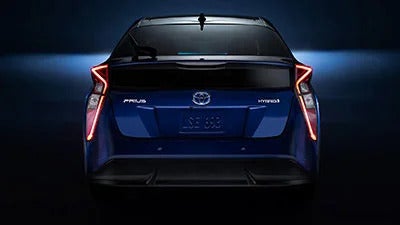
3. 2015 Toyota Prius

Debuting with a base price of $24,200, the 2015 Prius hatchback made a splash with its 48 mpg on the highway and 51 miles per gallon in the city. That's an outstanding 50 miles per gallon combined. The 2015 Prius offers a straightforward interior with a floating console, standard touchscreen, and optional E-tune system, but it's outfitted with numerous safety features that make it a solid choice for any driver. These include multiple airbags, including a driver knee airbag, rearview camera, traction and stability control, and antilock disc brakes. Other safety features such as Toyota's Safety Connect emergency communications system are optional.

4. 2016 Toyota Prius C

If you love the Prius but need something a little more budget-friendly, consider the 2016 Prius C. This sports car boasts 53 miles per gallon in the city and 46 on the highway. A major update from 2015 is Toyota's Safety Sense-C system, which includes lane-departure assist, a low-speed collision system, and automatic high beam assist. This system is available on the Prius C Three Deluxe Moonroof and Safety package, although it comes standard on the Prius C Four trim. There's even an exciting Persona Series that looks custom with its electric lime accents.

When you need to purchase the most fuel-efficient vehicle on the market, look no further than Toyota's offerings. There's bound to be a high-efficiency vehicle that suits your family's needs.

Image by Cristhian Adame from Pixabay 
Posted in:

Related Posts

4 Reasons The Toyota Prius Offers Best Fuel Economy

According to estimates from the Environmental Protection Agency (EPA), the 2016 Prius gets 54 mpg in the city and 50 mpg on the highway, making it one of the most fuel-efficient cars in the world. This spectacular fuel economy didn't happen by accident. Toyota spent years developing technology that would improve the popular hybrid vehicle's efficiency. If you're interested in buying a car with remarkable hybrid technology, you'll want to know these four reasons the Toyota Prius offers the best fuel economy. An Aerodynamic Shape That Reduces Drag When you compare the 2015 Prius to the 2016 version, you'll immediately notice that Toyota changed the exterior slightly. While the company probably wanted to maintain the Prius's iconic shape, it also wanted to make some tweaks that would reduce drag. Those subtle changes help improve fuel efficiency by letting the car slip easily through the air. The design works so well that the 2016 Prius gets about two miles per gallon more than the 2015 model. more What you may not notice is that the 2016 model is about 2.5 cm (about an inch) lower than the 2015 Prius. The company managed to do this thanks to its Toyota New Global Architecture technology. The result is a lower center of gravity that improves handling while also lowering the car's drag coefficient. A Lithium Ion Battery Lowers the Weight 2016 is the first time that Toyota decided to use a lithium ion battery instead of a nickel metal hydride battery. This was a smart choice since lithium ion batteries are smaller and weigh less. By lowering the weight, Toyota made it possible for the Prius to drive more miles without using more power. Lithium ion batteries cost a little more than nickel metal hydride designs, but the extra expense is worth it for drivers considered about saving money at the pump. A More Rigid Body Further Reduces Weight Toyota made major revisions to the Prius's electric motor, transaxle, and other crucial components to lower the weight even more. New welding techniques made it possible to give the new Prius a rigid body that some estimate is 60 percent better than the 2015 version. A Tweaked Powertrain Improves Thermal Efficiency As the parts in a car interact, they create friction. During the process, that friction turns into heat, which then becomes lost energy the vehicle can't use. Toyota made a lot of tweaks to the Prius's powertrain over the last year and managed to lower the amount of friction (and, therefore, the amount of energy lost through heat). All car manufacturers have made significant strides in thermal engineering technology over the last few decades. It's one of the reasons that today's cars tend to get better mileage than their older cousins. Toyota, however, has really pushed this technology to a new level. The 2016 Toyota Prius proves that car manufacturers can build more efficient vehicles when they invest in new technologies. With some luck, Toyota's advances will convince other companies to take fuel efficiency more seriously in the coming years.

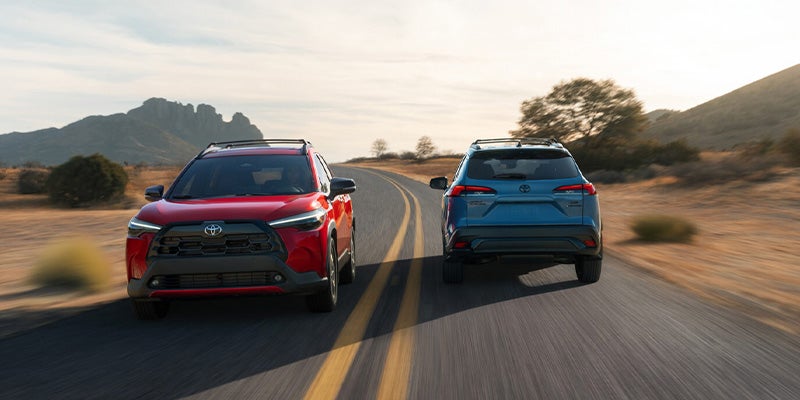
Toyota SUV parked near a rural landscape.

Toyota® RAV4 XLE Premium vs. SE: Similar Foundations, Different Personalities

The 2026 Toyota® RAV4 has become one of those rare SUVs that feels equally at home navigating weekday traffic as it does heading out for a weekend away. Its broad trim lineup is part of the appeal, giving buyers plenty of opportunities to match the vehicle to their lifestyle. If you've been asking what is the difference between Toyota® RAV4 XLE Premium and SE trim levels, you'll find the answer lies less in capability and more in character. more The SE Puts a Sportier Spin on Everyday Driving The RAV4 SE is aimed at drivers who appreciate a little extra visual energy without sacrificing practicality. Its styling is more assertive than the entry-level trims, giving the SUV a sharper, more athletic appearance while preserving the versatility that has made the RAV4 so popular. Inside, the cabin is modern and functional, anchored by a 12.3-inch touchscreen infotainment system and seating for 5. Toyota® Safety Sense™ comes standard, bringing a reassuring collection of driver-assistance technologies to every journey. For many buyers around Kingsport, TN, the SE strikes an appealing balance. It offers modern technology, confident road manners, and distinctive styling without venturing into premium territory. XLE Premium Focuses on Everyday Comfort The XLE Premium approaches the RAV4 from a different angle. Instead of emphasizing sport-inspired design, it concentrates on making every drive a little more comfortable. SofTex®-trimmed seating immediately gives the cabin a richer feel, while heated front seats and a power moonroof add welcome touches during both winter mornings and sunny afternoons. Improved interior materials contribute to an environment that feels more polished, particularly during longer trips. These aren't dramatic changes, but they are the sort of refinements owners tend to appreciate every day rather than occasionally. If you're exploring our Toyota® RAV4 inventory, the XLE Premium often appeals to buyers who want a little extra comfort without stepping into the highest trim levels. The Biggest Difference Is the Atmosphere Mechanically, these two trims have far more in common than they do differences. They share the same dependable RAV4 platform, similar technology, and Toyota's reputation for long-term reliability. The distinction comes from the experience inside the cabin. The SE feels slightly more youthful and design-focused, appealing to drivers who value a sportier aesthetic. The XLE Premium leans toward comfort, rewarding occupants with features that make daily commuting and family travel more relaxing. Neither approach is inherently better. It simply depends on which qualities you value most once you're behind the wheel. Safety and Technology Remain Consistent One advantage of the RAV4 lineup is that buyers don't have to climb through multiple trims to receive advanced safety technology. Both the XLE Premium and SE include Toyota® Safety Sense™, featuring systems such as the Pre-Collision System with Pedestrian Detection, Lane Departure Alert, Automatic High Beams, and additional driver-assistance technologies designed to support everyday driving. That means your decision can focus on comfort and styling rather than essential safety equipment. Compare the RAV4 XLE Premium and SE Near Kingsport, TN The Toyota® RAV4 XLE Premium and SE begin with the same dependable foundation but deliver two distinct ownership experiences. The SE adds a sportier personality and modern styling, while the XLE Premium introduces the thoughtful comfort upgrades that make every mile a little more enjoyable. Visit Toyota of Kingsport to compare both 2026 Toyota® RAV4 trims in person, explore current inventory, or schedule a test drive online. A closer look at each model is often the easiest way to discover which one feels right for the road ahead.

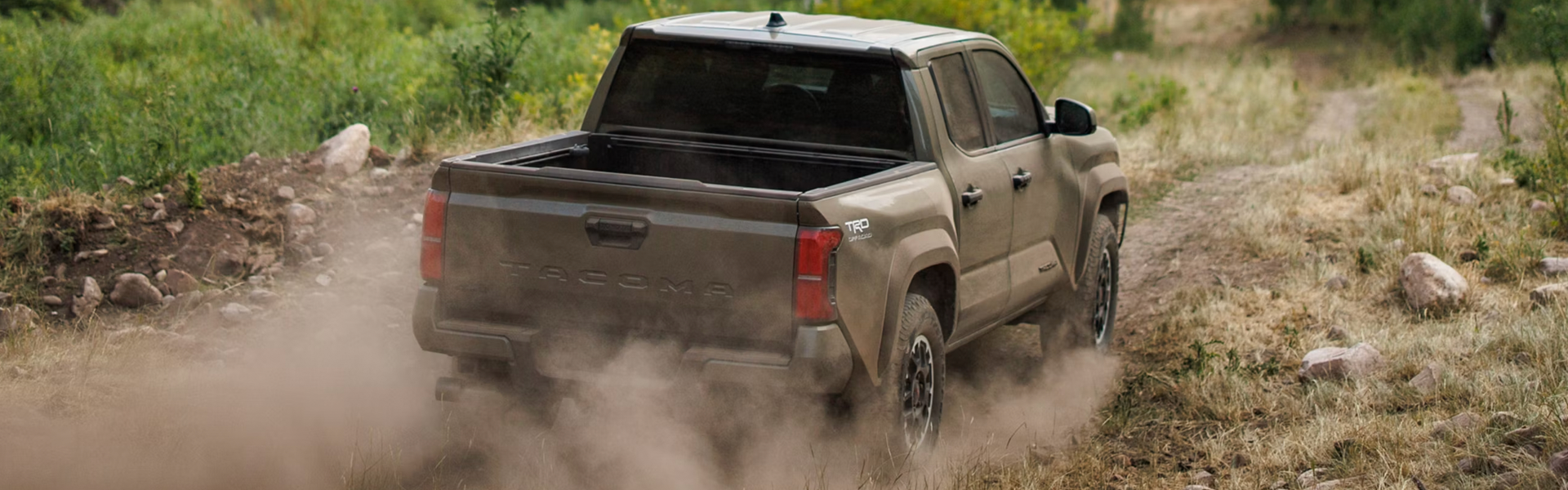
Toyota Tacoma TRD off-road pickup.

Toyota® Tacoma TRD Off-Road vs. TRD Sport: Which One Fits the Way You Drive?

The 2026 Toyota® Tacoma has one of the deepest trim lineups in the midsize truck segment, but two models seem to come up in almost every comparison: the TRD Sport and the TRD Off-Road. They share the same chassis, the same Turbocharged engine, and many of the same interior features, yet they're built with two very different drivers in mind. If you're trying to figure out what is the difference between Toyota® Tacoma TRD Off-Road and TRD Sport trim levels, it helps to start with a simple question: where do you spend most of your time driving? more TRD Sport Is Designed for the Daily Drive If your Tacoma will spend most of its life on highways, city streets, and county roads around Kingsport, the TRD Sport deserves a close look. Power comes from Toyota®'s i-FORCE 2.4L turbocharged 4-cylinder engine, producing up to 278 hp and 317 lbs. ft. of torque. It's responsive around town, has plenty of passing power on the highway, and gives the Tacoma the kind of performance buyers expect from a modern midsize truck. The biggest difference is the suspension. Toyota® gives the TRD Sport a sport-tuned setup that feels more composed on pavement, especially through curves and during everyday commuting. Add the distinctive hood scoop, 18-inch alloy wheels, and sport-inspired styling, and you have a truck that looks every bit as athletic as it feels. For drivers who occasionally pull a trailer, load up camping gear, or tackle gravel roads without making off-roading a hobby, the TRD Sport is often the better everyday choice. TRD Off-Road Is Built for What Happens After the Pavement Ends The TRD Off-Road takes the same capable platform and prepares it for rougher terrain. Bilstein® monotube shock absorbers improve control over uneven surfaces, while the electronic locking rear differential helps maintain traction when the trail gets challenging. Toyota® also includes Crawl Control and Multi-Terrain Select, allowing the truck to automatically adjust throttle response and braking based on conditions like mud, sand, rocks, or loose dirt. Instead of the Sport's larger street-oriented wheels, the TRD Off-Road rides on 16-inch alloy wheels wrapped in all-terrain tires. That combination provides more sidewall, better traction, and greater confidence when you're exploring trails or navigating rough access roads. If your weekends regularly involve campgrounds, hunting property, mountain trails, or backcountry roads, these aren't just nice features—they're features you'll use. The Suspension Tells the Whole Story Mechanically, these trucks have far more in common than they do differences. The engine, transmission, and overall capability are remarkably similar. The suspension tuning is what separates them. The TRD Sport emphasizes ride quality and confident handling on pavement. It feels planted during highway driving and responds well in everyday traffic. The TRD Off-Road sacrifices a bit of that on-road sharpness in exchange for greater suspension travel, improved articulation, and better performance when the surface becomes uneven. Ground clearance of approximately 9.4 to 11 inches, depending on configuration, also helps the Tacoma tackle obstacles that would challenge many midsize pickups. Neither setup is better than the other. They're simply optimized for different jobs. Technology Doesn't Force You to Compromise Toyota® didn't make buyers choose between capability and technology. Both trims offer a modern cabin with a standard 12.3-inch digital gauge cluster, an 8-inch multimedia touchscreen with an available larger display, advanced Toyota® Safety Sense™ features, and comfortable seating for daily driving or longer road trips. The differences inside are mostly trim-specific styling cues and badging rather than major equipment changes. That means your buying decision can stay focused on how you plan to use the truck instead of worrying about giving up the features you want. If you're also comparing Tacoma trims or researching Toyota® truck capability, exploring our entire new Toyota® Tacoma inventory can help you narrow your search even further. Compare Both Tacoma TRD Models Near Kingsport, TN The Toyota® Tacoma TRD Sport and TRD Off-Road share the same dependable platform, but they approach the road from different perspectives. The Sport rewards drivers who spend most of their time on pavement with sharper handling and athletic styling. The Off-Road brings the suspension, traction systems, and hardware needed for drivers who prefer the road less traveled. Visit Toyota of Kingsport to compare both 2026 Toyota® Tacoma trims side by side, explore available configurations, or schedule a test drive online. A few miles behind the wheel will quickly tell you which Tacoma belongs in your driveway.